Video 1
Video 2
Video 3
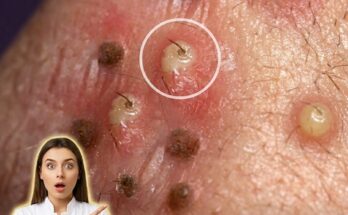
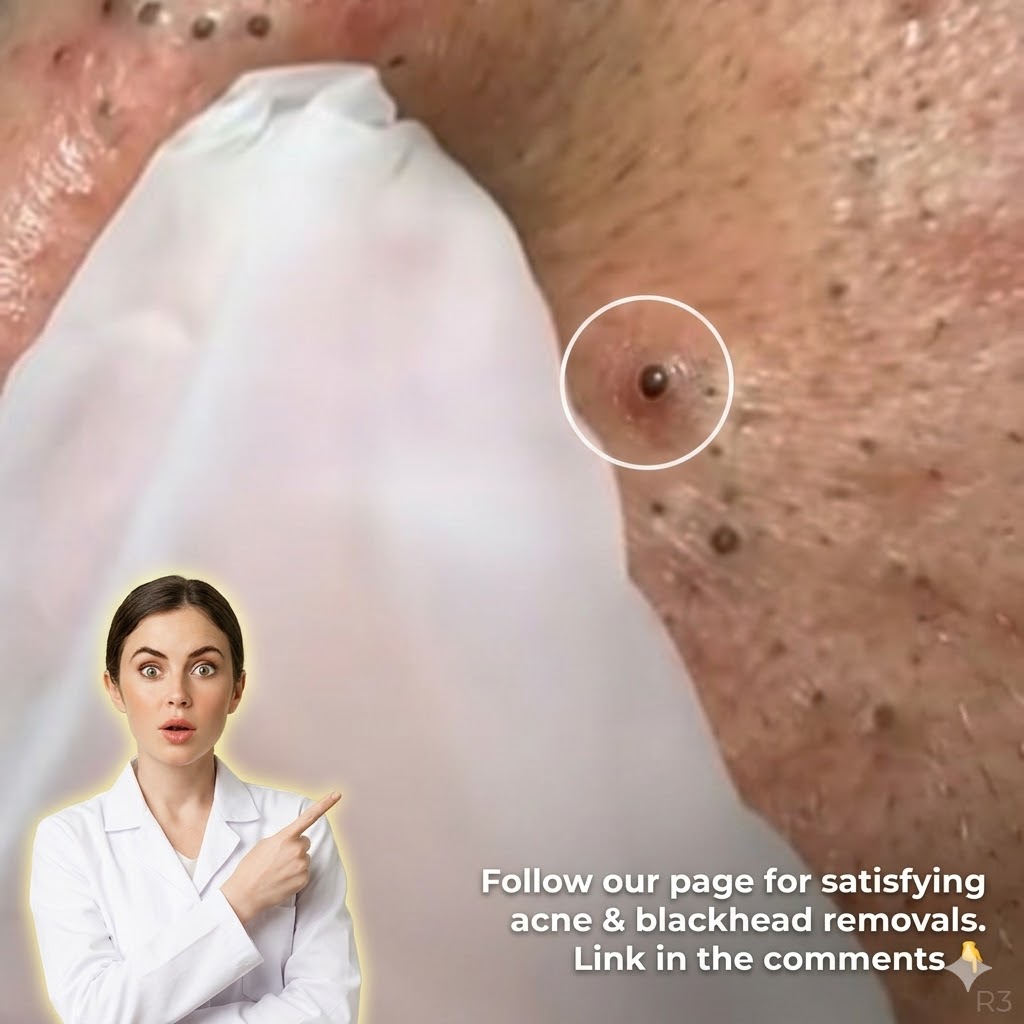
Gym habits can influence skin breakouts through several biological mechanisms that affect the pilosebaceous unit, where acne begins. During exercise, increased body temperature and sweating can stimulate sebum production, particularly in individuals with naturally oily skin. Excess sebum can mix with dead skin cells inside the follicle, contributing to clogged pores and the formation of comedones such as blackheads and whiteheads. In addition, prolonged moisture on the skin may soften the outer layer of the epidermis, making it easier for debris and bacteria to become trapped within pores, which can contribute to inflammation and acne lesions.
Beyond sweat itself, the physical environment and behaviors associated with gym routines can further influence breakouts. Tight or occlusive clothing, such as synthetic workout fabrics, may create friction and trap heat against the skin, a process often referred to as acne mechanica. This repeated pressure and rubbing can disrupt the skin barrier and promote follicular irritation, especially on the back, chest, and shoulders. Shared equipment and surfaces may also introduce bacteria onto the skin, and touching the face during workouts can transfer these microorganisms directly to areas prone to acne. Additionally, leaving sweat and oil on the skin for extended periods after exercise may increase the likelihood of pore congestion.
Hormonal responses to exercise can also play a role, although the relationship is complex. Physical activity can temporarily elevate certain hormones, including androgens, which are associated with increased sebum production. While regular exercise is generally beneficial for overall health and may help regulate long-term hormonal balance, acute fluctuations combined with other factors like occlusion and friction may contribute to breakouts in susceptible individuals. Post-workout skincare habits, including inadequate cleansing or the use of heavy, pore-clogging products, can further exacerbate these effects.
Managing gym-related acne typically involves addressing both environmental and skincare factors. Gentle cleansing after workouts may help remove sweat, oil, and debris before they contribute to clogged pores. Ingredients such as salicylic acid are commonly used to penetrate into pores and help dissolve excess sebum and dead skin cells, while benzoyl peroxide may help reduce acne-causing bacteria. Niacinamide is often recommended to support the skin barrier and reduce visible inflammation. Wearing breathable, moisture-wicking fabrics and avoiding prolonged contact with sweaty clothing may also help minimize friction and occlusion. For individuals experiencing persistent or widespread acne, topical retinoids or professional dermatological treatments may be considered to support cell turnover and prevent comedone formation.
It is important to recognize that not all individuals will experience breakouts from gym activity, and responses can vary based on genetics, skin type, and existing skincare routines. While exercise itself is not inherently harmful to the skin, certain habits surrounding workouts can contribute to acne development. Adjusting hygiene practices and using appropriate skincare ingredients may help reduce these effects over time. Persistent or severe acne should be evaluated by a qualified healthcare professional to ensure appropriate and safe treatment.