Chemistry is often viewed as a complicated and abstract science, but in reality, it plays a fundamental role in our everyday lives, shaping the materials we encounter regularly.
From the clothes we wear to the food we eat and the products we use in our homes, chemistry is the invisible thread that weaves through our daily existence.
By understanding how chemistry influences these materials, we can appreciate the intricate balance of nature and innovation that surrounds us.
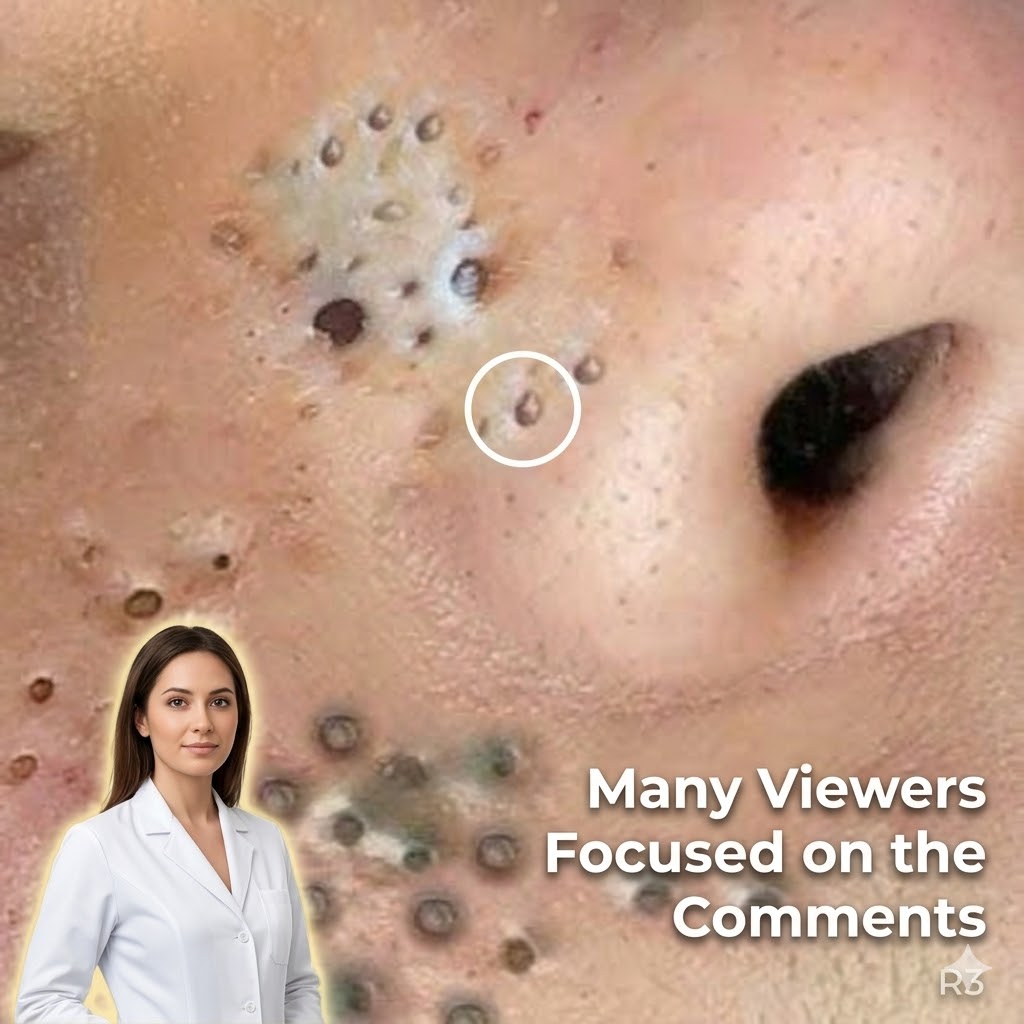
Beta hydroxy acids (BHAs) and alpha hydroxy acids (AHAs) are chemical exfoliating ingredients widely used in acne-focused skincare because they influence how dead skin cells shed from the surface of the skin and inside the pores. Acne commonly develops when excess sebum mixes with accumulated dead skin cells within the follicle, leading to clogged pores that form blackheads, whiteheads, and other acne lesions. Chemical exfoliants help loosen the bonds between these cells, which may support more regular skin cell turnover and reduce the buildup that contributes to comedonal acne. Understanding the differences between BHAs and AHAs is important because each works in a slightly different way within the skin. Beta hydroxy acids are oil-soluble exfoliants, which allows them to penetrate through sebum and enter the pore lining. The most widely used BHA in skincare is salicylic acid. Because it can travel into oil-filled follicles, salicylic acid is commonly used for oily skin, blackheads, and clogged pores. Inside the pore, it may help dissolve the mixture of sebum and keratinized cells that contribute to comedone formation. In addition to its exfoliating effects, salicylic acid also has mild anti-inflammatory properties, which can be beneficial for skin that experiences redness or irritation associated with acne lesions.
Alpha hydroxy acids, in contrast, are water-soluble exfoliating acids that primarily work on the surface layers of the skin. Common AHAs include glycolic acid, lactic acid, and mandelic acid. These ingredients help loosen the bonds between dead skin cells in the outermost layer of the epidermis, allowing them to shed more efficiently. This process may improve skin texture and brightness while reducing the buildup of dead cells that can contribute to clogged pores. While AHAs can indirectly help with acne by improving surface exfoliation, they generally do not penetrate as deeply into oily follicles as salicylic acid.
The choice between AHAs and BHAs often depends on individual skin characteristics and the dominant type of acne lesions present. People with oily skin and frequent blackheads or whiteheads may find BHAs particularly useful because of their ability to work inside pores where sebum accumulates. Individuals with rough skin texture, uneven tone, or post-acne dullness may benefit more from AHAs, which help refine the surface layer of the skin. Some skincare routines combine both types of exfoliating acids in carefully balanced formulations to address multiple aspects of acne development.
Other skincare ingredients are often used alongside hydroxy acids to support acne management. Retinoids, for example, help normalize follicular keratinization and may reduce the likelihood of clogged pores forming. Benzoyl peroxide is commonly used to target acne-causing bacteria and inflammatory lesions. Ingredients such as niacinamide may support the skin barrier and help regulate oil production, which can be beneficial for individuals with persistent breakouts. When used appropriately, hydroxy acids can complement these treatments by improving overall skin cell turnover.
Although chemical exfoliants can be helpful in acne-focused skincare routines, they should be introduced gradually to reduce the risk of irritation or over-exfoliation. Excessive use of exfoliating acids may disrupt the skin barrier, which can increase sensitivity and sometimes worsen breakouts. Starting with lower concentrations and applying sunscreen regularly is often recommended because exfoliating acids can increase sun sensitivity. For individuals with persistent, severe, or treatment-resistant acne, consultation with a qualified dermatologist can help determine the most appropriate combination of topical treatments and professional care.