Video 1
Video 2
Video 3
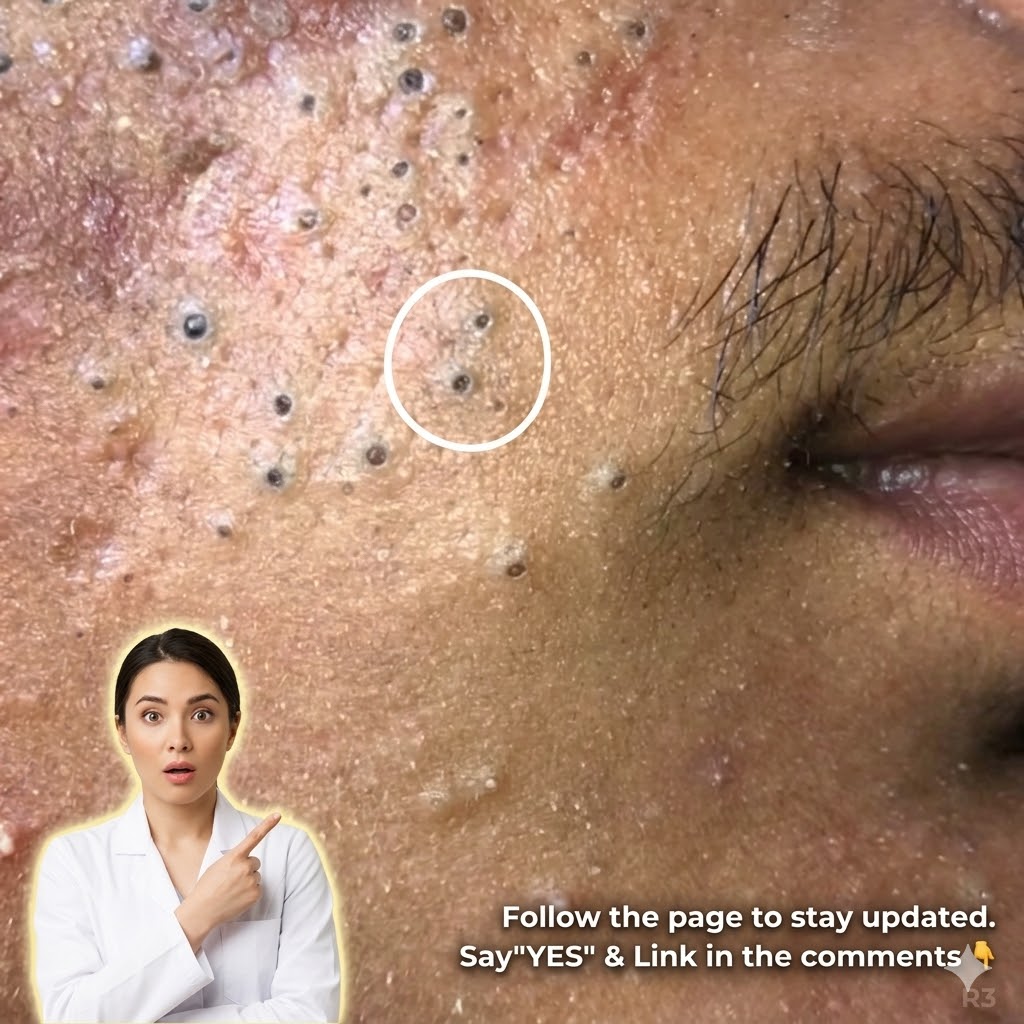
Toners designed for oily and acne-prone skin are typically formulated to support the regulation of sebum production, reduce pore congestion, and maintain the skin barrier without causing excessive dryness. In acne-prone skin, overactive sebaceous glands produce excess oil, which mixes with dead skin cells and can become trapped within hair follicles. This process contributes to the formation of comedones such as blackheads and whiteheads, and may progress into inflammatory acne when bacteria and immune responses are involved. A well-formulated toner can help address some of these early steps by promoting gentle exfoliation, balancing oil levels, and improving overall skin clarity.
Several factors influence how effective a toner may be for oily and acne-prone skin. Hormonal fluctuations can increase oil production, particularly during adolescence or periods of stress. Environmental conditions such as humidity may also contribute to excess sebum and clogged pores. In addition, skincare habits play a significant role. Over-cleansing or using harsh, alcohol-heavy toners can strip the skin barrier, leading to rebound oil production and increased irritation. On the other hand, using non-comedogenic, well-balanced formulations may help maintain skin equilibrium and reduce the likelihood of breakouts.
Ingredients are central to the effectiveness of toners in managing acne-prone skin. Salicylic acid, a beta hydroxy acid, is commonly used because it is oil-soluble and can penetrate into pores to help dissolve excess sebum and debris. Niacinamide is often included for its ability to support barrier function and regulate oil production while reducing visible redness. Alpha hydroxy acids such as glycolic acid or lactic acid may also be present in some formulations to promote surface exfoliation, although they are generally more suitable for those who tolerate chemical exfoliants well. Witch hazel is sometimes used for its mild astringent properties, though formulations should be alcohol-free to minimize irritation. Hydrating ingredients such as glycerin or hyaluronic acid are important to prevent excessive dryness, which can otherwise worsen acne over time.
When selecting a toner, formulations labeled as non-comedogenic and fragrance-free are generally preferred for acne-prone skin. Lightweight, water-based toners with active ingredients like salicylic acid or niacinamide are often recommended as part of a broader routine that may include gentle cleansers, targeted treatments such as benzoyl peroxide or retinoids, and oil-free moisturizers. Dermatological treatments, including prescription retinoids or topical antibiotics, may be considered for more persistent or moderate to severe acne, and toners can complement these treatments when used appropriately.
It is important to introduce toners gradually, especially those containing active exfoliating ingredients, to reduce the risk of irritation or barrier disruption. Consistent use over time is typically necessary to observe improvements, as acne develops through a gradual process involving follicular buildup and inflammation. While toners may help improve oil control and reduce the appearance of pores, they are not a standalone solution for acne and should be integrated into a balanced skincare routine. Individuals with ongoing or severe acne are encouraged to consult a qualified dermatologist to ensure appropriate and personalized treatment.