Video 1
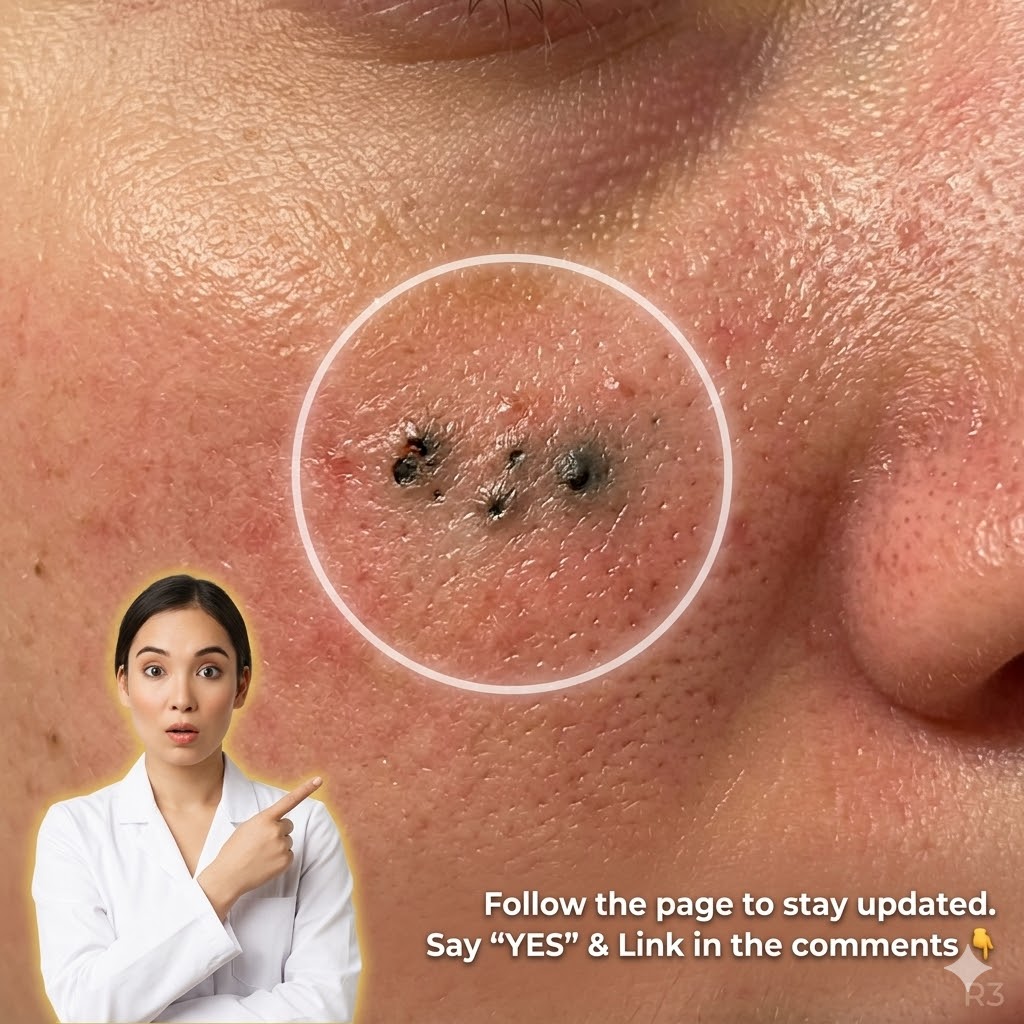
Toners designed for oily and acne-prone skin are formulated to support the skin’s natural balance while addressing excess sebum, clogged pores, and early-stage acne formation. In this skin type, sebaceous glands tend to produce higher levels of oil, which can mix with dead skin cells and lead to follicular blockage. This process contributes to the formation of microcomedones, which may later develop into blackheads, whiteheads, or inflamed acne lesions. A well-formulated toner can help remove residual debris after cleansing, support mild exfoliation, and prepare the skin for subsequent treatments without disrupting the skin barrier.


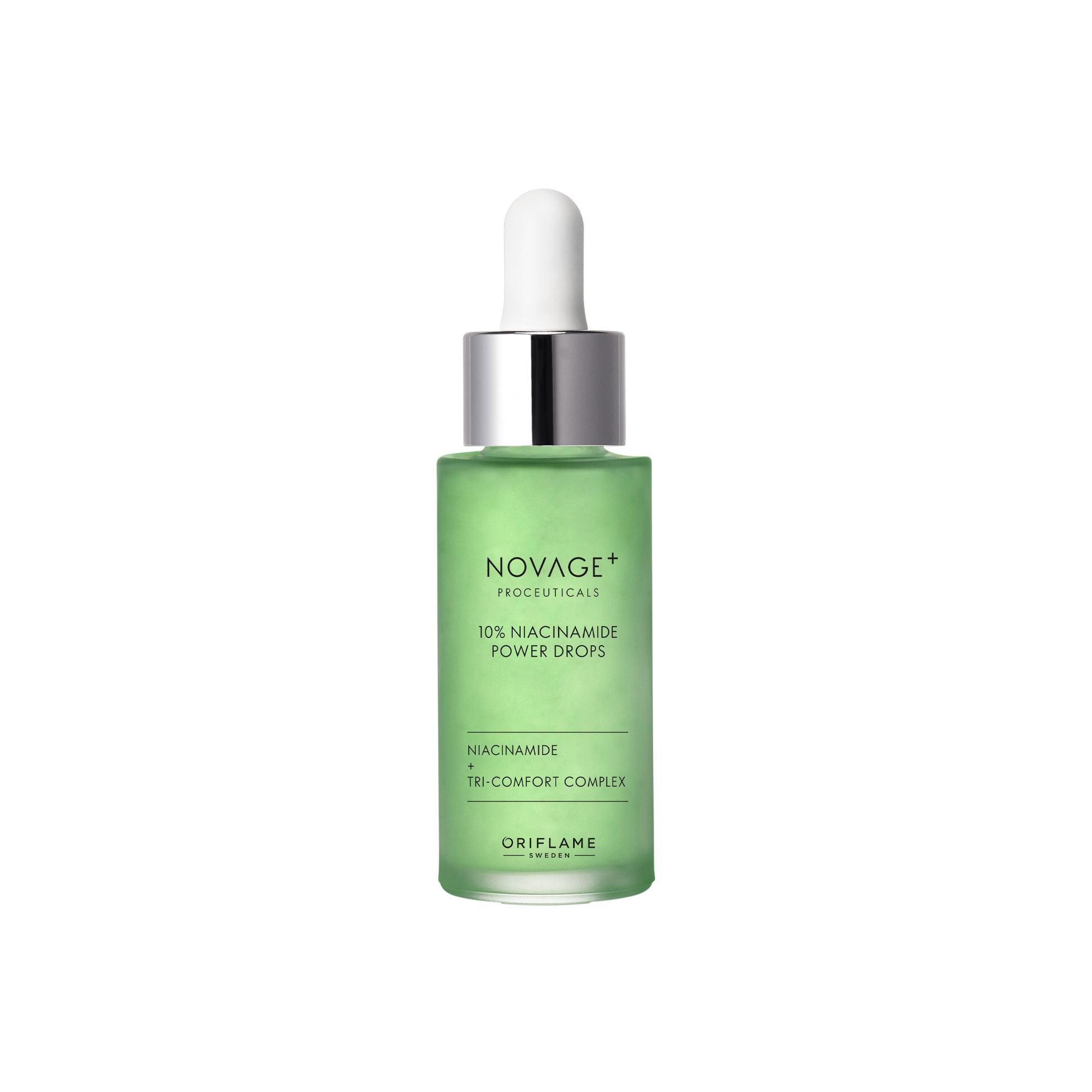
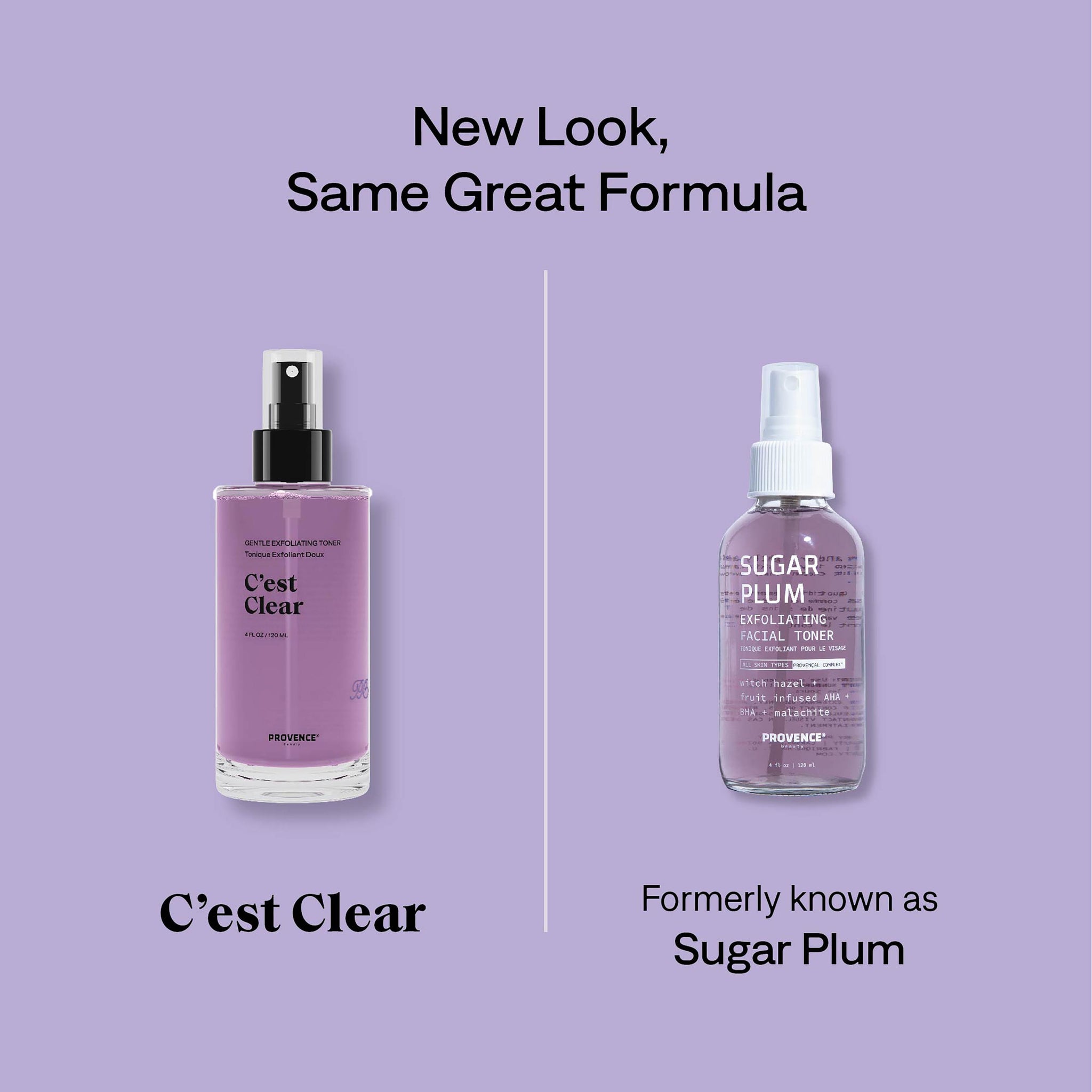
The effectiveness of a toner for acne-prone skin largely depends on its ingredients rather than the category itself. Salicylic acid is one of the most commonly recommended ingredients because it is oil-soluble and can penetrate into pores to help dissolve excess sebum and keratin buildup. This makes it particularly useful for managing blackheads and preventing new comedones from forming. Niacinamide is another frequently used ingredient that may help regulate sebum production and reduce visible redness associated with acne. Some toners also include mild exfoliating acids such as glycolic acid or lactic acid, which can promote surface cell turnover and improve overall skin texture over time.
In addition to active ingredients, the formulation base plays an important role in how suitable a toner is for oily skin. Lightweight, water-based toners without heavy oils or occlusive agents are generally preferred because they are less likely to contribute to pore congestion. Alcohol-based toners, which were historically marketed for oily skin, can sometimes strip the skin excessively. This may disrupt the skin barrier and paradoxically lead to increased oil production as the skin attempts to compensate for dryness. Modern formulations tend to focus on balancing oil control with hydration by including humectants such as glycerin or hyaluronic acid.

Environmental and lifestyle factors can also influence how well a toner performs. High humidity, for example, may increase sebum production, making pore-clearing ingredients more beneficial. Conversely, overuse of exfoliating toners in already compromised skin can lead to irritation, which may worsen inflammatory acne. Skincare routines that combine multiple active ingredients, such as retinoids, benzoyl peroxide, and exfoliating acids, should be approached cautiously to avoid cumulative irritation. In such cases, a gentle, non-exfoliating toner focused on hydration and barrier support may be more appropriate.
From a practical perspective, some of the most suitable toners for oily and acne-prone skin are those that contain salicylic acid for pore decongestion, niacinamide for oil regulation, and soothing agents such as green tea extract or centella asiatica to help calm inflammation. These formulations are often labeled as non-comedogenic, meaning they are less likely to clog pores, although individual responses can still vary.


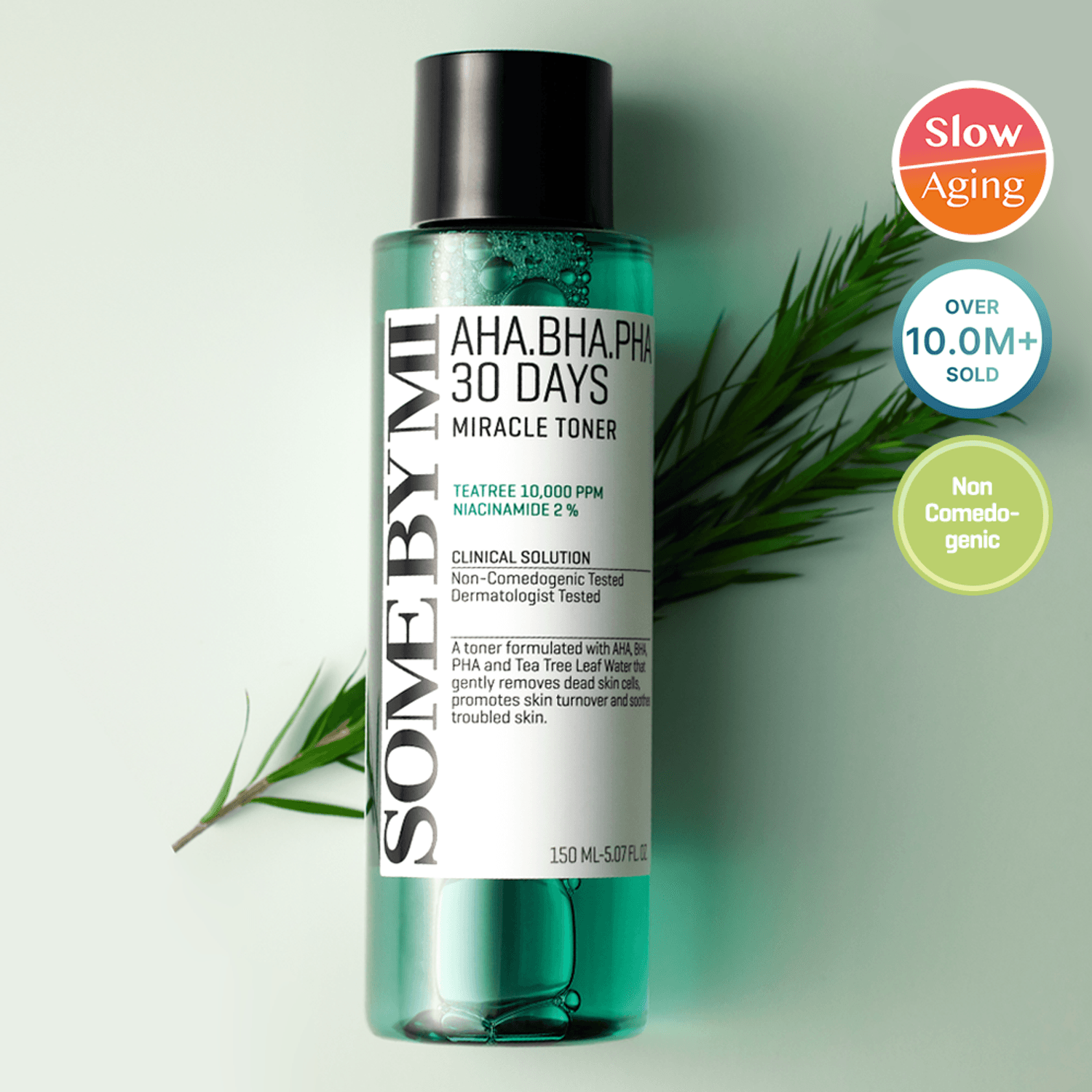
It is important to recognize that toners are supportive products rather than standalone acne treatments. They are most effective when used as part of a broader routine that may include a gentle cleanser, targeted treatments such as retinoids or benzoyl peroxide, and a suitable moisturizer to maintain skin barrier function. Consistency is key, and improvements in acne and pore appearance typically occur gradually over several weeks rather than immediately.
For individuals with persistent or severe acne, over-the-counter products may not be sufficient, and consultation with a dermatologist is often recommended. A tailored treatment plan can help address underlying causes more effectively while minimizing the risk of irritation or long-term skin damage.