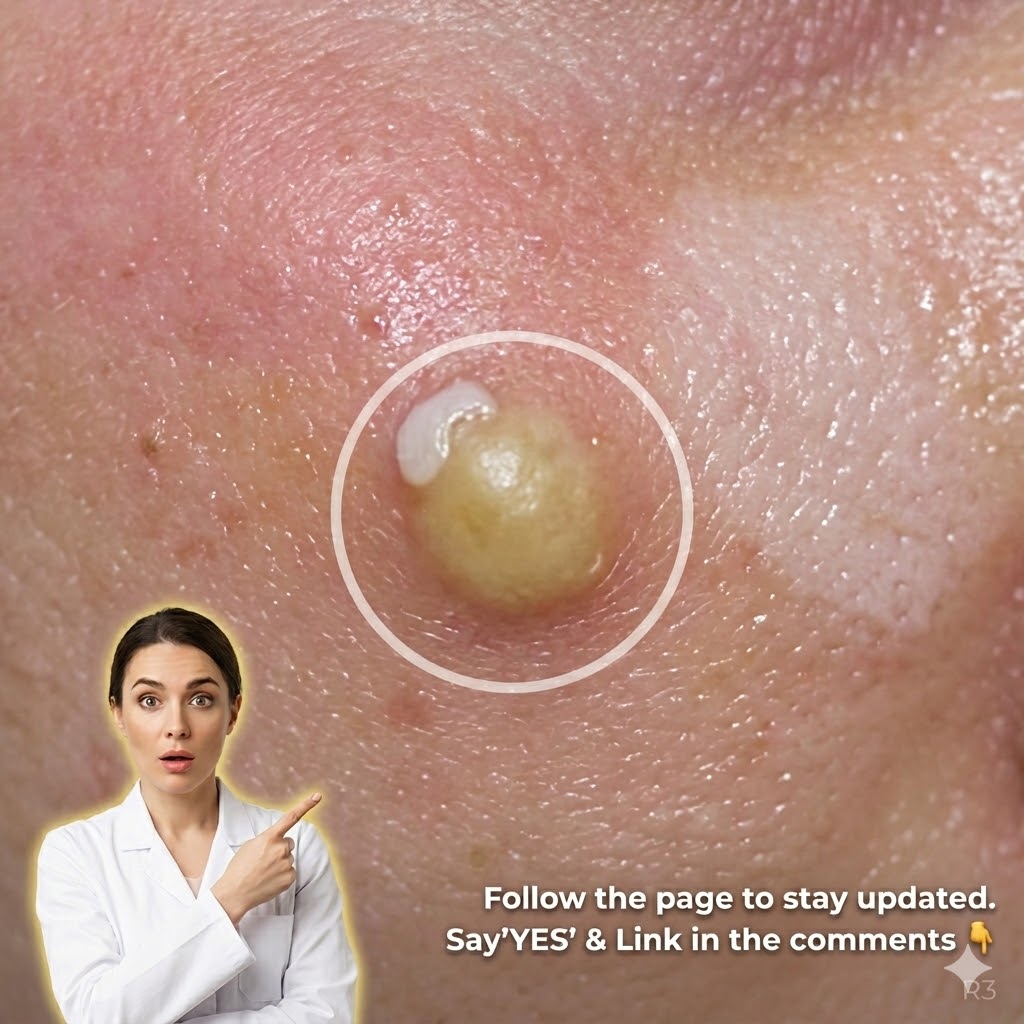
For oily skin types, toners frequently include ingredients that can help regulate sebum and reduce the appearance of enlarged pores. Salicylic acid, a beta hydroxy acid, is commonly used because it is oil-soluble and can penetrate into the pore lining to help dissolve buildup and reduce comedones. Niacinamide is another widely used ingredient that may help balance oil production while also calming inflammation and improving the overall appearance of the skin. Some formulations also include mild astringents, which can temporarily reduce surface oiliness, although overly harsh or alcohol-heavy toners may contribute to irritation and barrier disruption.
Gentle chemical exfoliation is a key feature in many toners targeted at acne-prone skin. Alpha hydroxy acids such as glycolic acid or lactic acid work on the surface to promote the shedding of dead skin cells, which may help prevent clogged pores over time. However, the concentration and frequency of use are important considerations, as excessive exfoliation can impair the skin barrier and increase sensitivity, potentially worsening breakouts. Hydrating components such as glycerin, hyaluronic acid, or panthenol are often included to counterbalance these effects and maintain moisture levels within the skin.
Environmental factors and daily habits can influence how toners perform. In humid climates, where oil production may already be elevated, lightweight and fast-absorbing formulations are often preferred to avoid adding excess residue to the skin. Frequent cleansing, sweating, and exposure to pollution can also increase the need for gentle post-cleansing steps that help remove remaining impurities without stripping the skin. At the same time, overuse of toners or combining multiple active ingredients in a routine may lead to cumulative irritation, particularly when used alongside treatments like retinoids or benzoyl peroxide.
From a treatment perspective, toners are considered a supportive step rather than a primary acne therapy. Ingredients such as salicylic acid may help keep pores clear, while niacinamide can contribute to reducing redness and supporting barrier function. When integrated into a broader skincare routine that includes cleansers, moisturizers, and targeted treatments, toners may enhance overall effectiveness by improving skin texture and preparing the skin for active ingredients.
It is important to recognize that not all oily or acne-prone skin responds the same way to toners. Some individuals may benefit from exfoliating formulas, while others may require more soothing and hydrating options to prevent irritation. Gradual introduction and careful observation of how the skin responds can help guide product selection. Consistent use over time, combined with realistic expectations and professional guidance for persistent or severe acne, is typically necessary to achieve balanced and sustainable improvements in skin health.