Video 1
Video 2
Video 3
Video 4
Acne marks, often referred to as post-inflammatory hyperpigmentation, develop as a result of the skin’s inflammatory response to breakouts. When pores become clogged with excess sebum, dead skin cells, and bacteria, the resulting inflammation can stimulate melanocytes to produce excess pigment. This leads to flat dark or red marks that remain even after the active acne lesion has resolved. Unlike true acne scars, these marks are not caused by structural damage but by pigment changes, which means they can gradually fade with appropriate skincare support.
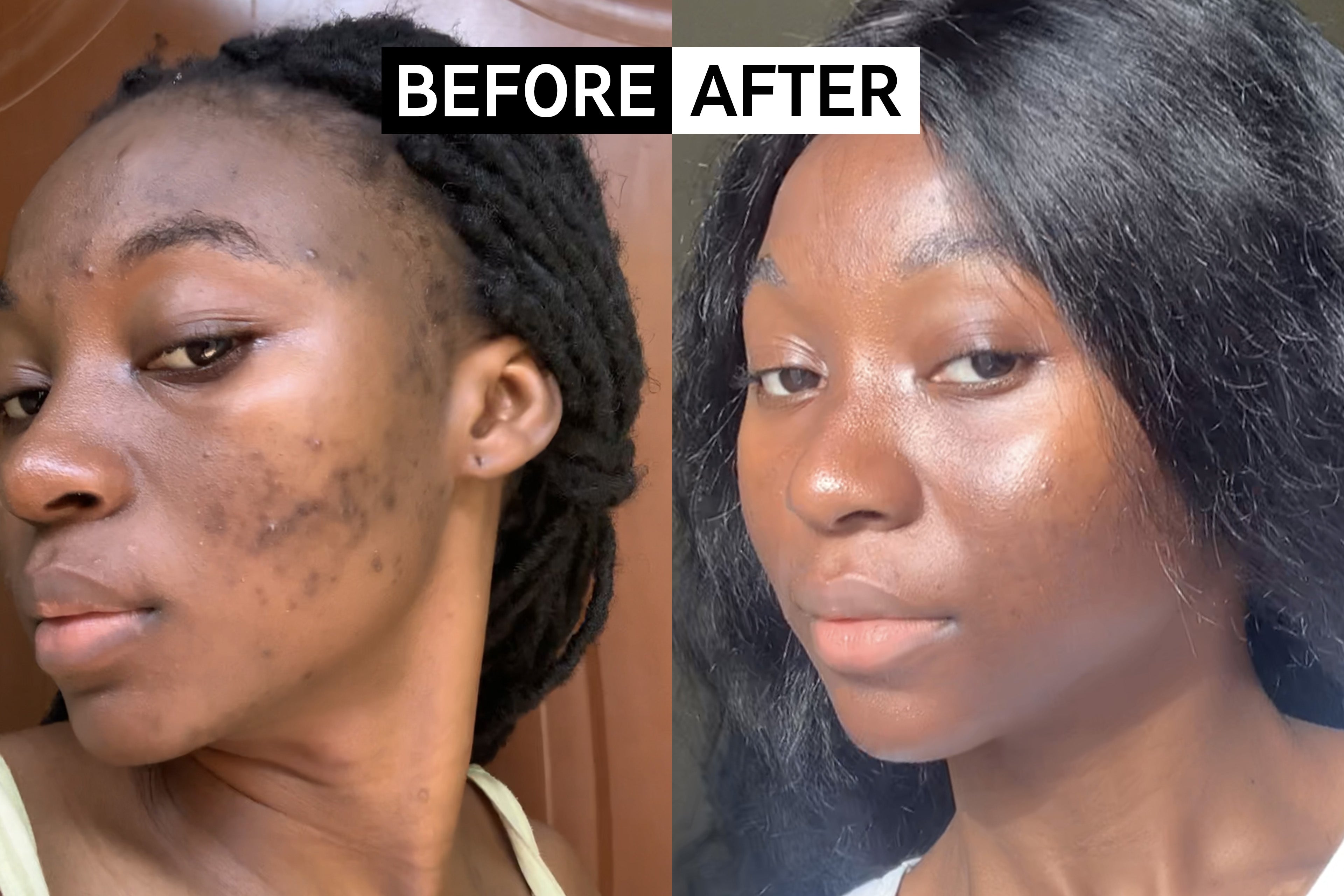

Several internal and external factors influence how long acne marks persist. Ongoing inflammation, repeated breakouts, and excessive sun exposure can prolong discoloration by continuously triggering pigment production. Skin type also plays a role, as individuals with medium to deeper skin tones may be more prone to visible hyperpigmentation. Additionally, overly aggressive skincare routines that compromise the skin barrier can worsen redness and delay recovery, highlighting the importance of balanced and consistent care.
Serums are often used in acne-prone routines because they deliver concentrated active ingredients that target both pigmentation and underlying acne mechanisms. Ingredients such as niacinamide are widely used for their ability to regulate oil production, reduce inflammation, and support the skin barrier, which may help minimize both active acne and the marks it leaves behind. Vitamin C is another commonly recommended ingredient, as it functions as an antioxidant and can help brighten uneven skin tone by interfering with melanin production. Regular use may gradually improve the appearance of dark spots when combined with daily sun protection.


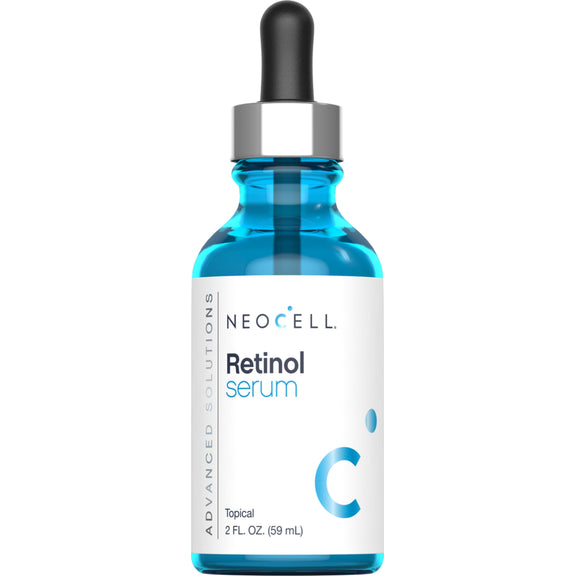
Retinoids, including over-the-counter retinol, play a central role in improving acne marks by increasing cell turnover and preventing clogged pores. By accelerating the shedding of pigmented cells and promoting new skin formation, they may help fade discoloration over time while also reducing the formation of comedones such as blackheads and whiteheads. Azelaic acid is another ingredient often recommended for acne-prone skin, as it has anti-inflammatory and antibacterial properties while also helping to reduce pigmentation. This makes it particularly useful for individuals dealing with both active acne and lingering marks.
Chemical exfoliants such as salicylic acid and alpha hydroxy acids may also support the fading process by promoting gentle exfoliation of the outer skin layers. Salicylic acid is especially relevant for oily and acne-prone skin because it penetrates into pores, helping to clear congestion while indirectly improving post-acne discoloration. However, overuse of exfoliating acids can disrupt the skin barrier and increase irritation, which may worsen redness and prolong healing, making moderation essential.
Consistent sun protection remains one of the most important yet often overlooked aspects of treating acne marks. Ultraviolet exposure can deepen pigmentation and counteract the benefits of treatment serums. Daily use of a broad-spectrum sunscreen helps protect healing skin and allows active ingredients to work more effectively over time.
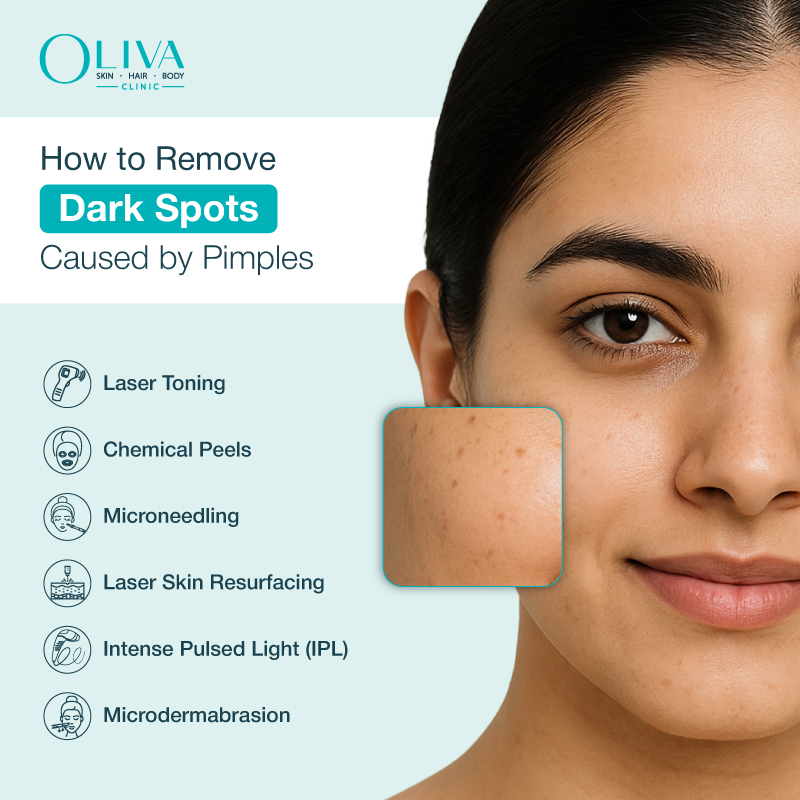
For persistent or more severe cases, dermatological treatments such as prescription retinoids, chemical peels, or laser therapies may be considered. These approaches are typically used when over-the-counter options provide limited improvement and should be guided by a qualified professional to ensure safety and suitability for different skin types.
Improvement in acne marks is usually gradual rather than immediate. With consistent use of well-formulated serums and supportive skincare habits, visible changes may develop over several weeks to months. Patience and routine stability are important, as frequent product switching or over-treatment can interfere with the skin’s natural recovery process. Individuals experiencing ongoing or severe acne may benefit from consulting a dermatologist to address both active breakouts and the marks they leave behind in a comprehensive and evidence-based manner