When we think about the wonders of nature, our minds often drift to majestic mountains, serene lakes, or vibrant flower gardens.
Yet, nestled within these landscapes is a hidden realm that is both fascinating and surprisingly diverse: the world of arthropods.
These remarkable creatures, which include insects, spiders, crabs, and more, make up the largest group of animals on our planet.
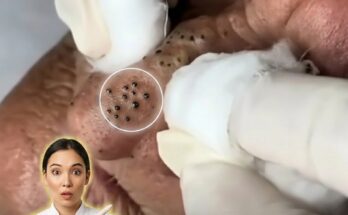
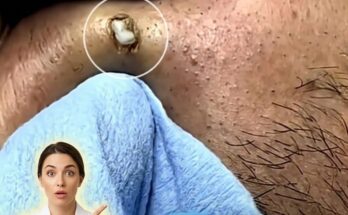
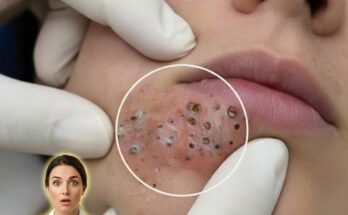
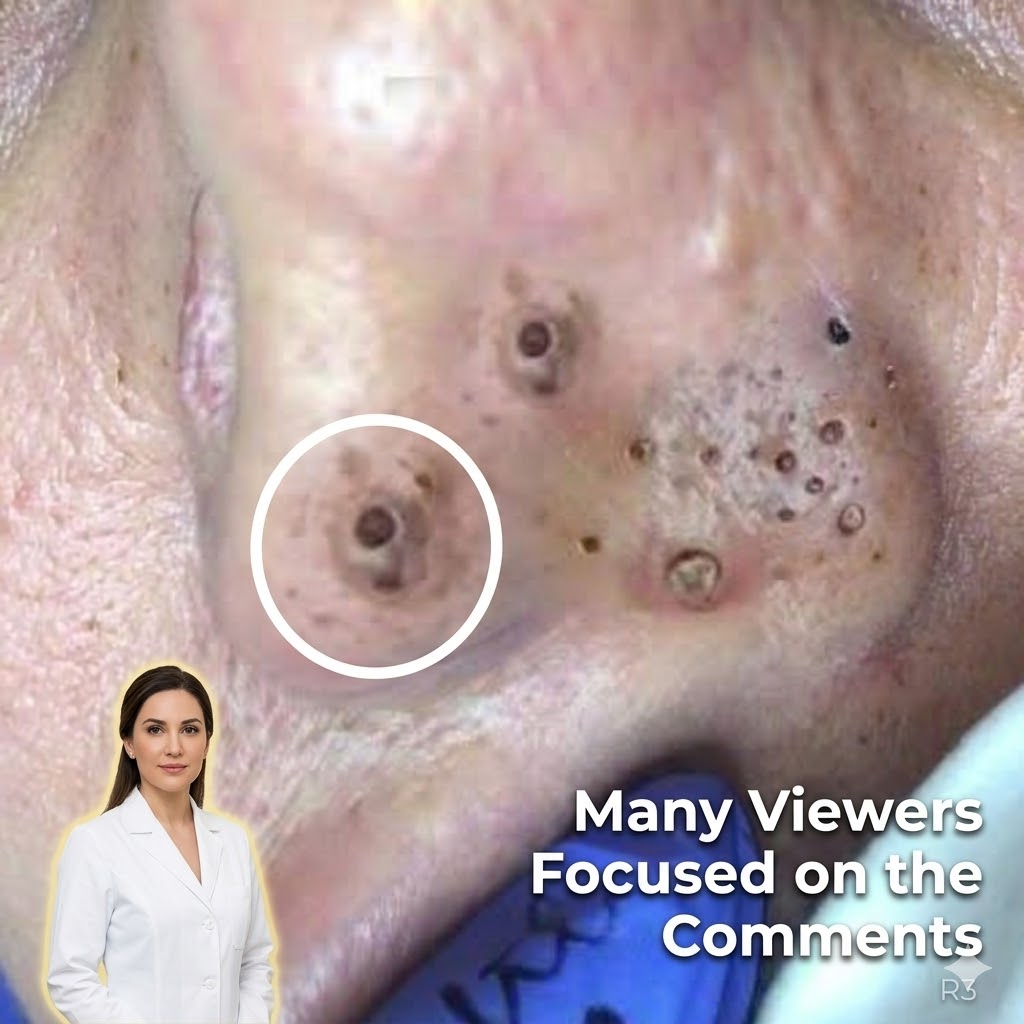
Pore strips are widely marketed as a quick solution for removing blackheads, but their effectiveness depends on the biological structure of the clogged pore. Blackheads, also known as open comedones, form when excess sebum and dead skin cells accumulate inside the hair follicle. The top of the pore remains open, allowing the material inside to interact with oxygen in the air. This oxidation process darkens the surface, creating the characteristic black appearance. While pore strips can physically remove material from the top of the pore, they do not address the underlying processes that lead to blackhead formation. Pore strips typically use an adhesive that bonds to debris on the surface of the skin. When the strip is removed, it can pull out oxidized sebum, keratin, and superficial plugs from the pore opening. This can create the appearance of cleaner pores immediately after use. However, the deeper portion of the pore often remains filled with sebum and skin cells. Because the follicle lining continues producing oil and shedding cells, the pore may refill relatively quickly. For individuals with oily skin or increased sebum production, this cycle can occur repeatedly.
Several biological factors contribute to the persistence of blackheads even after pore strips are used. Sebaceous glands naturally produce sebum to lubricate and protect the skin, and some individuals produce higher levels due to genetics or hormonal influences. In addition, a process called follicular keratinization causes dead skin cells to shed and accumulate inside the pore instead of being released evenly onto the skin surface. When sebum and keratin combine, they create the compact material that forms comedones. Pore strips do not regulate sebum production or normalize skin cell turnover, which means they do not prevent new blackheads from forming.
Frequent use of pore strips may also have drawbacks for some skin types. Because the adhesive can pull on the surface of the skin, repeated use may cause irritation, redness, or disruption of the skin barrier in sensitive individuals. The skin barrier plays an important role in maintaining hydration and protecting against environmental irritants. If the barrier becomes compromised, the skin may become more reactive, potentially worsening acne or increasing oil production as the skin attempts to compensate.
Dermatology-based skincare approaches often focus on preventing pore blockage rather than simply removing visible debris. Ingredients such as salicylic acid are commonly used because they are oil-soluble and can penetrate into the pore to help dissolve accumulated sebum and exfoliate dead skin cells. Topical retinoids are frequently recommended for comedonal acne because they help normalize follicular keratinization and promote more consistent skin cell turnover. Over time, these treatments may reduce the formation of both blackheads and whiteheads.
Other skincare ingredients may support overall pore health by improving oil balance and reducing inflammation. Niacinamide, for example, may help regulate sebum production and support skin barrier function. Gentle cleansing routines and non-comedogenic moisturizers can also help maintain balanced skin without contributing to clogged pores. For individuals with persistent or severe blackheads, dermatology procedures such as professional extractions or chemical exfoliation may be considered under the guidance of a qualified professional.
Although pore strips may temporarily improve the appearance of blackheads by removing surface debris, they are generally best viewed as a short-term cosmetic solution rather than a long-term treatment. Sustainable improvement in pore congestion usually requires consistent skincare that addresses sebum production, skin cell turnover, and overall skin barrier health. Individuals experiencing ongoing or severe acne symptoms are often encouraged to consult a dermatologist or qualified skincare professional to determine the most appropriate treatment approach.