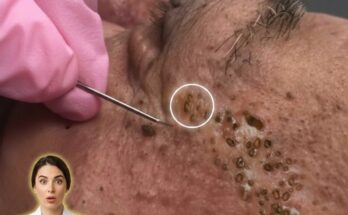
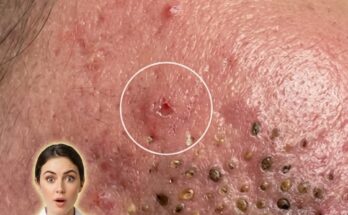
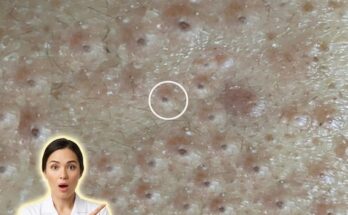
Beneath the visible surface of the skin lies a complex network of sebaceous glands, hair follicles, and immune cells that collectively determine how the skin responds to internal and external stressors. When sebaceous glands become overactive, often driven by hormonal signals during puberty, menstruation, or periods of elevated stress, the resulting excess oil can mix with dead keratinocytes and form microcomedones. These microscopic blockages represent the earliest stage of acne formation and can progress into visible lesions if left unaddressed through proper cleansing and targeted treatment strategies.
Dietary patterns and lifestyle habits have gained increasing attention in dermatological research as potential modulators of acne severity. High-glycemic diets, excessive dairy consumption, and chronic sleep deprivation have all been associated with increased inflammatory responses in the skin. While no single dietary change can eliminate acne entirely, adopting an anti-inflammatory approach to nutrition may support the body’s natural ability to manage sebum production and reduce the frequency of breakouts, particularly when combined with evidence-based topical therapies.
Video 1
The selection of appropriate skincare ingredients depends on the type and severity of acne being addressed. Benzoyl peroxide remains one of the most widely studied antimicrobial agents for acne-prone skin, working by introducing oxygen into the anaerobic environment of clogged pores. Retinoids, available in both over-the-counter and prescription strengths, promote cellular turnover and help prevent the formation of new comedones. Combining complementary ingredients under professional guidance can maximize treatment efficacy while minimizing the risk of irritation or compromised skin barrier function.
Clinical interventions become necessary when topical treatments alone fail to produce adequate results. Board-certified dermatologists can assess the underlying causes of persistent acne and recommend targeted therapies such as hormonal treatments for androgen-driven breakouts, isotretinoin for severe nodulocystic acne, or light-based procedures that target inflammation at the follicular level. Each of these approaches carries its own risk-benefit profile, and the decision to pursue clinical treatment should be made collaboratively between the patient and their healthcare provider.
Long-term management of acne requires patience and a willingness to adapt one’s routine as the skin’s needs evolve over time. Seasonal changes, hormonal shifts, and aging can all alter how the skin responds to previously effective treatments. Regularly reassessing product choices, maintaining consistent application schedules, and protecting the skin from ultraviolet exposure are practical steps that support sustained improvement. When setbacks occur, they should be viewed as opportunities to refine the approach rather than indicators of failure, as the path to clearer skin is rarely linear.
Content reviewed by a skincare specialist. This material is for educational use and should not substitute consultation with a licensed dermatologist.