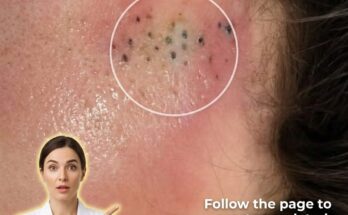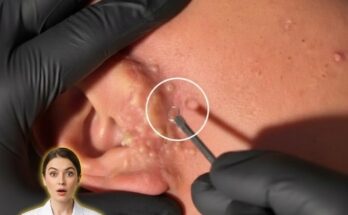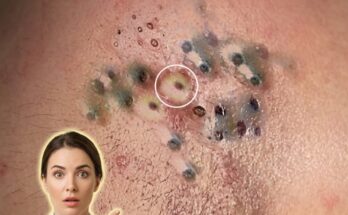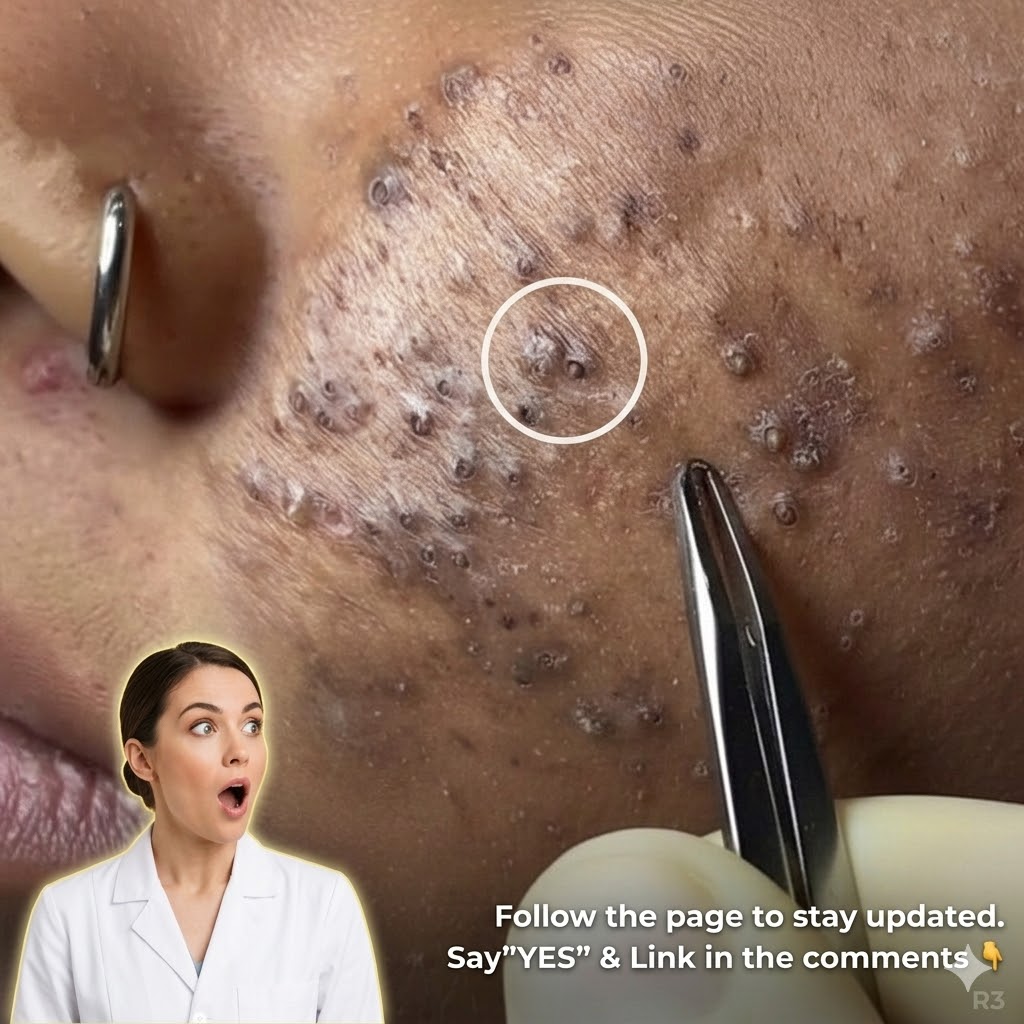
Video 1
Video 3
Video 4
Sulfur has been used for decades in dermatology as a topical treatment for acne, particularly for mild to moderate inflammatory and comedonal forms. Its effectiveness is largely linked to its keratolytic and antibacterial properties. Within the pore, acne develops when excess sebum combines with dead skin cells, leading to follicular blockage and the formation of comedones such as blackheads and whiteheads. Sulfur helps reduce this buildup by promoting gentle shedding of dead skin cells, which may help keep pores clearer over time. At the same time, it can reduce the growth of acne-associated bacteria, contributing to a decrease in inflammation.
In acne-prone skin, several internal and external factors influence how well sulfur treatments perform. Increased sebum production, often driven by hormonal fluctuations, creates an environment where clogged pores are more likely. Environmental factors such as humidity and occlusive skincare or cosmetic products may further trap oil and debris in the follicle. Skin barrier condition also plays a role. When the barrier is compromised due to over-cleansing or excessive exfoliation, the skin may become more reactive, potentially worsening breakouts. Sulfur is often considered a gentler option compared to stronger treatments, making it useful in routines where irritation needs to be minimized.
Sulfur is commonly formulated in cleansers, spot treatments, and masks. In cleansers, it works through brief contact to help reduce surface oil and debris, while leave-on treatments allow longer interaction with the skin, potentially improving effectiveness for active breakouts. It is often combined with other ingredients such as salicylic acid or resorcinol to enhance pore-clearing effects. Compared to ingredients like benzoyl peroxide, sulfur may be less irritating for some individuals, although it can still cause dryness or peeling, particularly when overused. Its characteristic odor is a known limitation, though modern formulations often attempt to mask it.