Video 1
Video 2
Video 3
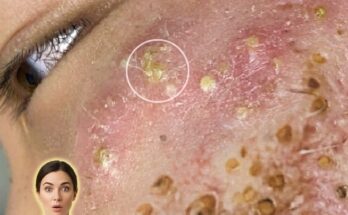
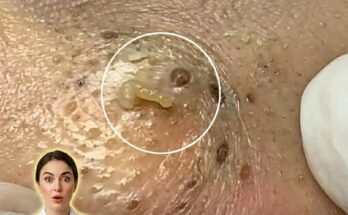
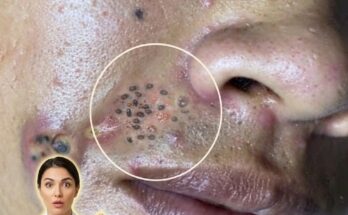
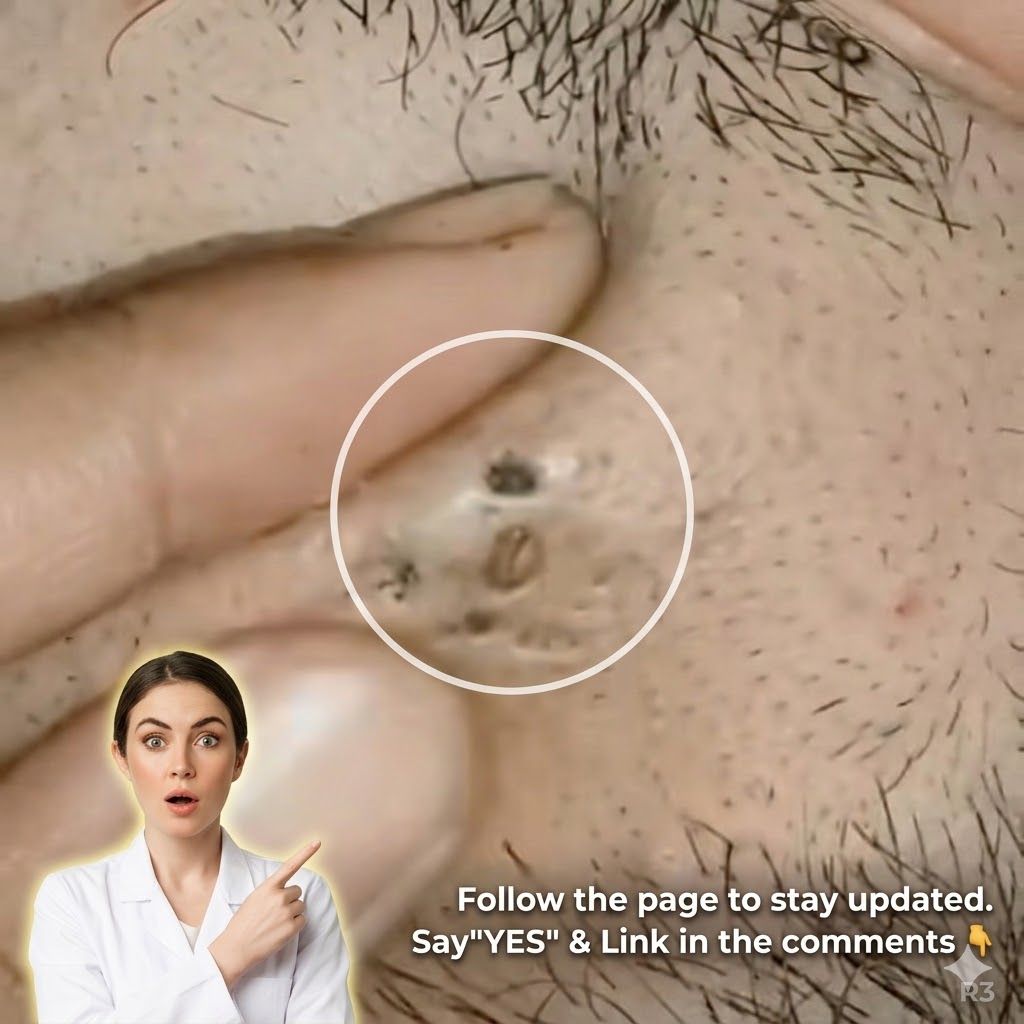
Blackheads, also known as open comedones, develop when pores become clogged with a mixture of sebum, dead skin cells, and other debris that becomes exposed to air and oxidizes, giving it a dark appearance. While many people can remove blackheads temporarily, they often return because the underlying biological processes that create them remain active. The skin is constantly producing oil and shedding cells, and when this natural cycle becomes slightly imbalanced, pores can repeatedly become blocked in the same areas.
One of the primary reasons blackheads keep coming back is excess sebum production. Sebaceous glands are influenced by hormones, particularly androgens, which can increase oil output. Oily skin types are therefore more prone to persistent clogged pores, especially in areas like the nose, chin, and forehead. Even when a blackhead is extracted, the gland continues producing oil, which can quickly refill the pore if other contributing factors are still present.
Another key factor is abnormal follicular keratinization, a process where dead skin cells do not shed evenly from the lining of the pore. Instead of being released naturally onto the skin’s surface, these cells accumulate and mix with oil, forming a plug. This buildup creates the ideal environment for blackheads to reform. Without addressing this process, the cycle of clogging and recurrence tends to continue.
Skincare habits can also play a significant role. Inadequate cleansing, inconsistent exfoliation, or the use of pore-clogging products may contribute to ongoing blackhead formation. Heavy or comedogenic ingredients in makeup and skincare can trap oil and debris inside pores. On the other hand, overly harsh cleansing or aggressive scrubbing may disrupt the skin barrier, leading to increased oil production as the skin tries to compensate, which can worsen the issue.
Environmental factors, such as humidity, pollution, and exposure to occlusive substances, may further contribute to recurring blackheads. These external elements can mix with sebum on the skin’s surface and increase the likelihood of pore congestion. Additionally, habits like frequently touching the face or not properly removing makeup can introduce more debris into pores.
Effective management often involves addressing multiple aspects of the problem rather than focusing solely on removal. Ingredients like salicylic acid are commonly used because they are oil-soluble and can penetrate into the pore to help dissolve buildup. Retinoids may help regulate skin cell turnover and reduce the formation of new comedones over time. Niacinamide is often included in routines to help balance oil production and support the skin barrier. In some cases, benzoyl peroxide may be used, although it is more commonly associated with inflammatory acne.
Professional treatments, such as chemical peels or manual extractions performed by trained specialists, may provide temporary improvement, but maintenance with a consistent skincare routine is typically necessary to prevent recurrence. Dermatologists may also recommend prescription-strength retinoids or other targeted therapies for more persistent cases.
It is important to understand that blackheads are a chronic, recurring condition for many individuals rather than a one-time issue. Managing them usually requires ongoing care rather than expecting permanent removal. Gentle, consistent treatment and realistic expectations can help reduce their appearance over time while maintaining overall skin health.