Video 1
The skin barrier, primarily located within the outermost layer of the epidermis known as the stratum corneum, functions as a protective interface between the body and the external environment. This barrier is often described as a “brick and mortar” structure, where skin cells act as the bricks and a lipid matrix composed of ceramides, cholesterol, and fatty acids acts as the mortar. Ceramides are a major component of this lipid matrix and play a critical role in maintaining cohesion between skin cells, preventing excessive water loss, and protecting against environmental irritants and microbial intrusion. When ceramide levels are sufficient, the barrier remains intact, supporting balanced hydration and reducing the likelihood of inflammation that can contribute to acne and visible skin sensitivity.
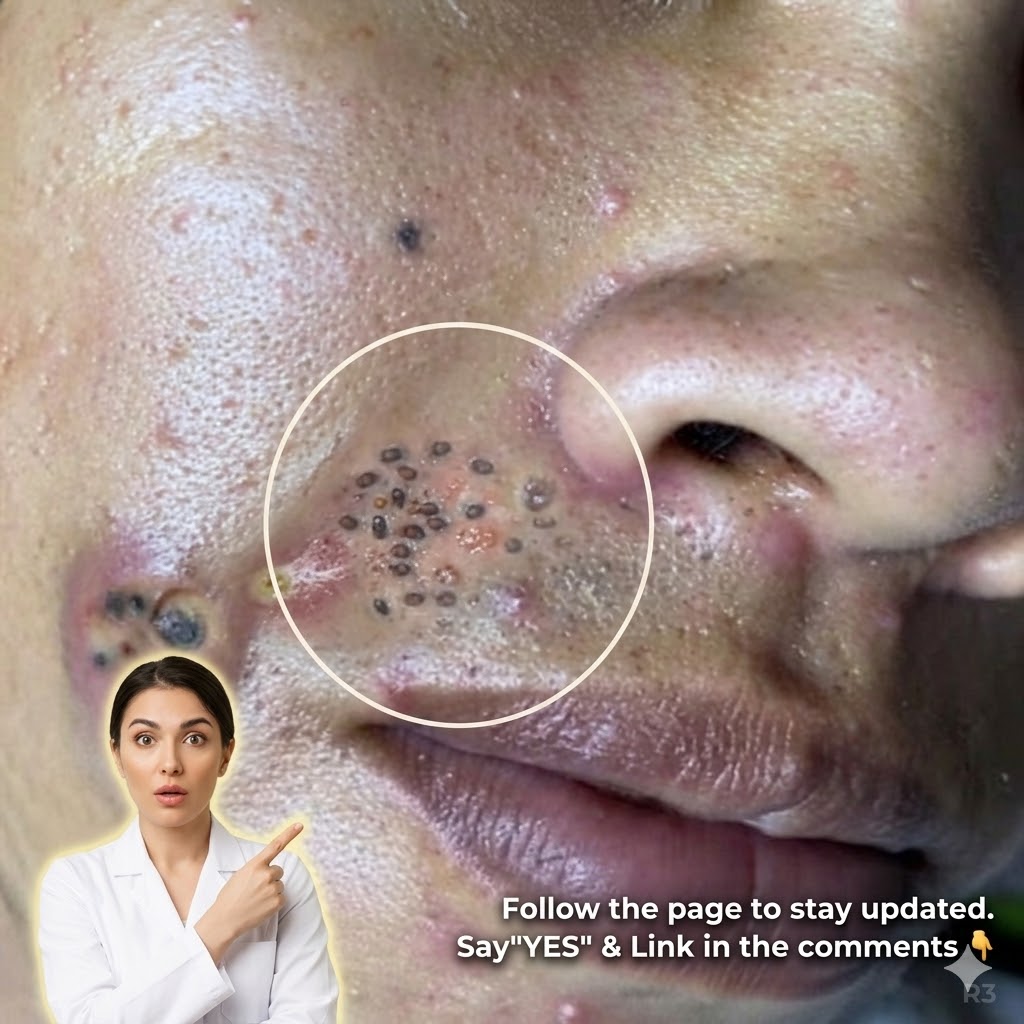
Disruption of the skin barrier can occur through multiple pathways, including overuse of harsh cleansers, excessive exfoliation with acids such as salicylic acid or AHAs, environmental stressors like pollution and low humidity, and underlying conditions that affect lipid production. In acne-prone skin, this disruption may be compounded by treatments such as retinoids or benzoyl peroxide, which, while effective for managing clogged pores and inflammation, can also lead to dryness and irritation if not balanced properly. A compromised barrier may increase transepidermal water loss, trigger compensatory oil production, and make pores more susceptible to congestion, thereby contributing to blackheads, whiteheads, and inflammatory lesions.
Ceramides in skincare are commonly used to support barrier repair by replenishing the lipid matrix and restoring structural integrity. Topical formulations containing ceramides may help reduce dryness, improve skin smoothness, and enhance tolerance to active acne treatments. These ingredients are often combined with cholesterol and fatty acids to better mimic the skin’s natural lipid composition, which can improve their effectiveness. In acne-focused routines, incorporating ceramide-rich moisturizers alongside active treatments such as salicylic acid or retinoids is often recommended to maintain barrier balance while addressing pore congestion and inflammation. Niacinamide is also frequently included in such formulations, as it may help support ceramide synthesis while reducing redness and regulating oil production.
Professional dermatological approaches may be considered when barrier impairment is persistent or associated with moderate to severe acne. Dermatologists may adjust treatment regimens to reduce irritation, recommend barrier-repair formulations, or introduce treatments gradually to allow the skin to adapt. In some cases, simplified skincare routines that focus on gentle cleansing, hydration, and barrier support are prioritized before reintroducing more active ingredients.
Restoring the skin barrier is typically a gradual process that requires consistent care and avoidance of overly aggressive products. While ceramides can play a central role in this process, results may vary depending on individual skin type, the severity of barrier disruption, and concurrent acne treatments. Maintaining a balanced routine that addresses both barrier health and pore management is often key to long-term skin stability. Individuals experiencing persistent irritation, worsening acne, or uncertainty about product selection may benefit from consulting a qualified skincare professional for personalized guidance.