Video 1
Video 2
Video 3
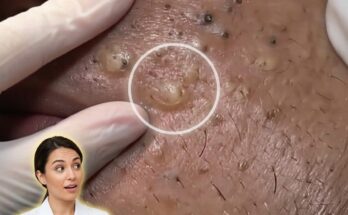
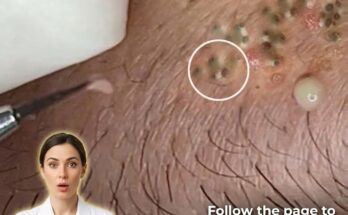
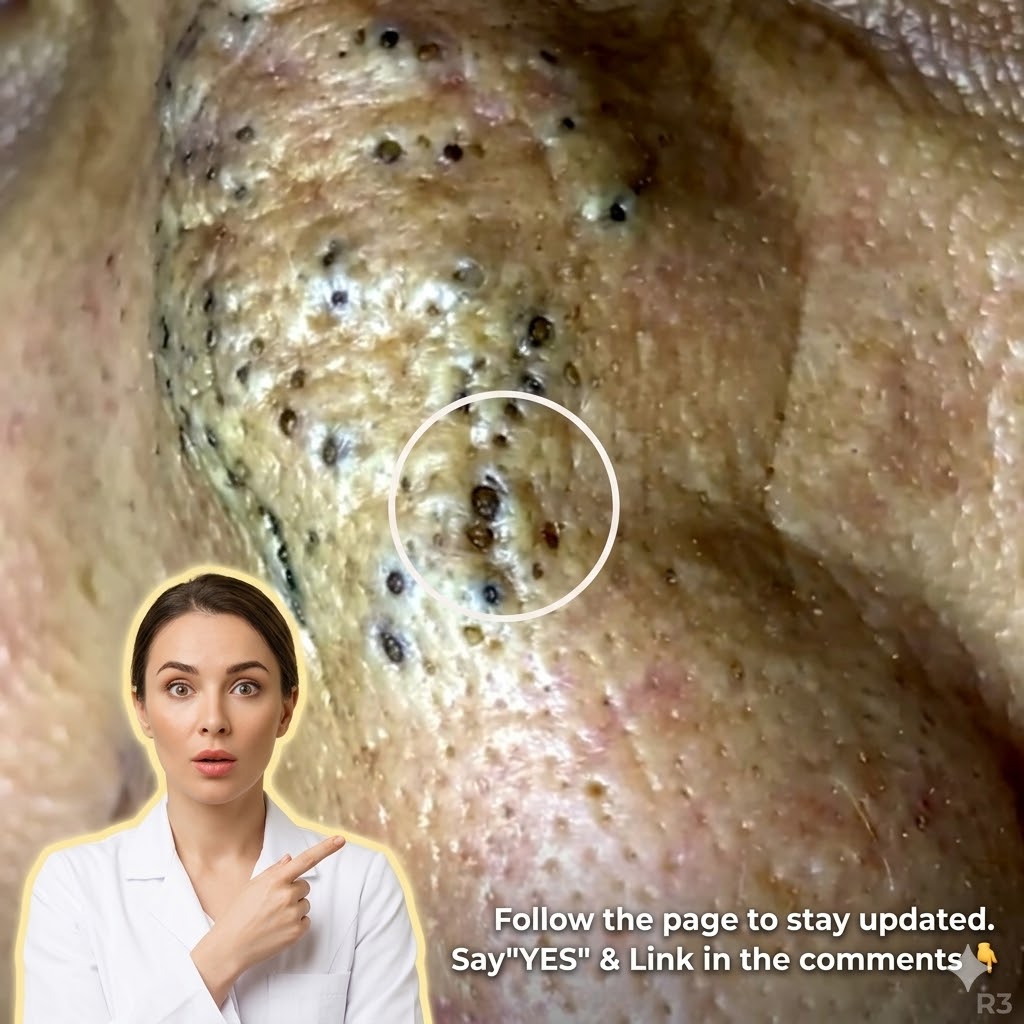
Azelaic acid is a naturally derived dicarboxylic acid that plays a multifaceted role in the management of acne by acting on several key biological pathways involved in breakouts. It works by normalizing follicular keratinization, which is the process by which dead skin cells are shed داخل the pore. In acne-prone skin, this process becomes irregular, leading to clogged pores and the formation of comedones such as blackheads and whiteheads. Azelaic acid helps regulate this shedding process, reducing the likelihood of pore blockage while also exerting mild antibacterial effects against acne-associated bacteria. In addition, it has anti-inflammatory properties that may help calm redness and swelling associated with inflammatory acne lesions.
The development of acne is influenced by multiple internal and external factors, including hormonal fluctuations that increase sebum production, genetic predisposition, and environmental triggers such as humidity and pollution. Excess oil combined with sticky skin cells creates an ideal environment for clogged pores. Skincare habits also play a significant role, as over-cleansing or harsh exfoliation can disrupt the skin barrier, potentially worsening breakouts. Azelaic acid is often well tolerated in these contexts because it supports skin balance without aggressively stripping the skin, making it suitable for individuals who experience irritation from stronger treatments.
In treatment routines, azelaic acid is commonly used as a topical ingredient in concentrations typically ranging from 10% to 20%. It can be incorporated alongside other acne treatments such as retinoids, salicylic acid, or benzoyl peroxide, although careful introduction is recommended to minimize irritation. Unlike some stronger actives, azelaic acid also has the added benefit of helping to reduce post-inflammatory hyperpigmentation, which is particularly relevant for individuals who develop dark marks after acne heals. Its compatibility with sensitive and rosacea-prone skin further expands its usefulness in dermatology-based skincare approaches.
Consistent use is important, as improvements in clogged pores and inflammation tend to develop gradually over several weeks. While azelaic acid may help reduce acne severity and improve overall skin clarity, it is not an immediate solution and results can vary depending on the underlying causes of acne. Mild tingling or dryness may occur during initial use, but these effects are often temporary. For persistent or severe acne, consultation with a qualified dermatologist is recommended to determine whether azelaic acid should be combined with prescription treatments or other targeted therapies.