Video 1
Video 2
Video 3
Video 4
Alpha hydroxy acids (AHAs) and beta hydroxy acids (BHAs) are chemical exfoliants that influence how skin cells are shed and how pores remain clear, making them widely used in acne and pore-focused skincare. Both groups work by loosening the bonds between dead skin cells in the outermost layer of the skin, a process that helps reduce the buildup of keratin and debris that can contribute to clogged pores and comedones. However, their differences in solubility determine how and where they act within the skin.
AHAs are water-soluble acids, commonly including glycolic acid and lactic acid, which primarily act on the surface of the skin. They help accelerate the natural process of desquamation by weakening the cohesion between corneocytes in the stratum corneum. This can lead to smoother skin texture and may help reduce the formation of whiteheads by preventing excess dead skin accumulation. Because AHAs work mainly at the surface, they are often used to improve uneven texture, mild discoloration, and early signs of pore congestion rather than deeply embedded blackheads.
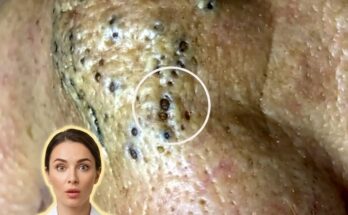
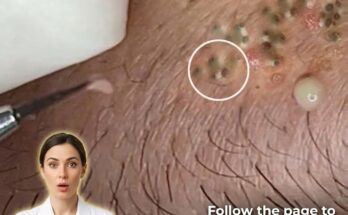
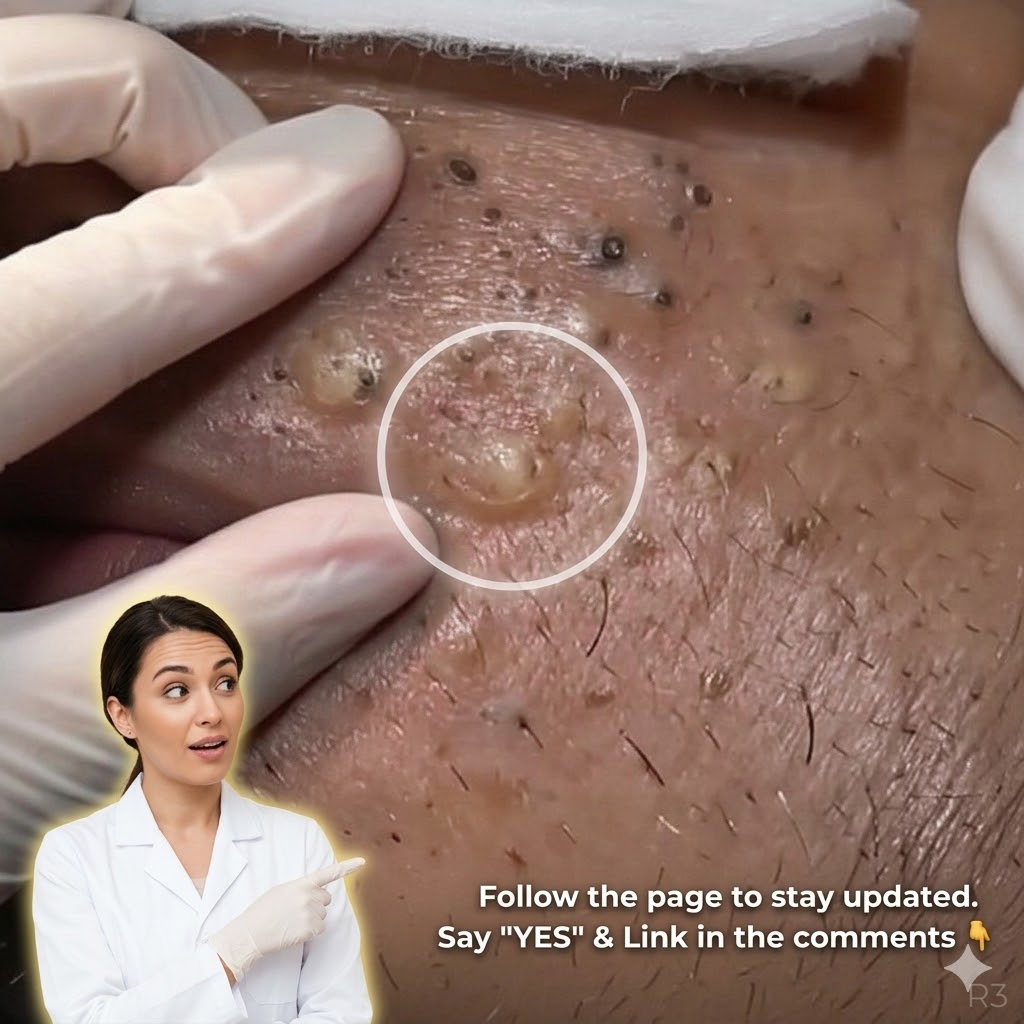
BHAs, most notably salicylic acid, are oil-soluble, which allows them to penetrate into the pore lining where sebum and dead skin cells accumulate. Inside the pore, salicylic acid can help dissolve the mixture of oil and keratin that contributes to blackheads and inflamed acne lesions. It also has mild anti-inflammatory properties, which may help reduce redness associated with breakouts. This ability to work within the pore makes BHAs particularly relevant for oily skin and comedonal acne.
The development of clogged pores is influenced by several factors beyond exfoliation alone. Increased sebum production, often driven by hormonal activity, creates an environment where dead skin cells are more likely to stick together. Abnormal follicular keratinization further contributes to blockage, while environmental factors such as humidity, occlusive skincare products, or inconsistent cleansing habits can worsen buildup. In this context, AHAs and BHAs function as supportive tools rather than standalone solutions.
In practical skincare routines, these acids are commonly used in cleansers, toners, serums, or leave-on treatments at varying concentrations. Lower concentrations may be suitable for maintenance and prevention, while higher strengths are sometimes used under professional supervision. Combining exfoliating acids with other ingredients such as niacinamide, retinoids, or benzoyl peroxide may enhance overall acne management, although layering active ingredients should be approached carefully to avoid irritation and disruption of the skin barrier.
Consistency and moderation are important when using chemical exfoliants. Overuse can impair barrier function, leading to increased sensitivity, dryness, and even worsening breakouts due to irritation. Gradual introduction and attention to skin tolerance are often recommended. Daily sunscreen use is also important, as AHAs in particular can increase photosensitivity.
While AHAs and BHAs can play a meaningful role in maintaining clearer pores and improving skin texture, results are typically gradual and vary between individuals. Persistent or severe acne may require additional therapies, including prescription treatments guided by a qualified dermatology professional.