Video 1
Video 2
Video 3
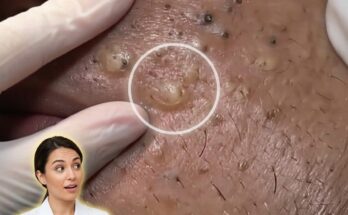
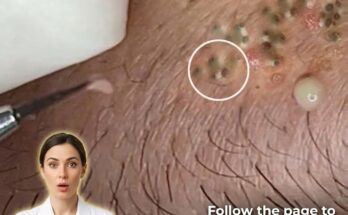
Oily skin is closely linked to the activity of the sebaceous glands, which are responsible for producing sebum, a lipid-rich substance that helps maintain hydration and protect the skin barrier. In individuals with oily skin, these glands are more active, often due to genetic predisposition or hormonal influences, particularly androgens. While sebum plays an essential role in skin health, excess production can create an environment where it readily combines with dead skin cells through the natural process of follicular keratinization. When this mixture accumulates داخل the hair follicle, it can form a plug that blocks the pore, leading to what is commonly referred to as a clogged pore or comedone.
The process of pore clogging is not solely about oil quantity but also about how effectively the skin sheds dead cells. In oily skin types, there is often an imbalance in cell turnover, where dead keratinocytes are not shed efficiently and instead remain داخل the pore lining. This contributes to the formation of microcomedones, which are the earliest stage of acne lesions. When the clogged material remains beneath the surface, it forms whiteheads, while exposure to air can oxidize the contents, resulting in blackheads. These clogged pores can also create an environment that supports the growth of acne-associated bacteria, potentially leading to inflammation and more severe forms of acne.
Several external and behavioral factors may worsen the likelihood of clogged pores in oily skin. The use of heavy or comedogenic skincare and cosmetic products can add to the buildup داخل pores, making blockages more likely. Inadequate cleansing, especially in environments with high humidity or pollution, may allow excess oil and environmental debris to remain on the skin’s surface. Over-cleansing or using harsh products, however, can disrupt the skin barrier and sometimes trigger a rebound increase in sebum production, further complicating the issue. Diet, stress, and certain medications may also influence oil production, although their impact can vary between individuals.
Managing oily skin and preventing clogged pores typically involves maintaining a balance between controlling excess sebum and preserving the skin barrier. Gentle cleansing with non-stripping formulations may help remove surface oil and impurities without causing irritation. Ingredients such as salicylic acid are commonly used because they can penetrate oil and help exfoliate داخل the pore, reducing the likelihood of blockage. Retinoids are often recommended for their ability to normalize cell turnover and prevent the formation of microcomedones. Niacinamide may also be beneficial, as it can help regulate sebum production and support barrier function. In cases where acne develops, benzoyl peroxide may be used to reduce bacterial involvement and inflammation.
Long-term improvement requires consistency and realistic expectations. Oily skin cannot be permanently “cured,” but its effects can be managed with appropriate skincare and lifestyle adjustments. It is important to introduce active ingredients gradually to minimize irritation, as inflammation can worsen both oil production and pore congestion. For individuals experiencing persistent or severe clogged pores or acne, consultation with a qualified dermatologist is often recommended to tailor a treatment approach based on specific skin needs and sensitivities.