Video 1
Video 2
Video 3
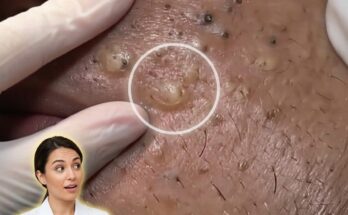
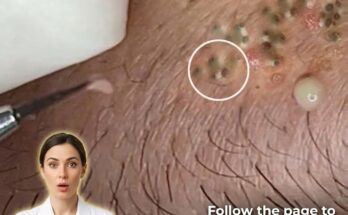
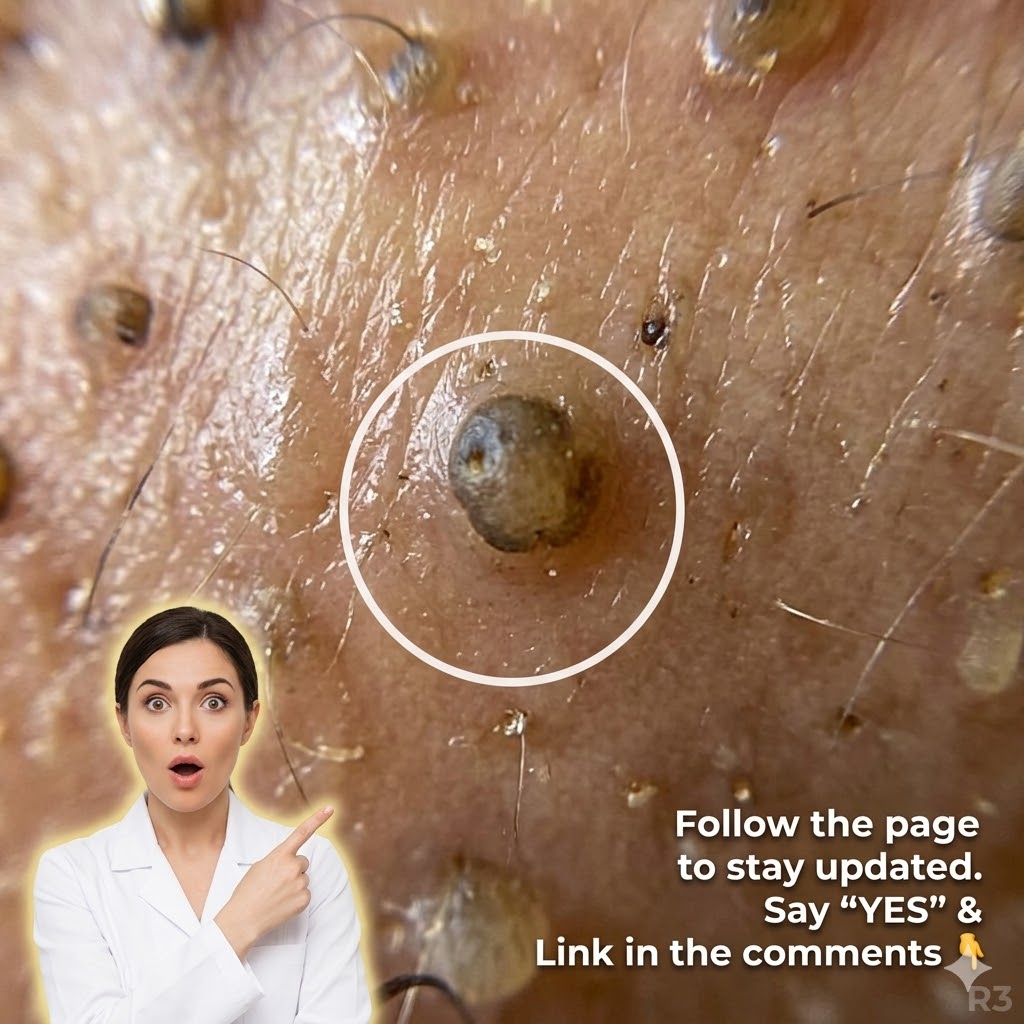
Blackheads, also known as open comedones, form when a pore becomes clogged with a mixture of sebum, dead skin cells, and debris. Unlike whiteheads, the pore remains open at the surface, allowing the contents to oxidize when exposed to air. This oxidation process is what gives blackheads their characteristic dark appearance. While removing blackheads may seem straightforward, their tendency to return is rooted in ongoing biological processes within the skin rather than a one-time blockage.
One of the primary reasons blackheads keep coming back is persistent sebum production. The sebaceous glands continuously produce oil to help maintain skin hydration and barrier function. In individuals with oily or combination skin, this oil production may be higher than average, increasing the likelihood that pores will become clogged again shortly after being cleared. Hormonal influences, particularly androgens, can further stimulate sebaceous gland activity, which is why blackheads are often more noticeable during adolescence, menstrual cycles, or periods of hormonal fluctuation.
Another contributing factor is abnormal follicular keratinization, a process in which dead skin cells do not shed efficiently. Instead of being naturally released from the pore lining, these cells accumulate and mix with sebum, forming a plug. Even if a blackhead is extracted, the underlying tendency for this buildup remains, leading to recurrence. This is a key feature of comedonal acne and explains why consistent maintenance is often necessary.
Skincare habits can also play a significant role. Inadequate cleansing may allow excess oil, environmental pollutants, and cosmetic residues to remain on the skin, contributing to clogged pores. On the other hand, overly aggressive cleansing or harsh products can disrupt the skin barrier, potentially triggering increased oil production as a compensatory response. The use of comedogenic skincare or makeup products may further increase the likelihood of pore blockage, especially if they are not thoroughly removed.
Environmental factors such as humidity, air pollution, and frequent contact with occlusive materials can also influence blackhead formation. In humid climates, increased sweating and oil production can make pores more prone to congestion. Fine particulate matter from pollution may settle on the skin and mix with sebum, contributing to clogged pores. Repeated friction or occlusion, such as from tight clothing or face coverings, may also exacerbate the issue in certain areas.
Effective management typically involves addressing both the buildup inside the pores and the underlying processes that cause it. Ingredients like salicylic acid, a beta hydroxy acid, are commonly used because they are oil-soluble and can penetrate into the pore to help dissolve excess sebum and debris. Retinoids are often recommended as they help normalize cell turnover, reducing the likelihood of dead skin cells accumulating within the follicle. Niacinamide may support oil regulation and improve overall skin barrier function, while gentle, non-comedogenic cleansers can help maintain cleanliness without causing irritation.
Professional treatments may also be considered in persistent cases. Dermatological procedures such as chemical peels, manual extractions performed under sterile conditions, or prescription-strength retinoids can provide more targeted support. These approaches aim not only to remove existing blackheads but also to reduce the conditions that allow them to form repeatedly.
It is important to maintain realistic expectations, as blackheads are a chronic and recurring condition for many individuals rather than a one-time issue that can be permanently eliminated. Consistent, gentle skincare and the use of evidence-based ingredients may help reduce their frequency and severity over time. For individuals with persistent or severe concerns, consulting a qualified dermatology professional is advisable to develop a tailored and safe treatment plan.