Video 1
Video 2
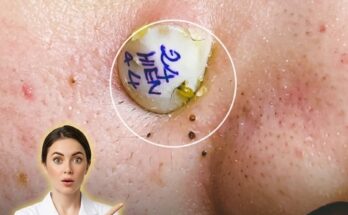
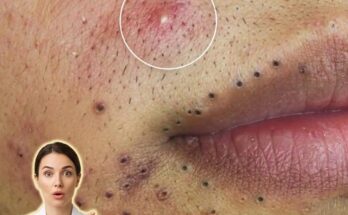
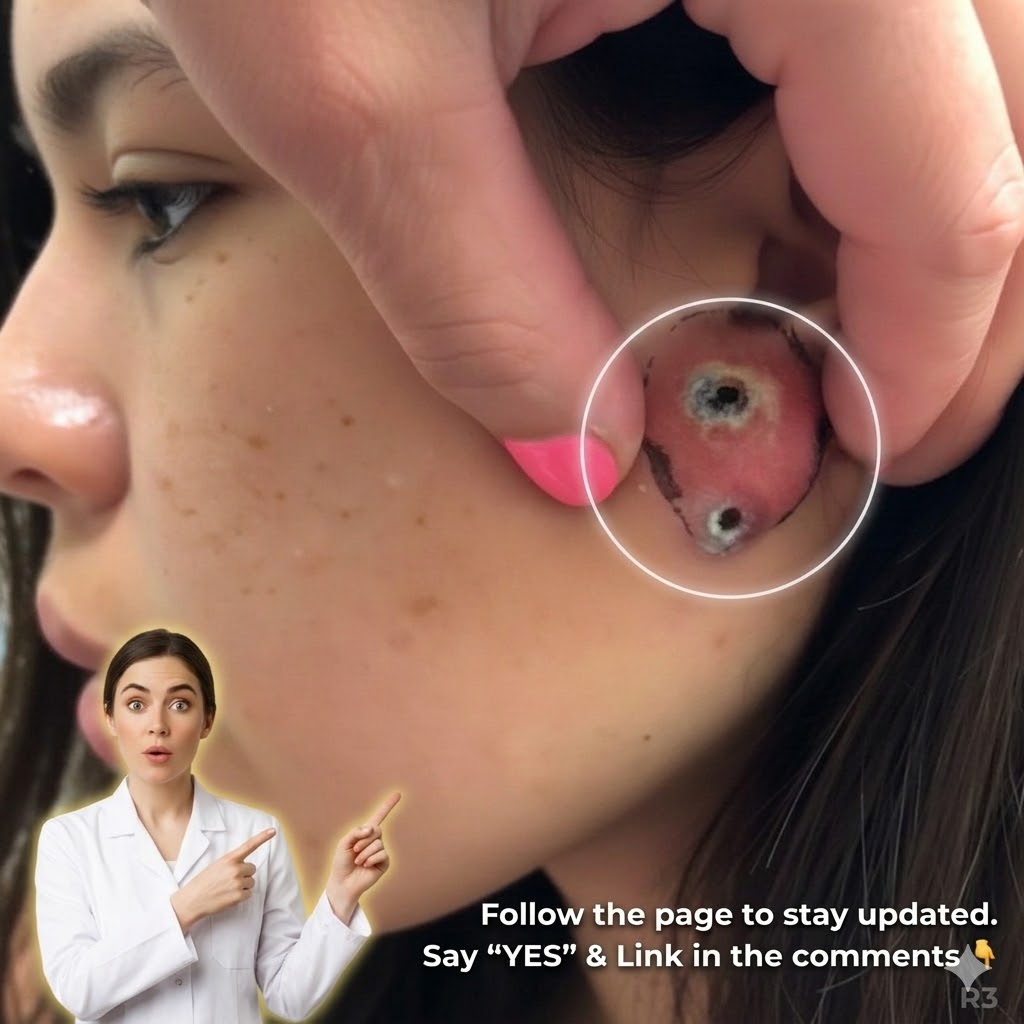
The visibility of pores is closely related to the structure and function of the pilosebaceous unit, which includes the hair follicle and its associated sebaceous gland. Pores are not openings that can open or close, but rather fixed structures that can appear more or less noticeable depending on what is happening داخل them and around them. When sebum production increases and mixes with dead skin cells due to impaired shedding, the pore can become filled and stretched. This process, known as follicular keratinization, contributes to clogged pores and comedones, which make pores appear larger and more defined on the skin surface.
One of the primary contributing factors is excess sebum production, often influenced by hormones, particularly androgens. Individuals with oily skin tend to have more active sebaceous glands, which can lead to persistent pore filling and expansion. Over time, repeated stretching from oil and debris may make pores appear permanently enlarged. In addition, the accumulation of oxidized material داخل pores can lead to blackheads, which further increase their visibility due to the contrast against surrounding skin.
The condition of the skin barrier also plays an important role. When the barrier is compromised بسبب over-exfoliation, harsh cleansers, or environmental stress, the skin may become dehydrated and irritated. This can trigger compensatory oil production, worsening pore congestion. At the same time, inflammation can affect the आसपास tissue, making pores look more prominent. Aging is another factor, as collagen and elastin, which provide structural support to the الجلد, gradually decline. This loss of support can cause pores to appear larger and less firm over time.
Environmental and lifestyle factors can further influence pore visibility. High humidity and الحرارة can increase sebum production, while pollution may contribute to oxidative stress and buildup داخل pores. Inconsistent skincare habits, such as inadequate cleansing or frequent switching of products, can disrupt skin balance and contribute to ongoing congestion. Genetic predisposition also plays a role, as pore size and oil production levels are partly inherited traits.
From a treatment perspective, managing pore visibility focuses on reducing congestion and supporting skin structure rather than attempting to “shrink” pores. Ingredients such as salicylic acid are commonly used because they can penetrate into pores and help dissolve oil and debris. Retinoids are often recommended to normalize cell turnover and improve the appearance of pores over time by reducing clog formation. Niacinamide may help regulate oil production and support the skin barrier, while consistent sunscreen use protects collagen from UV-related breakdown. Professional treatments, such as chemical peels or laser therapies, may also be considered in certain cases to improve skin texture and firmness.
It is important to maintain realistic expectations, as pores cannot be permanently reduced in size. However, with consistent care that targets oil control, cell turnover, and barrier health, their appearance can become less noticeable. Overly aggressive treatments may lead to irritation and worsen the overall look of the skin, making a balanced and sustainable routine more effective in the long term. For individuals with persistent concerns or significant acne, consultation with a qualified dermatologist can help guide appropriate treatment choices.