Video 1
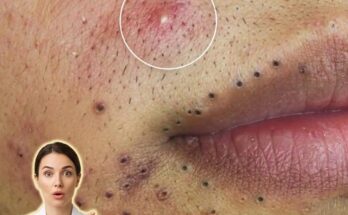
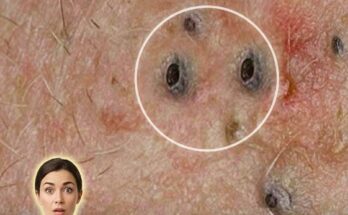
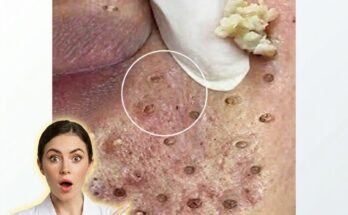
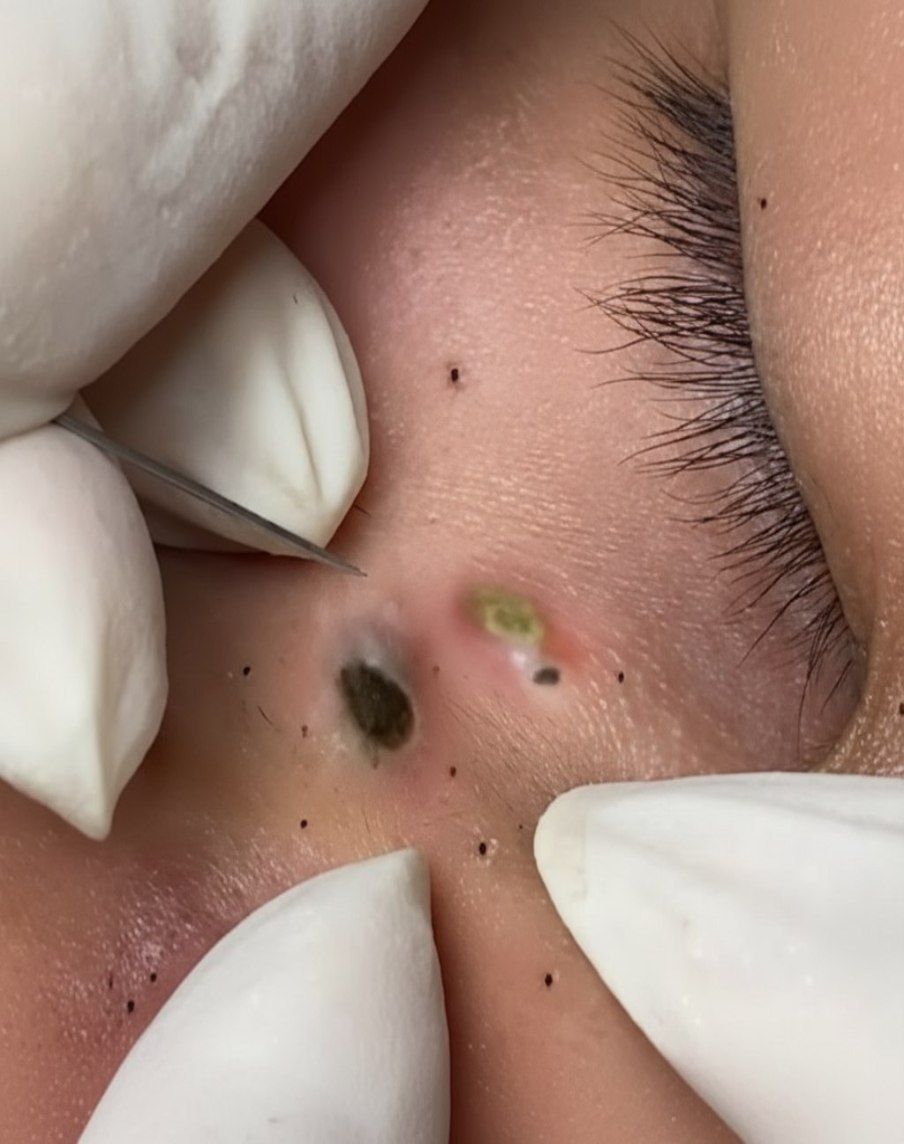
Pores are small openings of the pilosebaceous unit, where hair follicles and sebaceous glands release sebum onto the skin’s surface. Their visibility is largely influenced by how much oil is produced and how the surrounding skin structure behaves. When excess sebum combines with dead skin cells through a process known as follicular keratinization, it can lead to clogged pores or comedones such as blackheads and whiteheads. As pores become filled and stretched, they may appear larger, especially under certain lighting or when the skin loses elasticity over time.
Several factors can contribute to the appearance of enlarged pores. Increased sebum production, often driven by hormonal fluctuations, is a primary influence, particularly in individuals with oily or acne-prone skin. Genetics also play a significant role in determining pore size and skin thickness. Environmental factors such as sun exposure can gradually weaken collagen and elastin, reducing skin firmness and making pores more noticeable. In addition, improper skincare habits, including overly harsh cleansing or skipping exfoliation, may disrupt the skin barrier and lead to buildup within pores, further emphasizing their appearance .
Managing pore appearance typically focuses on keeping pores clear and supporting overall skin health rather than physically shrinking them, as pore size is largely fixed. Ingredients such as salicylic acid, a beta hydroxy acid, are commonly used to penetrate into the pore lining and help dissolve excess oil and debris. Retinoids may support cell turnover and reduce the formation of clogged pores over time, which can make the skin appear smoother. Niacinamide is often recommended for its ability to help regulate oil production and improve skin texture, while also supporting the skin barrier. Consistent but gentle cleansing is important to remove daily buildup without causing irritation that could trigger increased oil production.
Professional treatments may also be considered when topical care alone is insufficient. Chemical peels, particularly those containing salicylic acid or glycolic acid, can help exfoliate the skin more deeply and improve pore clarity. Procedures such as laser resurfacing or microneedling may stimulate collagen production, which can improve skin firmness and reduce the visual prominence of pores. These options should be approached with guidance from qualified dermatology professionals, especially for individuals with sensitive or acne-prone skin.
It is important to maintain realistic expectations when addressing pore visibility. While skincare can significantly improve how pores look by reducing congestion and enhancing skin texture, it does not permanently eliminate or close them. Overly aggressive treatments may lead to irritation, which can worsen oil production and counteract progress. A consistent, balanced routine that supports the skin barrier and minimizes clogging is generally the most effective long-term strategy for improving overall skin appearance.