Video 1
Video 2
Video 3
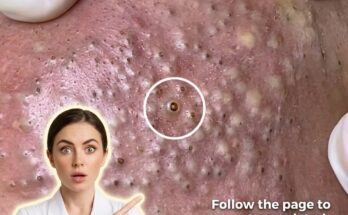
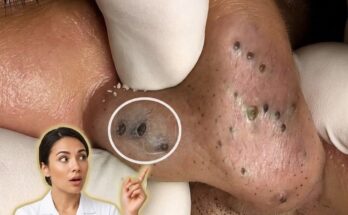
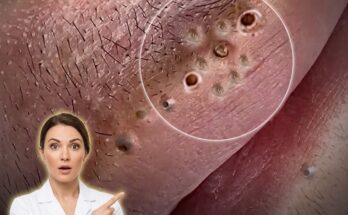
Post-workout skincare is closely tied to how the skin responds to heat, sweat, and increased sebum production. During exercise, body temperature rises, leading to dilation of pores and an increase in sweat secretion. Sweat itself is not inherently harmful, but when it mixes with excess oil, dead skin cells, and bacteria on the skin’s surface, it can contribute to follicular congestion. This environment may promote the formation of comedones such as blackheads and whiteheads, and in some cases trigger inflammatory acne lesions, particularly in individuals with acne-prone or oily skin.
The role of sweat evaporation and friction is also important. When sweat remains on the skin for extended periods, especially under occlusive clothing or tight workout gear, it can create a humid microenvironment that encourages bacterial proliferation. Mechanical friction from fabrics or repeated contact, such as wiping the face with towels or touching the skin with unclean hands, may further irritate hair follicles. This combination of moisture, heat, and friction is sometimes associated with acne mechanica, a form of acne triggered by physical stress on the skin. Environmental factors such as gym equipment, shared surfaces, and airborne impurities may also contribute to post-exercise skin congestion if hygiene practices are not maintained.
A consistent post-workout skincare routine is often recommended to help reduce these risks and support the skin barrier. Gently cleansing the skin soon after exercise can help remove sweat, excess oil, and debris before they settle into pores. A mild, non-comedogenic cleanser is typically preferred, particularly one that contains ingredients such as salicylic acid, which may help dissolve oil within pores and reduce the likelihood of clogged follicles. Over-cleansing or using harsh scrubs immediately after exercise may disrupt the skin barrier and increase irritation, so a balanced approach is important.
In some cases, incorporating leave-on treatments may help maintain clearer skin. Ingredients such as benzoyl peroxide are commonly used to reduce acne-causing bacteria, while retinoids may support normal cell turnover and help prevent the buildup of dead skin cells within pores. Niacinamide is often included in post-workout routines due to its potential to regulate oil production and support barrier function. Lightweight, non-comedogenic moisturizers can help restore hydration without contributing to pore congestion, which is particularly important after sweating, as dehydration may signal the skin to produce more oil.
Hygiene habits surrounding workouts can also influence skin outcomes. Wearing breathable, moisture-wicking fabrics may help reduce prolonged skin contact with sweat. Changing out of damp clothing promptly and avoiding prolonged contact with sweaty surfaces can further minimize irritation. Regularly cleaning items such as gym towels, headbands, and pillowcases may reduce exposure to bacteria and residue that can contribute to breakouts over time.
It is important to recognize that while post-workout skincare may help reduce acne triggers, it does not guarantee prevention of all breakouts. Acne is a multifactorial condition influenced by hormones, genetics, and overall skin physiology. Individuals experiencing persistent or severe acne may benefit from consulting a qualified dermatologist, who can recommend tailored treatments based on skin type and acne severity. A consistent, gentle routine combined with realistic expectations is often the most effective approach for maintaining skin health in the context of regular physical activity