Video 1
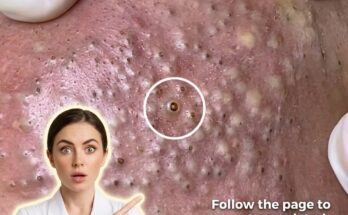
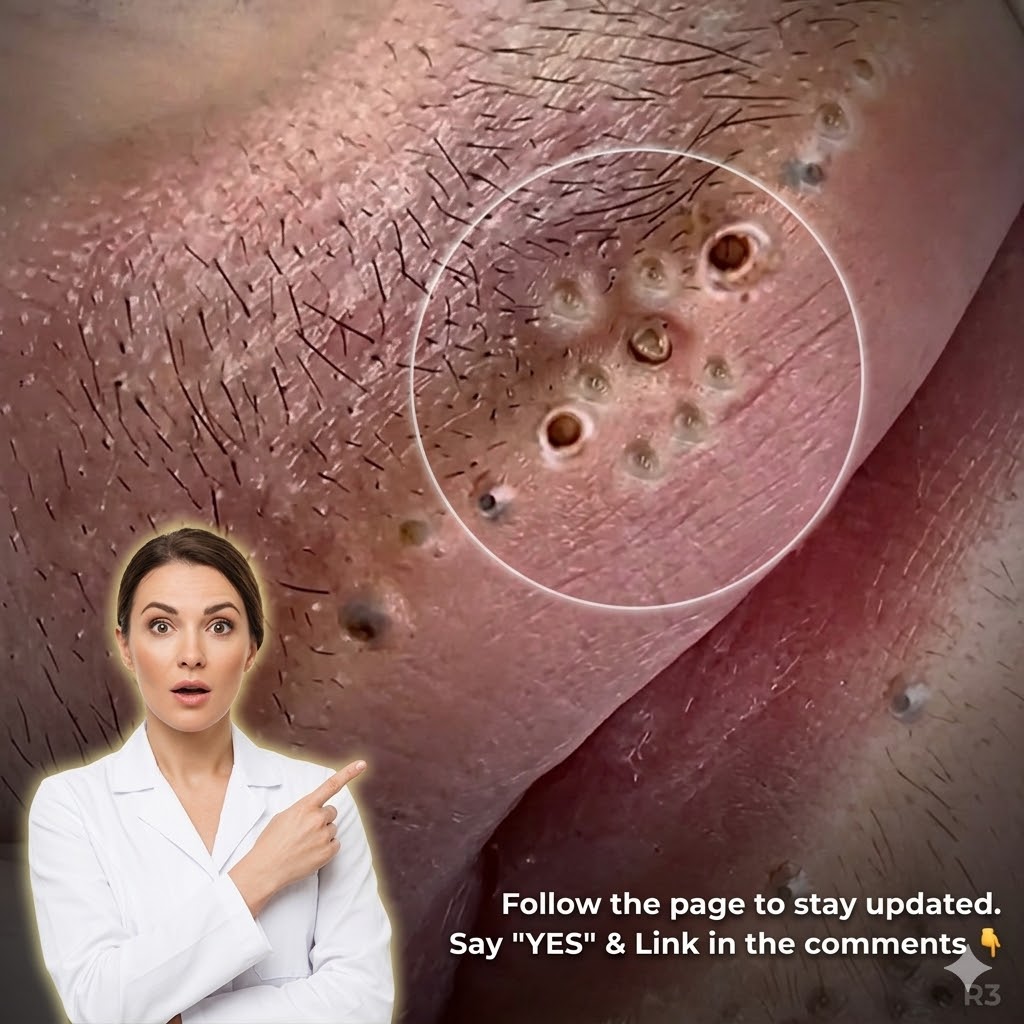
Daily habits can influence acne through their effects on sebum production, follicular keratinization, bacterial activity, and the integrity of the skin barrier. Acne develops when excess oil combines with dead skin cells inside the pore, forming comedones such as blackheads and whiteheads. When this environment supports the growth of Cutibacterium acnes, inflammation may follow, leading to more visible breakouts. Many everyday behaviors subtly alter these processes, either helping maintain balance or contributing to congestion and irritation.
One of the most influential daily factors is how the skin is cleansed. Overwashing or using harsh cleansers can strip the skin barrier, leading to increased transepidermal water loss and compensatory oil production. This may worsen oily skin and contribute to clogged pores over time. On the other hand, insufficient cleansing allows sweat, environmental debris, sunscreen, and makeup to accumulate, which can mix with sebum and promote comedone formation. A consistent but gentle cleansing routine is often recommended to maintain balance without disrupting barrier function.
Touching the face frequently is another common habit that may contribute to acne. Hands carry oils, bacteria, and environmental residues that can transfer onto the skin, increasing the likelihood of pore blockage and inflammation. Similarly, habits such as resting the face on surfaces like phones, pillowcases, or hands can create localized friction and occlusion, which may aggravate breakouts, particularly in acne-prone areas.
Sleep patterns also play a role in skin regulation. Inadequate sleep is associated with increased stress hormone levels, including cortisol, which can stimulate sebaceous gland activity and promote inflammation. Poor sleep may also impair skin repair processes, making it more difficult for the skin to recover from existing lesions. Consistently changing pillowcases and maintaining a clean sleep environment may help reduce prolonged exposure to oil and bacteria.
Dietary habits can influence acne in some individuals, particularly diets high in refined sugars or high-glycemic-index foods. These foods may increase insulin levels, which in turn can stimulate androgen activity and sebum production. While the relationship between diet and acne varies between individuals, maintaining a balanced diet with stable blood sugar levels is often considered supportive of overall skin health. Hydration is also relevant, as adequate water intake helps support normal skin function, although it does not directly treat acne.
Exercise can have both beneficial and aggravating effects depending on post-workout habits. Physical activity increases circulation and may support overall skin health, but leaving sweat on the skin for extended periods can contribute to clogged pores. Wearing tight or non-breathable clothing may also trap heat and moisture, creating an environment that supports acne formation, particularly on the body.
Skincare product usage is another daily factor with significant impact. Using too many active ingredients, such as exfoliating acids or retinoids, without proper spacing or tolerance can lead to irritation and barrier damage. This may mimic or worsen acne by increasing redness, sensitivity, and inflammation. Conversely, incorporating evidence-based ingredients such as salicylic acid, benzoyl peroxide, retinoids, and niacinamide in a controlled and consistent manner is commonly recommended for managing acne and maintaining clear pores.
Haircare habits can also contribute, especially when oils, conditioners, or styling products come into contact with the skin. These substances may be occlusive and can clog pores along the hairline, forehead, and back. Regularly washing hair and being mindful of product residue can help reduce this type of acne, often referred to as pomade acne.
Environmental exposure throughout the day, including pollution and humidity, may further influence acne. Pollutants can adhere to the skin and contribute to oxidative stress and pore congestion, while humid climates may increase sweat and oil production. Daily cleansing and the use of non-comedogenic products are often recommended to minimize these effects.
Managing acne through daily habits involves consistency rather than aggressive intervention. The skin typically responds gradually to routine changes, and improvements may take several weeks to become noticeable. Overcorrecting with excessive treatments can disrupt the skin barrier and prolong the cycle of breakouts. For persistent or severe acne, consultation with a qualified dermatologist is advisable to develop a tailored and evidence-based treatment plan.