Video 1
Video 2
Video 3
Video 4
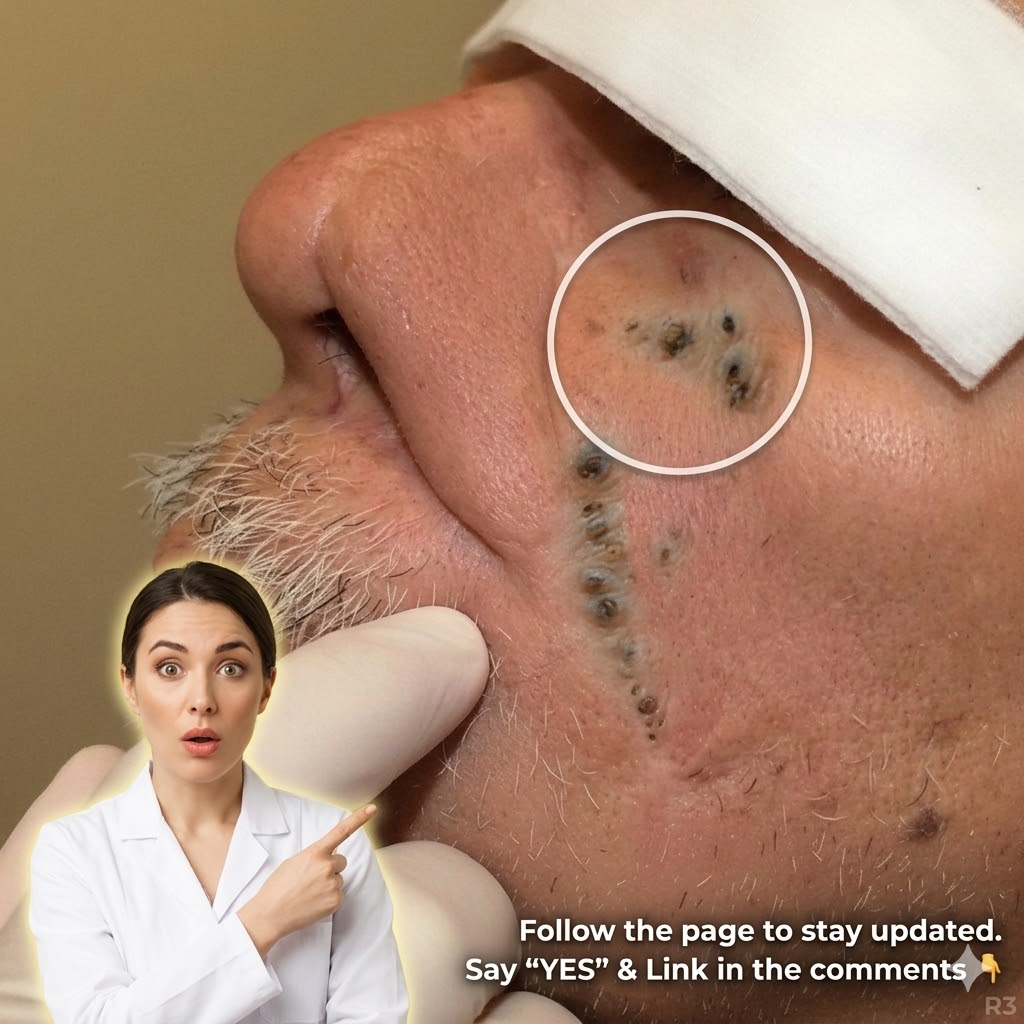
Acne-prone skin is influenced by a combination of excess sebum production, abnormal shedding of dead skin cells within the follicle, bacterial activity, and inflammation. When pores become clogged with oil and keratinized cells, comedones such as blackheads and whiteheads can form, and in some cases progress into inflamed lesions. A simple skincare routine is often beneficial because it helps regulate these processes without overwhelming the skin barrier, which plays a key role in maintaining balance and reducing irritation.
A consistent routine typically begins with gentle cleansing. Cleansers help remove excess oil, environmental debris, and residual skincare products that may contribute to pore congestion. However, overly harsh or frequent cleansing can disrupt the skin barrier, leading to increased oil production and sensitivity. This is why mild, non-stripping cleansers are commonly recommended for acne-prone skin, especially those formulated to support the skin’s natural pH and barrier function.
Targeted treatment is the next important step. Ingredients such as salicylic acid are often used because they are oil-soluble and can penetrate into pores to help dissolve debris and reduce comedone formation. Benzoyl peroxide may help reduce acne-causing bacteria and inflammation, while retinoids are commonly recommended for their ability to normalize cell turnover and prevent clogged pores. Niacinamide is another supportive ingredient that may help regulate sebum production and reduce redness without causing significant irritation when used appropriately.
Moisturizing is frequently overlooked but plays a critical role in acne management. Even oily or acne-prone skin can become dehydrated, particularly when active treatments are used. A lightweight, non-comedogenic moisturizer helps maintain the integrity of the skin barrier, which can reduce irritation and support overall skin resilience. When the barrier is compromised, the skin may respond with increased oil production, potentially worsening breakouts.
Sun protection is also an essential component of a simple routine. Ultraviolet exposure can contribute to inflammation, post-inflammatory hyperpigmentation, and barrier damage. Using a non-comedogenic sunscreen may help protect the skin while preventing long-term complications associated with acne lesions.
External factors such as hormonal fluctuations, diet, stress, and environmental conditions can also influence acne severity. While skincare plays an important role, it works best when combined with consistent habits and realistic expectations. Improvements often take several weeks, as the skin requires time to respond to treatment and normalize its renewal cycle.
A simplified routine can be more effective than a complex one, particularly for individuals prone to irritation or over-treatment. Using too many active ingredients at once may disrupt the skin barrier and worsen inflammation rather than improve acne. For persistent or severe acne, consultation with a qualified dermatologist is often recommended to explore prescription treatments or tailored approaches based on individual skin needs.