Video 1
Video 2
Video 3
Video 4
Hydration plays a fundamental role in maintaining skin function, particularly through its influence on the skin barrier, cellular turnover, and sebum regulation. The outermost layer of the skin, known as the stratum corneum, relies on adequate water content to remain flexible and intact. When hydration levels are sufficient, this layer effectively limits transepidermal water loss and protects against environmental irritants. In contrast, dehydrated skin can become more permeable and prone to microdamage, which may trigger inflammation and disrupt normal follicular processes involved in acne development.
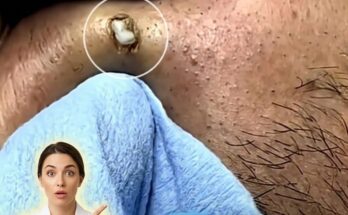
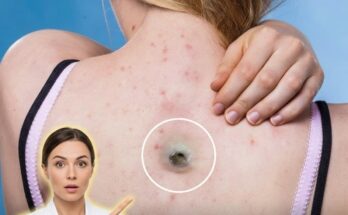
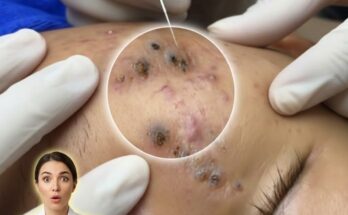
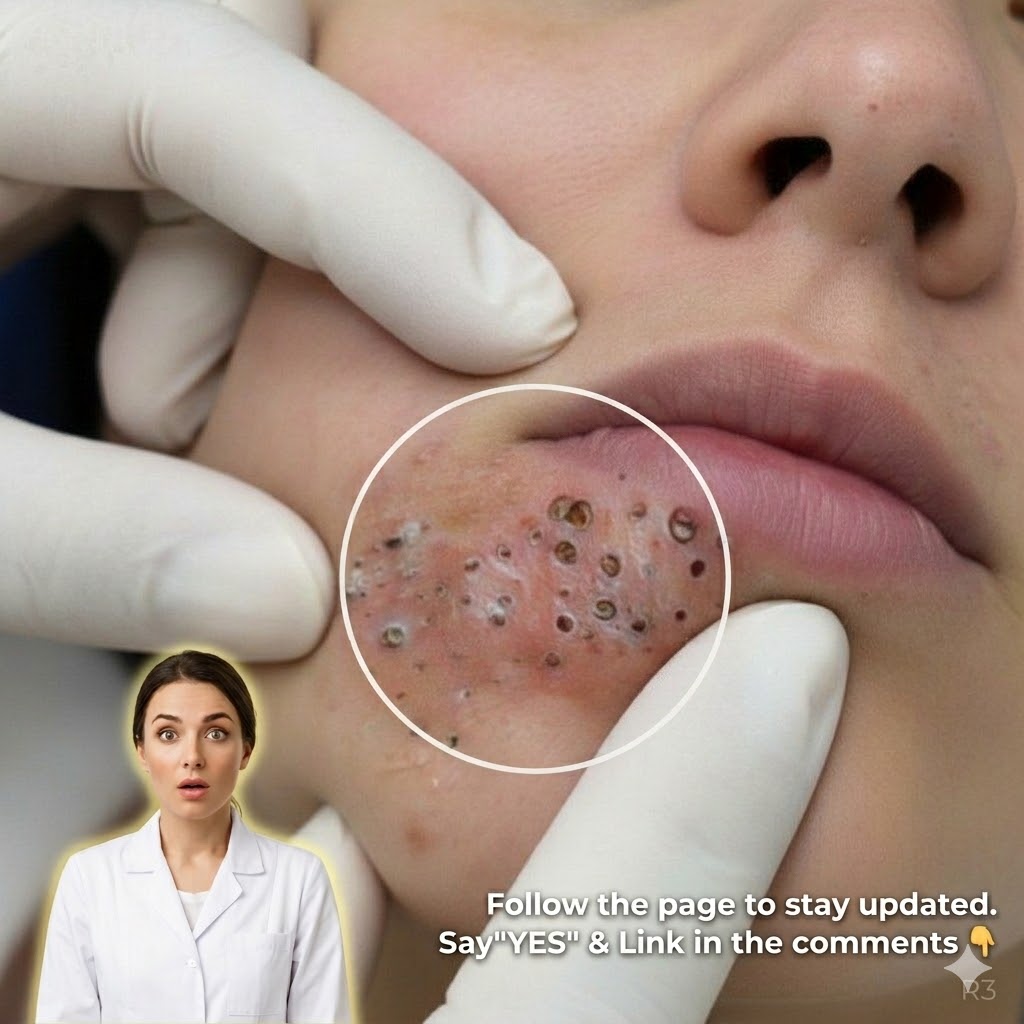
Water balance within the skin is closely tied to natural moisturizing factors, lipids such as ceramides, and the organization of corneocytes. When hydration is compromised, the skin may respond by increasing sebum production in an attempt to compensate for dryness. This excess oil, combined with impaired shedding of dead skin cells, can contribute to follicular keratinization and clogged pores. As a result, dehydration may indirectly promote the formation of comedones, including blackheads and whiteheads, particularly in individuals with acne-prone or oily skin types.
Several factors influence skin hydration levels, including environmental conditions, skincare habits, and internal physiology. Low humidity, excessive cleansing, and the use of harsh or alcohol-based products can strip the skin of essential moisture. At the same time, insufficient use of moisturizers or an overreliance on strong active ingredients such as retinoids or exfoliating acids without proper barrier support may worsen dehydration. Hormonal fluctuations and genetic predisposition can also affect how well the skin retains water, further influencing acne patterns and skin sensitivity.
Supporting skin hydration is an important component of managing acne and maintaining overall skin health. Topical ingredients such as hyaluronic acid, glycerin, and panthenol are commonly used to attract and retain water within the skin, while occlusive and emollient ingredients like ceramides and fatty acids help reinforce the barrier and reduce water loss. Niacinamide is often recommended for its ability to improve barrier function and regulate sebum production, making it particularly relevant for individuals dealing with both dehydration and breakouts. Gentle cleansing practices and the consistent use of a non-comedogenic moisturizer can help restore balance without exacerbating clogged pores.
In some cases, dermatological treatments may be adjusted to account for hydration status. For example, individuals using benzoyl peroxide or salicylic acid may benefit from pairing these treatments with barrier-supportive products to reduce irritation and maintain skin integrity. Hydration does not directly cure acne, but it creates a more stable skin environment that may improve tolerance to treatments and reduce the likelihood of inflammation-driven flare-ups.
Maintaining proper hydration requires a balanced approach rather than excessive product use. Overloading the skin with multiple hydrating layers without addressing underlying barrier damage may not yield meaningful improvement. Instead, consistent, simple routines that prioritize barrier health tend to be more effective over time. Individuals experiencing persistent dryness, irritation, or worsening acne should consider consulting a qualified dermatologist to ensure that both hydration and acne management strategies are appropriately aligned.