Video 1
Video 2
Video 3
Video 4
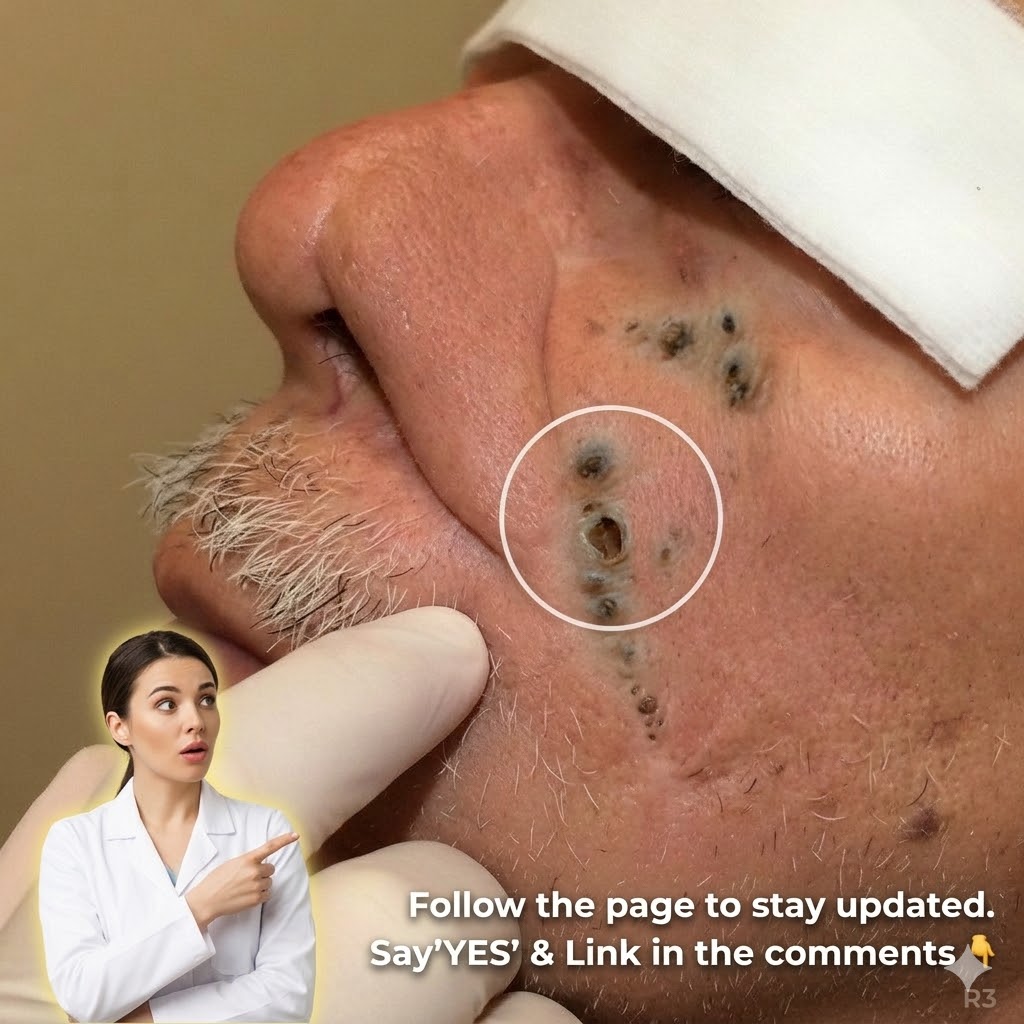
Diet may influence acne through several interconnected biological mechanisms involving hormones, inflammation, and sebum production. The skin’s oil glands are sensitive to hormonal signals, particularly insulin and insulin-like growth factor 1 (IGF-1). Diets that rapidly raise blood sugar levels can increase these hormones, which may stimulate sebaceous glands to produce more oil. Excess sebum, combined with abnormal shedding of skin cells inside pores, can lead to clogged follicles, forming comedones such as blackheads and whiteheads. This environment also supports the growth of acne-related bacteria and promotes inflammation, which contributes to more noticeable breakouts.
Certain dietary patterns are commonly associated with these processes. High-glycemic foods, including refined carbohydrates and sugary snacks, are often linked to increased insulin activity and may worsen acne in some individuals. Dairy products have also been studied due to their potential to influence hormonal pathways, particularly IGF-1 signaling, although responses can vary significantly between individuals. At the same time, diets low in essential nutrients, such as zinc, omega-3 fatty acids, and antioxidants, may reduce the skin’s ability to regulate inflammation and maintain a healthy barrier, indirectly contributing to acne development.
It is important to recognize that diet is only one factor among many that affect acne. Genetics, hormonal fluctuations, stress, and skincare habits all play substantial roles. For example, even with a well-balanced diet, using comedogenic skincare products or over-cleansing the skin can disrupt the barrier and worsen breakouts. Conversely, a consistent skincare routine that includes ingredients such as salicylic acid to help unclog pores, benzoyl peroxide to reduce acne-causing bacteria, and retinoids to normalize cell turnover may help manage acne regardless of dietary influences. Niacinamide is also commonly used to support barrier function and reduce inflammation, which can complement both skincare and dietary approaches.
Adjusting dietary habits may support overall skin health, particularly when focusing on balanced meals with whole foods, stable blood sugar levels, and anti-inflammatory nutrients. However, dietary changes alone are rarely sufficient as a standalone acne treatment. Most individuals benefit from combining nutritional awareness with evidence-based topical treatments or, in more persistent cases, guidance from a dermatologist. Professional evaluation is especially important when acne is severe, scarring, or resistant to over-the-counter options.
Realistic expectations are essential when considering the relationship between diet and acne. Changes in skin condition often take several weeks to become noticeable, and responses can differ widely between individuals. While some people may observe improvements by modifying certain foods, others may see minimal change. A gradual, consistent approach that prioritizes both internal health and appropriate skincare is generally the most reliable strategy. Consulting a qualified healthcare professional can help tailor an approach that considers individual triggers, skin type, and overall health needs