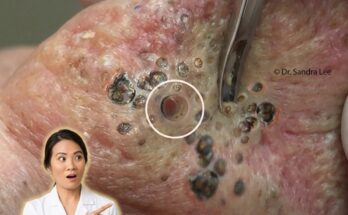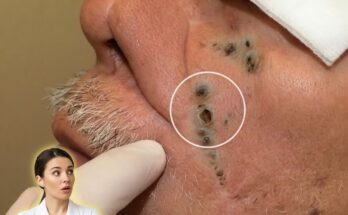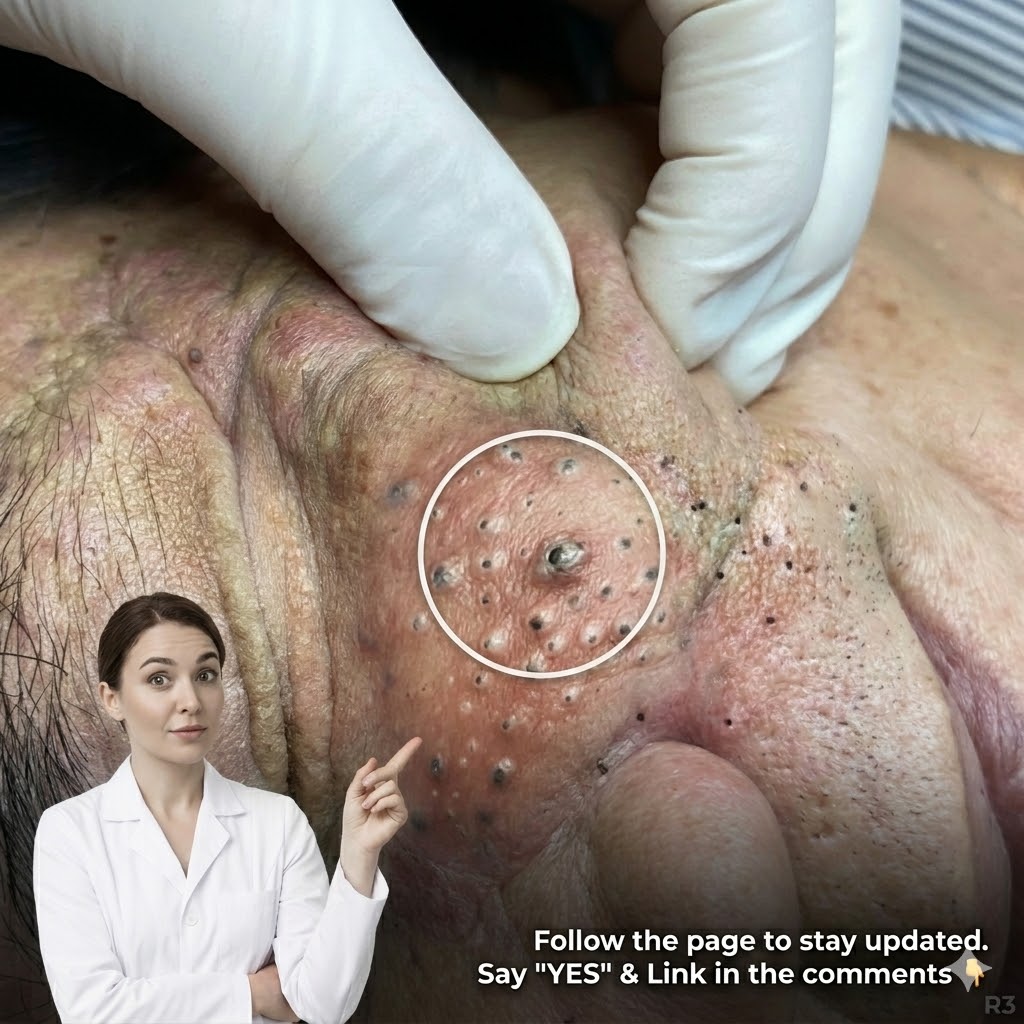
Video 1
Video 2
Video 3
Video 4
Video 5
Mixing active skincare ingredients incorrectly can disrupt the biological balance of the skin, particularly in individuals prone to acne. The skin functions as a protective barrier, and its outermost layer relies on a stable environment to regulate hydration, oil production, and microbial balance. When multiple potent ingredients such as retinoids, salicylic acid, and benzoyl peroxide are layered without proper consideration, they can overwhelm the skin barrier. This disruption may increase transepidermal water loss, trigger irritation, and stimulate inflammatory pathways that contribute to clogged pores and acne formation. Instead of improving breakouts, improper combinations can lead to redness, dryness, and a cycle of worsening comedones and inflammatory lesions.
Several factors influence how the skin reacts to mixed active ingredients. Individuals with oily or acne-prone skin often attempt to combine multiple treatments in an effort to accelerate results, particularly when dealing with blackheads, whiteheads, or persistent breakouts. Hormonal fluctuations may further increase sebum production, making pores more susceptible to congestion. Environmental stressors such as heat and humidity can intensify sensitivity, while genetic predisposition may affect how resilient the skin barrier is under stress. In addition, using too many exfoliating acids or combining ingredients with similar mechanisms of action can amplify irritation rather than enhance efficacy. For example, layering salicylic acid with other exfoliating acids or using benzoyl peroxide alongside retinoids without proper timing may increase dryness and compromise skin tolerance.
From a treatment perspective, many active ingredients used in acne care are effective when used appropriately but require thoughtful integration into a routine. Retinoids are commonly recommended to normalize follicular keratinization and prevent clogged pores, while salicylic acid helps dissolve excess oil within the pore lining. Benzoyl peroxide targets acne-causing bacteria and reduces inflammation. Niacinamide is often used to support the skin barrier and regulate oil production. However, combining these ingredients should be approached gradually, often by alternating usage rather than applying them simultaneously. Dermatology guidance frequently emphasizes introducing one active ingredient at a time, allowing the skin to adapt before adding another. Professional treatments, including prescription retinoids or combination therapies, may be considered when over-the-counter approaches lead to persistent irritation or insufficient results.
It is important to recognize that more active ingredients do not necessarily lead to better outcomes. Skin improvement typically occurs over weeks to months, and excessive use of strong products can delay progress by damaging the barrier and increasing inflammation. A balanced routine that includes gentle cleansing, appropriate moisturizing, and sun protection is often recommended to support treatment efficacy. Individuals experiencing ongoing irritation or worsening acne may benefit from consulting a qualified dermatologist to develop a tailored regimen. Sustainable acne management relies on consistency, patience, and an understanding of how different ingredients interact within the skin’s biological system.