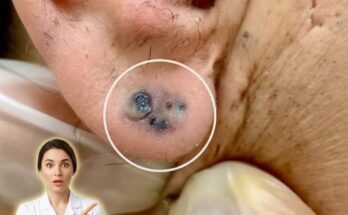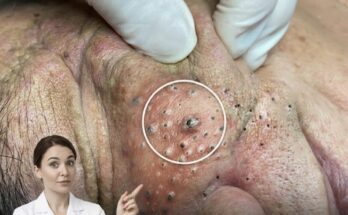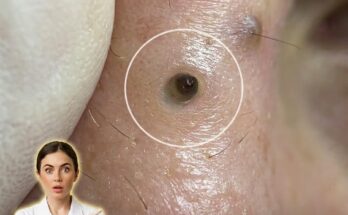
Video 1
Video 2
Video 3
Video 4
Acne lesions develop within the pilosebaceous unit, where excess sebum production, abnormal shedding of keratinocytes, and bacterial activity combine to clog pores and trigger inflammation. When a pimple forms, the follicle wall is already under pressure from accumulated oil, dead skin cells, and inflammatory mediators. Picking or squeezing acne mechanically disrupts this fragile structure, often forcing its contents deeper into the surrounding tissue rather than clearing it from the surface. This deeper rupture intensifies inflammation and increases the likelihood of long-term damage to the skin.
The act of picking introduces additional trauma beyond the initial lesion. Fingernails and tools can create micro-tears in the skin, widening the area of injury and increasing the risk of infection. This added damage stimulates a stronger inflammatory response, which plays a central role in scar formation. Inflammatory signals can break down collagen and elastin within the dermis, the structural components responsible for smooth and resilient skin. When the body attempts to repair this damage, it may produce either too little collagen, leading to atrophic scars such as ice pick or boxcar scars, or too much collagen, resulting in raised hypertrophic or keloid scars.
Several contributing factors influence how likely picking is to cause scarring. Individuals with more inflammatory forms of acne, such as papules, pustules, or nodules, are already at higher risk because these lesions penetrate deeper into the skin. Skin type and genetics also play a role, as some people are more prone to post-inflammatory hyperpigmentation or abnormal scar formation. Repeated picking in the same area further delays healing and increases cumulative damage, making scars more likely and more pronounced over time. Environmental factors, such as UV exposure, can worsen discoloration after picking by stimulating excess melanin production in healing skin.
From a skincare perspective, prevention of both acne and picking-related damage is essential. Ingredients such as salicylic acid may help keep pores clear by exfoliating داخل the follicle, while retinoids are commonly used to normalize keratinization and reduce comedone formation. Benzoyl peroxide may help limit bacterial overgrowth and reduce inflammation, which can make lesions less tempting to pick. Supporting the skin barrier with gentle cleansing and appropriate moisturization is also important, as irritated or overly dry skin may lead to more frequent breakouts and increased urge to manipulate the skin.
For existing acne, non-invasive management is generally preferred over manual extraction at home. Dermatological procedures, such as professional comedone extraction, chemical peels, or laser treatments, are designed to minimize tissue damage while addressing clogged pores and inflammation. In cases where scarring has already occurred, treatments like retinoids, microneedling, or laser resurfacing may help improve skin texture over time, although results can vary and typically require multiple sessions.
It is important to recognize that avoiding picking is a key part of long-term acne management and skin health. While it may seem like a quick solution, the short-term relief often comes at the cost of prolonged healing, increased inflammation, and a higher risk of permanent marks. Consistent, evidence-based skincare and early treatment of acne lesions are generally more effective strategies for maintaining clearer skin and reducing the likelihood of scarring