Video 1
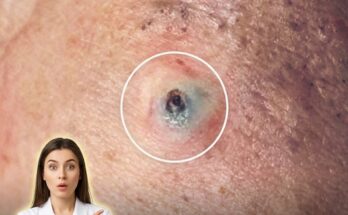
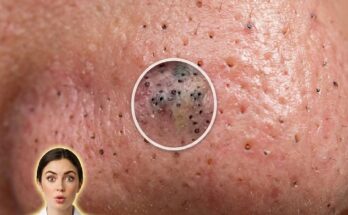
Using multiple skincare products at the same time can unintentionally disrupt the biological processes that keep pores clear and balanced. Acne develops when excess sebum production combines with abnormal shedding of skin cells inside the follicle, leading to clogged pores and the formation of comedones such as blackheads and whiteheads. When too many products are layered together, especially those containing active ingredients, the skin’s barrier function may become compromised. This can increase transepidermal water loss, trigger irritation, and stimulate inflammatory pathways that worsen breakouts rather than improve them.
One of the key issues with overloading a skincare routine is the cumulative effect of overlapping ingredients. Many acne-focused products contain actives such as salicylic acid, benzoyl peroxide, or retinoids, all of which influence cell turnover, oil regulation, or bacterial activity. While each ingredient can be beneficial when used appropriately, combining them excessively or without structure may lead to irritation, dryness, and barrier damage. In response, the skin may produce more sebum as a compensatory mechanism, which can further contribute to clogged pores and persistent acne. Additionally, layering incompatible formulations may alter product absorption or reduce their effectiveness.
External factors can amplify this problem. Individuals with oily skin or genetically higher sebum production may be more prone to trying multiple products in an attempt to control shine and breakouts. Environmental stressors such as heat, humidity, and pollution can also encourage heavier product use, increasing the likelihood of pore congestion. At the same time, social media trends and marketing claims often promote complex routines, which may not align with the skin’s actual needs. Over-cleansing, frequent exfoliation, and the use of multiple serums can collectively weaken the skin barrier and disrupt the balance of the skin microbiome.
A more effective approach typically involves simplifying the routine and focusing on evidence-based ingredients used consistently rather than excessively. Gentle cleansers, non-comedogenic moisturizers, and targeted treatments such as retinoids or salicylic acid are commonly recommended as part of a structured regimen. Niacinamide may help support barrier function and regulate oil production, while benzoyl peroxide can reduce acne-causing bacteria when used appropriately. Introducing one active ingredient at a time allows the skin to adapt and reduces the risk of irritation. Professional treatments, including chemical peels or prescription therapies, may be considered for more persistent or severe acne under the guidance of a qualified dermatologist.
It is important to recognize that more products do not necessarily lead to better results. Skin improvement often depends on consistency, tolerance, and maintaining barrier health rather than maximizing the number of steps. Overuse of active ingredients can delay progress by perpetuating inflammation and sensitivity. A balanced routine that supports the skin’s natural functions is more likely to promote long-term clarity. Individuals experiencing ongoing or worsening acne despite multiple products may benefit from simplifying their regimen and seeking professional advice to ensure treatments are both appropriate and effective.