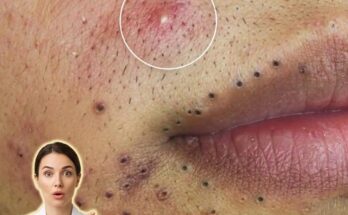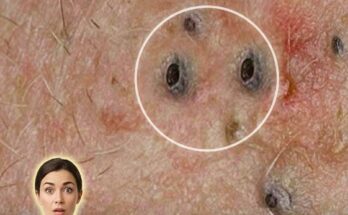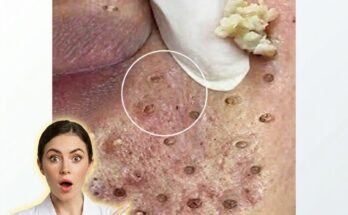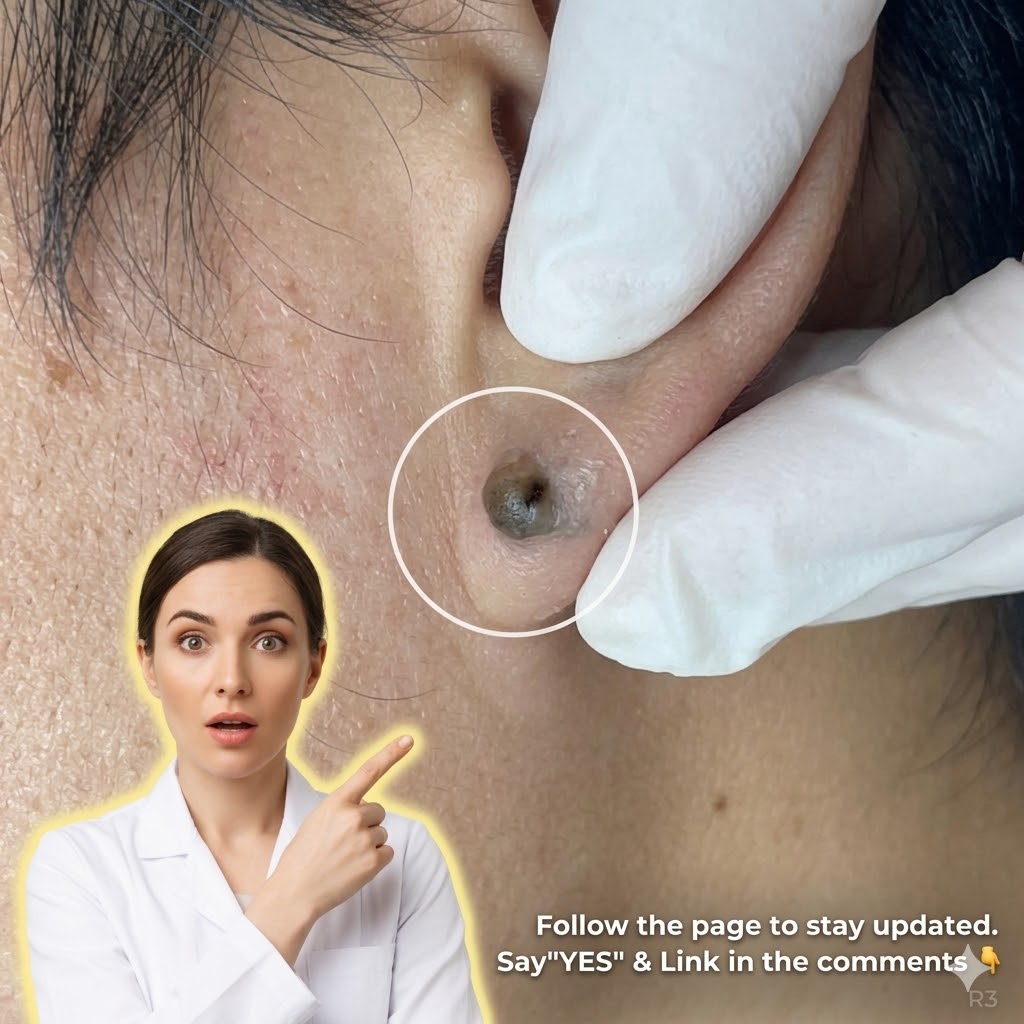
Video 1
Video 2
Video 3
Video 4
Acne develops through a combination of excess sebum production, abnormal shedding of skin cells within the pore, bacterial activity, and inflammation. When dead skin cells and oil accumulate inside the follicle, they form clogged pores that can appear as blackheads, whiteheads, or inflamed lesions. Skincare habits play a significant role in influencing these processes, and certain common mistakes can disrupt the skin barrier or worsen follicular blockage, ultimately contributing to persistent or worsening acne.
One of the most frequent issues is over-cleansing or using overly harsh cleansers. While it may seem logical to remove as much oil as possible, excessive washing or the use of strong foaming agents can strip the skin barrier. This disruption often leads to increased transepidermal water loss and compensatory sebum production, which may further clog pores. Similarly, over-exfoliation with strong acids or physical scrubs can aggravate follicular keratinization, increasing irritation and inflammation rather than improving skin clarity.
Another contributing factor is the misuse or overuse of active ingredients such as retinoids, salicylic acid, or benzoyl peroxide. Although these ingredients are commonly recommended for acne-prone skin, applying them too frequently or layering multiple actives without proper guidance can compromise barrier function. Irritated skin may become more reactive, leading to redness, dryness, and breakouts that resemble or exacerbate acne. Inconsistent use of these treatments can also reduce their effectiveness, as many require regular, controlled application to regulate cell turnover and reduce comedone formation.
The use of comedogenic or unsuitable skincare and cosmetic products is another common mistake. Heavy creams, occlusive makeup, or hair products that come into contact with the skin can contribute to pore blockage, especially in individuals with oily or acne-prone skin. Even products labeled as “natural” or “hydrating” may contain ingredients that are not ideal for certain skin types. In addition, inadequate removal of makeup or sunscreen can allow residue to accumulate within pores, increasing the likelihood of blackheads and whiteheads.
Skipping moisturizer is another often overlooked factor. Many individuals with acne-prone or oily skin avoid moisturizers out of concern that they will worsen breakouts. However, insufficient hydration can impair the skin barrier and lead to increased oil production as the skin attempts to compensate. Using a lightweight, non-comedogenic moisturizer may help maintain barrier integrity and support overall skin balance, which is important in managing acne.
Environmental and behavioral habits also play a role. Frequently touching the face, picking at lesions, or not regularly cleaning items such as pillowcases and phone screens can introduce bacteria and exacerbate inflammation. Additionally, inconsistent sunscreen use can worsen post-inflammatory hyperpigmentation and prolong the visible effects of acne lesions, even if active breakouts are improving.
Addressing these mistakes typically involves simplifying routines and focusing on gentle, consistent care. Evidence-informed approaches often include the use of mild cleansers, appropriate concentrations of active ingredients such as salicylic acid for pore exfoliation or retinoids for regulating cell turnover, and supportive ingredients like niacinamide to help reduce inflammation and support barrier function. For individuals with persistent or severe acne, dermatological treatments such as prescription retinoids, topical or oral antibiotics, or procedures like chemical peels may be considered under professional supervision.
It is important to recognize that improvements in acne take time, as the skin’s renewal cycle spans several weeks. Overcorrecting with aggressive treatments or frequently changing products may delay progress and increase irritation. A balanced approach that supports the skin barrier while targeting the underlying causes of clogged pores is generally more sustainable. Individuals experiencing ongoing or severe acne are encouraged to seek guidance from a qualified dermatologist to ensure that treatment strategies are appropriate and safe.