Video 2
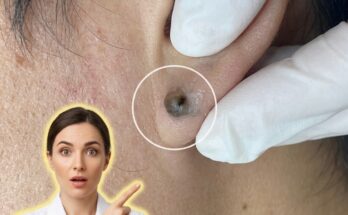
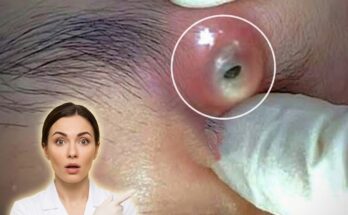
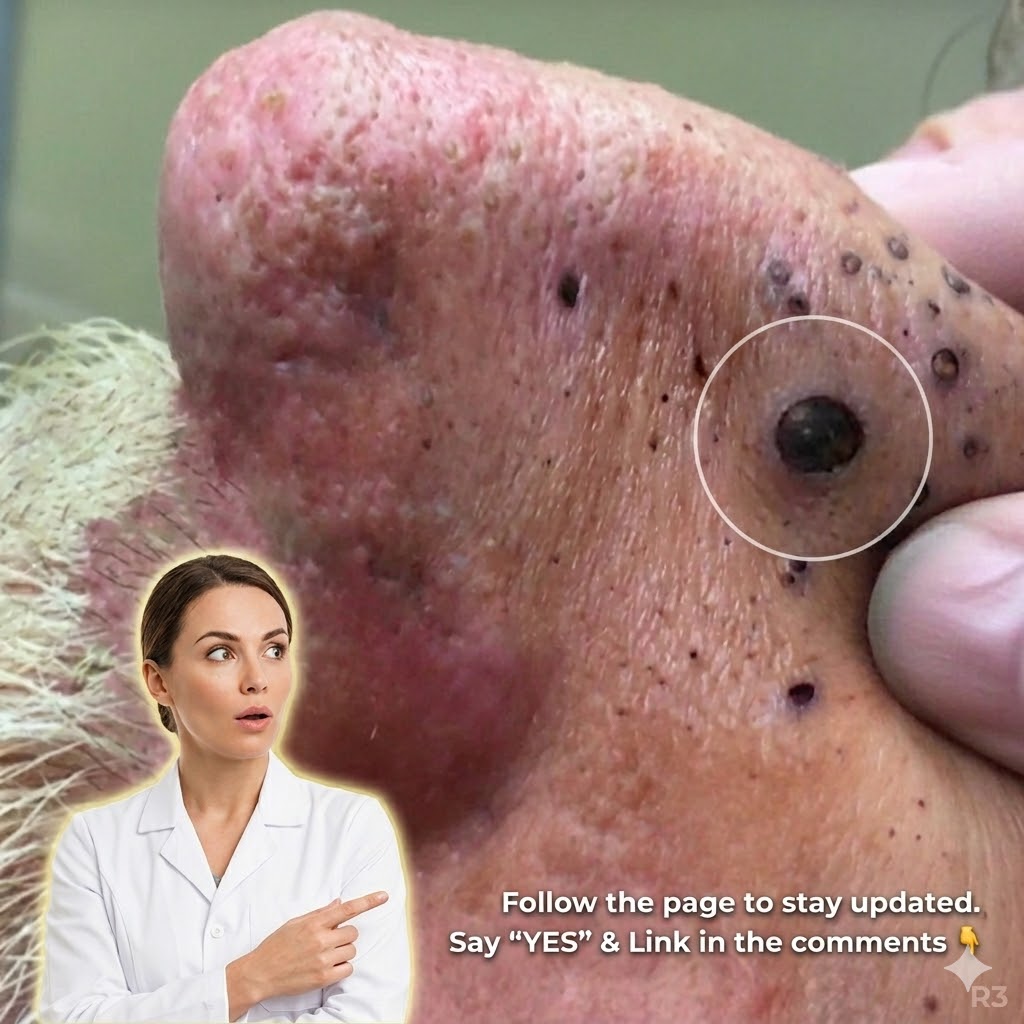
Acne develops through a combination of biological processes that occur within the hair follicle, and some individuals are more prone to these processes than others. The condition typically begins with increased sebum production from the sebaceous glands, which are influenced by hormonal signals, particularly androgens. At the same time, abnormal shedding of skin cells inside the pore, known as follicular keratinization, can lead to blockages. When excess oil and dead skin cells accumulate, they form comedones such as blackheads and whiteheads. This environment can support the growth of bacteria like Cutibacterium acnes, which may trigger inflammation and lead to more noticeable acne lesions.
Genetics plays a significant role in determining how actively sebaceous glands produce oil and how the skin regulates cell turnover. Individuals with a family history of acne often have a higher likelihood of experiencing persistent or more severe breakouts. Hormonal fluctuations are another major factor, which is why acne is common during puberty, menstrual cycles, or periods of hormonal imbalance. These fluctuations can increase oil production and make pores more susceptible to clogging.
Skin type and barrier function also contribute to acne susceptibility. Oily skin types naturally produce more sebum, which can increase the likelihood of clogged pores. However, even individuals with combination or sensitive skin may experience acne if the skin barrier becomes compromised. A weakened barrier can lead to irritation and inflammation, both of which can worsen breakouts. Environmental factors such as humidity, pollution, and occlusive products may further contribute by trapping oil and debris on the skin.
Skincare habits can either help manage or worsen acne-prone conditions. The use of heavy or comedogenic products may contribute to pore blockage, while overly harsh routines can strip the skin and trigger increased oil production as a compensatory response. Ingredients such as salicylic acid are commonly used to help exfoliate داخل the pore and reduce buildup, while benzoyl peroxide may help target acne-causing bacteria. Retinoids are often recommended for regulating cell turnover and preventing the formation of comedones, and niacinamide may help support the skin barrier while reducing inflammation.
Diet and lifestyle factors may also influence acne in some individuals, although responses can vary. High glycemic diets and chronic stress are thought to contribute to hormonal fluctuations and inflammation, which can affect the skin. Sleep quality and overall skin hygiene may further influence how the skin responds to internal and external stressors.
For individuals who are more acne-prone, treatment often involves a combination of consistent skincare and, when necessary, professional guidance. Over-the-counter products may help manage mild to moderate acne, while persistent or severe cases may require prescription treatments such as topical retinoids, oral medications, or in-office procedures. Dermatological treatments are typically tailored based on the type and severity of acne, as well as the individual’s skin characteristics.
It is important to understand that being acne-prone does not mean acne can be permanently eliminated, but it can often be effectively managed with the right approach. Results usually take time, as the skin cycle operates over several weeks, and irritation from overly aggressive treatment can sometimes worsen the condition. A balanced routine that supports the skin barrier while targeting clogged pores and inflammation is generally recommended, and consulting a qualified dermatologist may help guide safe and effective long-term management.