Video 1
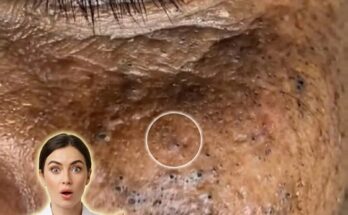
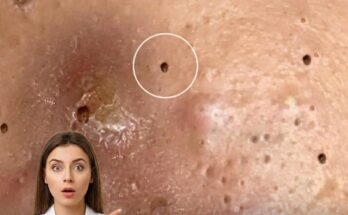
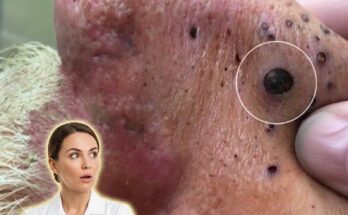
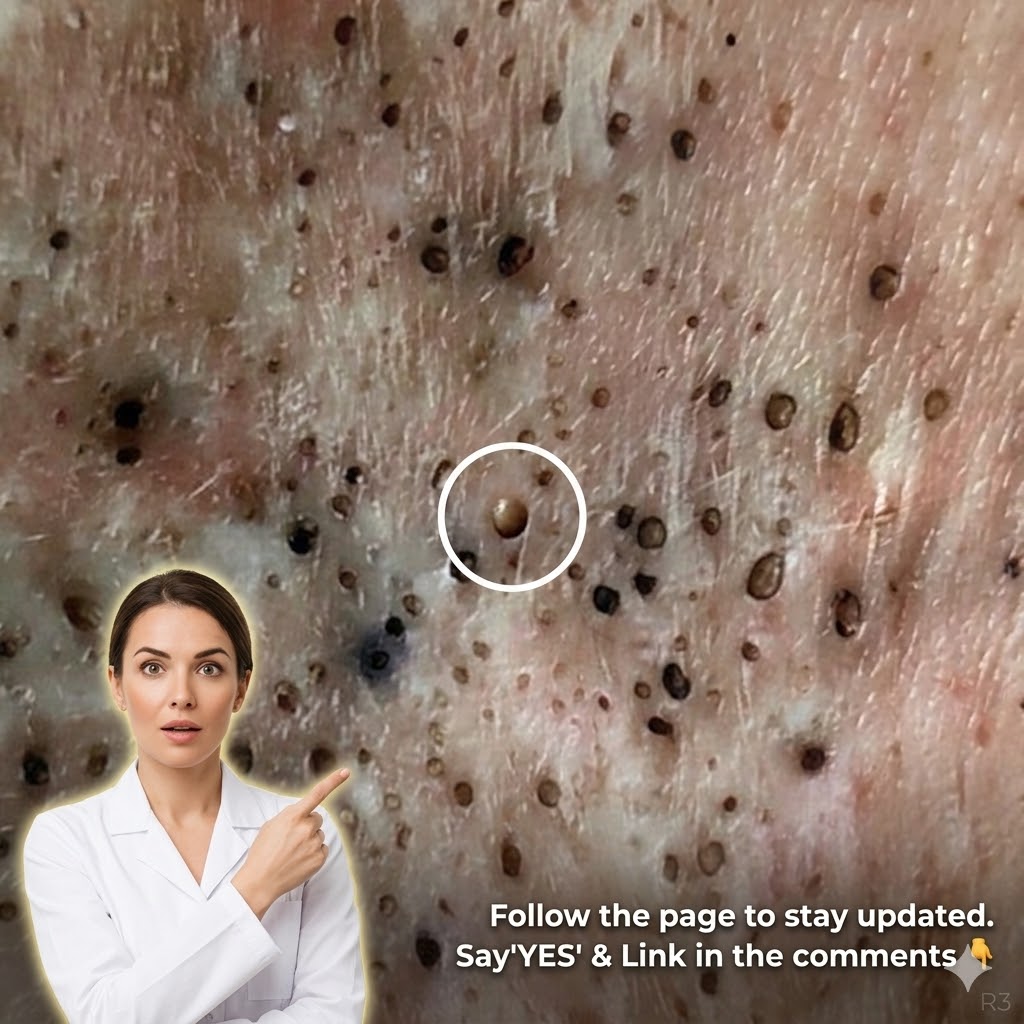
Hormones play a central role in the development of acne by directly influencing the activity of the skin’s oil glands and the behavior of cells within the pores. Androgens, a group of hormones that include testosterone, stimulate sebaceous glands to produce more sebum. While sebum is a natural and necessary component of healthy skin, excess production can mix with dead skin cells inside the follicle, leading to clogged pores. This environment supports the formation of comedones such as blackheads and whiteheads, and may also encourage the growth of acne-associated bacteria, which can trigger inflammation and visible breakouts.
Hormonal fluctuations are particularly noticeable during certain life stages and conditions. Puberty is one of the most common periods when androgen levels rise, which helps explain why acne frequently begins during adolescence. In adults, hormonal changes related to menstrual cycles, pregnancy, or conditions such as polycystic ovary syndrome (PCOS) can contribute to persistent or cyclical breakouts. These fluctuations often lead to increased oiliness and a higher likelihood of clogged pores, especially along the lower face, jawline, and chin. Genetics may also influence how sensitive an individual’s sebaceous glands are to hormonal signals, meaning some people are more prone to hormonally driven acne than others.
Beyond hormones themselves, other contributing factors can interact with hormonal activity to worsen breakouts. Skincare habits that disrupt the skin barrier, such as over-cleansing or using harsh products, may increase irritation and inflammation. Environmental stressors and psychological stress can also influence hormone levels indirectly, potentially exacerbating oil production and inflammatory responses in the skin. Diet and lifestyle factors are still being studied, but they may play a supporting role in how the skin responds to hormonal changes.
Management of hormonally influenced acne often focuses on reducing excess oil, preventing clogged pores, and controlling inflammation. Topical retinoids are commonly recommended because they help normalize the shedding of skin cells داخل the pore, reducing the formation of comedones. Ingredients such as salicylic acid may help exfoliate داخل the pore lining, while benzoyl peroxide is often used to target acne-causing bacteria and reduce inflammation. Niacinamide may support the skin barrier and help regulate oil production, making it a useful addition for oily or acne-prone skin. In more persistent cases, dermatologists may consider prescription treatments, including hormonal therapies or oral medications that address the underlying hormonal influence more directly.
It is important to understand that hormonal acne often requires consistent, long-term management rather than quick fixes. Improvements typically occur gradually as the skin cycle normalizes and inflammation is controlled. Overly aggressive treatment can damage the skin barrier and may worsen sensitivity or breakouts. Individuals experiencing persistent or severe acne are encouraged to consult a qualified healthcare professional, as personalized treatment plans can help address both the hormonal and skin-related aspects safely and effectively.