Video 1
Video 2
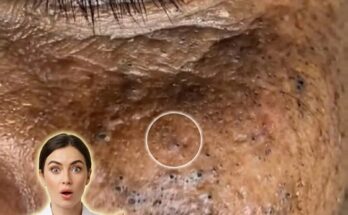
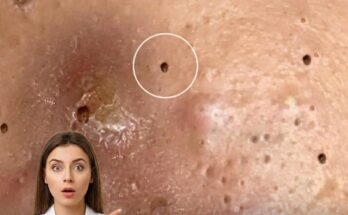
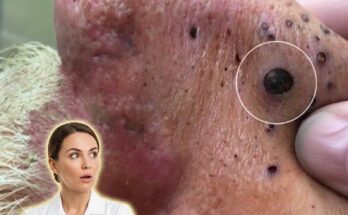
Inflammation plays a central role in the development and progression of acne, transforming what begins as a simple clogged pore into a more visible and sometimes painful lesion. At the biological level, acne often starts with excess sebum production and abnormal shedding of skin cells within the hair follicle. This combination can lead to the formation of comedones, such as blackheads and whiteheads. When the follicle becomes blocked, it creates an environment where Cutibacterium acnes bacteria can thrive. The immune system recognizes this bacterial overgrowth and responds by triggering inflammation, which is characterized by redness, swelling, heat, and sometimes pain.
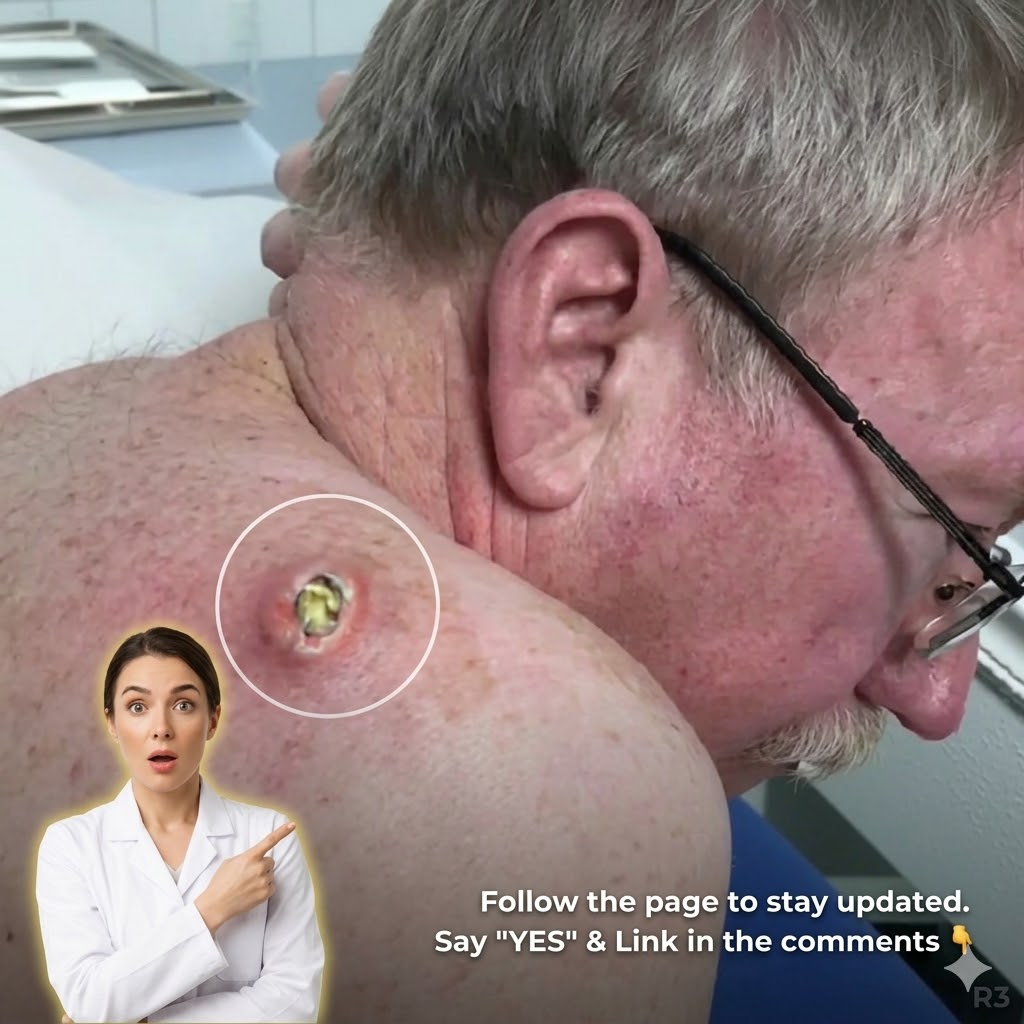
This inflammatory response is not just a surface-level reaction. Immune cells release signaling molecules, such as cytokines, that amplify the response and recruit additional immune activity to the area. While this process is intended to control bacterial growth, it can also damage the surrounding skin tissue. As a result, the follicle wall may rupture, allowing its contents—including bacteria, oil, and cellular debris—to spread into deeper layers of the skin. This escalation often leads to more severe acne lesions, such as papules, pustules, or nodules, which are more likely to leave behind post-inflammatory hyperpigmentation or scarring.
Several contributing factors can intensify inflammation in acne-prone skin. Hormonal fluctuations, particularly androgens, can increase sebum production and make pores more prone to clogging, indirectly fueling inflammation. Skincare habits also play a role; overuse of harsh products or combining too many active ingredients can disrupt the skin barrier, making it more reactive and susceptible to irritation. Environmental stressors such as pollution and UV exposure may further aggravate inflammatory pathways, while genetic predisposition can influence how strongly an individual’s immune system responds to acne-related triggers.
Managing inflammation is therefore a key component of effective acne treatment. Ingredients like benzoyl peroxide are commonly used because they help reduce C. acnes bacteria and have mild anti-inflammatory effects. Salicylic acid may assist by penetrating into pores to clear debris and reduce swelling. Retinoids are often recommended to normalize skin cell turnover, preventing clogged pores and indirectly reducing inflammatory cascades. Niacinamide is another ingredient frequently included in skincare routines due to its ability to support the skin barrier and visibly calm redness. In more persistent or severe cases, dermatologists may consider treatments such as topical or oral medications that target both bacterial activity and inflammation more directly.
It is important to recognize that inflammation can continue even after visible acne lesions have healed, contributing to lingering marks or uneven skin tone. Consistent, balanced skincare that supports the skin barrier while addressing clogged pores can help reduce this risk over time. However, results are often gradual, and overly aggressive treatment can worsen inflammation rather than resolve it. For individuals experiencing persistent, painful, or scarring acne, seeking guidance from a qualified dermatology professional is generally recommended to ensure safe and appropriate care