Video 1
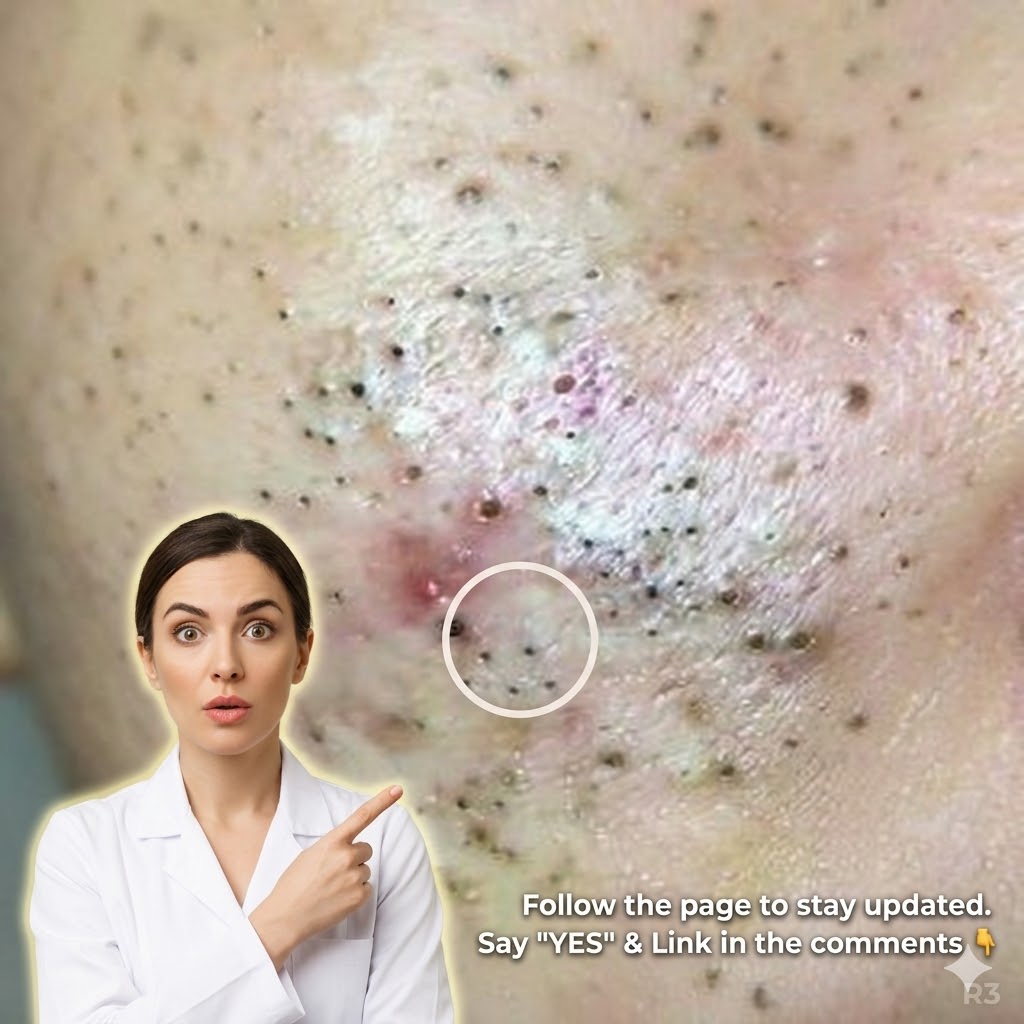
Sebum is an oily substance produced by sebaceous glands that plays a central role in maintaining skin hydration and barrier protection. It is composed of lipids such as triglycerides, wax esters, and squalene, which help reduce water loss and protect the skin from external irritants. Under normal conditions, sebum travels through hair follicles and is released onto the skin surface. However, when sebum production becomes excessive or its composition changes, it can interact with dead skin cells inside the follicle, contributing to clogged pores and the formation of comedones such as blackheads and whiteheads. This process is a key step in the development of acne, as blocked follicles create an environment where bacteria can proliferate and trigger inflammation.
Sebum production is strongly influenced by hormones, particularly androgens, which increase during puberty and may remain elevated in adulthood for some individuals. These hormones stimulate sebaceous glands to enlarge and produce more oil, which is why acne is commonly associated with oily skin. Genetics can also determine how active these glands are, meaning some people are naturally more prone to excess sebum and clogged pores. Environmental factors, including humidity and pollution, may further affect sebum behavior by altering its consistency or increasing oxidative stress on the skin. In addition, certain skincare habits, such as using overly harsh cleansers or stripping products, can disrupt the skin barrier and paradoxically trigger even more oil production as the skin attempts to compensate.
The relationship between sebum and acne is not solely about quantity but also about quality. Changes in sebum composition, such as increased oxidation of lipids like squalene, can make it more comedogenic and more likely to contribute to pore blockages. When combined with abnormal shedding of skin cells within the follicle, known as follicular keratinization, this creates a mixture that can obstruct the pore. This blockage allows Cutibacterium acnes to thrive in the low-oxygen environment, which can lead to inflammatory acne lesions. As inflammation develops, the surrounding skin may become red, swollen, and in some cases, lead to post-inflammatory hyperpigmentation or scarring.
Managing sebum production is a common focus in acne treatment, although it is rarely about eliminating oil entirely. Ingredients such as salicylic acid are often recommended because they are oil-soluble and can penetrate into pores to help dissolve excess sebum and debris. Retinoids are widely used to regulate skin cell turnover, which may help prevent the buildup that contributes to clogged pores. Niacinamide may support oil regulation and reduce inflammation, while benzoyl peroxide is commonly used to target acne-causing bacteria. For individuals with persistent or severe acne, dermatological treatments such as oral medications or hormonal therapies may be considered to address underlying causes of excess sebum.
It is important to recognize that sebum is not inherently harmful and plays a protective role in skin health. Overly aggressive attempts to remove oil can damage the skin barrier, leading to increased sensitivity and potentially worsening acne over time. A balanced approach that includes gentle cleansing, appropriate use of active ingredients, and consistent skincare habits is generally recommended. Results from sebum-regulating treatments often take time, as the skin requires several weeks to adjust and show visible improvement. Individuals experiencing persistent or severe acne are encouraged to consult a qualified healthcare professional for personalized guidance and safe treatment options.