Video 1
Video 2
Video 3
Video 4
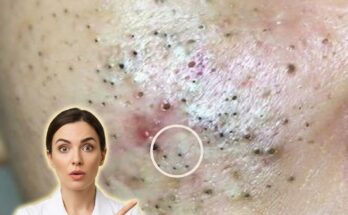
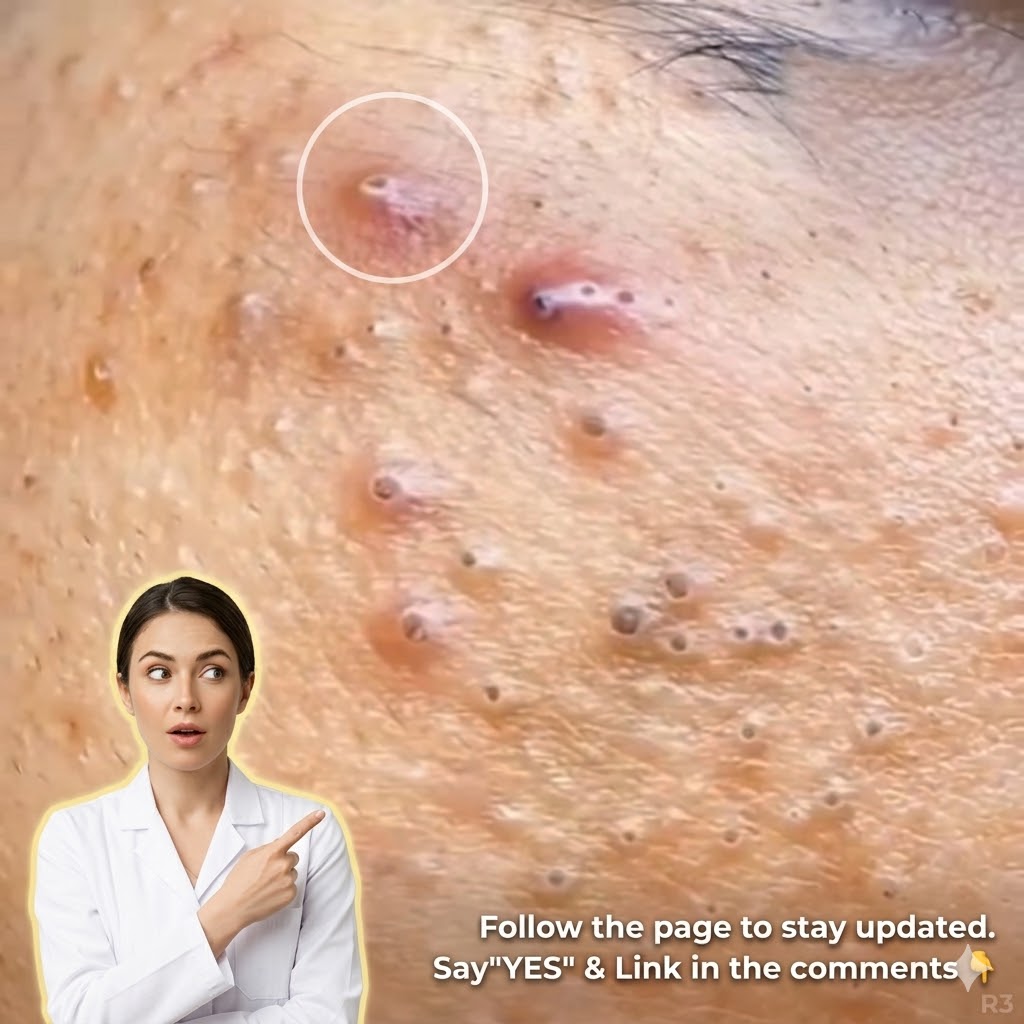
Pores become clogged over time through a gradual biological process involving excess sebum production, abnormal shedding of skin cells, and the accumulation of debris within the hair follicle. Each pore is connected to a sebaceous gland that produces sebum, an oily substance that helps protect and lubricate the skin. Under normal conditions, sebum travels up the follicle and is released onto the skin surface. However, when the rate of sebum production increases and dead skin cells are not shed efficiently, these materials can combine to form a plug within the pore. This process, known as follicular keratinization, is a central mechanism in the formation of comedones, including blackheads and whiteheads.
Over time, several internal and external factors can contribute to this buildup. Hormonal fluctuations, particularly involving androgens, may stimulate sebaceous glands to produce more oil, which is why clogged pores are often associated with adolescence but can persist into adulthood. Genetic predisposition also plays a role, as some individuals naturally produce more sebum or have slower skin cell turnover. Environmental factors such as humidity and pollution can further exacerbate the issue by increasing oiliness or introducing particulate matter that settles on the skin. In addition, certain skincare and cosmetic products, especially those that are occlusive or not labeled as non-comedogenic, can contribute to pore blockage if they trap oil and dead skin cells beneath the surface.
Skincare habits significantly influence how pores evolve over time. Inconsistent cleansing, overuse of heavy products, or inadequate exfoliation may allow buildup to accumulate gradually. On the other hand, overly aggressive routines that strip the skin barrier can paradoxically worsen clogged pores by triggering increased sebum production as the skin attempts to compensate for dryness. This imbalance highlights the importance of maintaining a stable skin barrier while supporting regular cell turnover.
Evidence-based skincare approaches aim to address these mechanisms directly. Ingredients such as salicylic acid, a beta hydroxy acid, are commonly used because they are oil-soluble and can penetrate into the pore lining to help dissolve excess sebum and debris. Retinoids are often recommended as they promote cell turnover and reduce the likelihood of dead skin cells accumulating within follicles. Niacinamide may help regulate oil production and support the skin barrier, while benzoyl peroxide is typically used in cases where bacterial involvement and inflammation are present. Gentle, consistent cleansing and the use of lightweight, non-comedogenic moisturizers can also help maintain a balanced environment that reduces the risk of clog formation.
For more persistent or severe cases, dermatological treatments such as chemical peels, prescription retinoids, or professional extractions may be considered. These interventions are designed to accelerate cell turnover, clear existing blockages, and prevent new ones from forming, although they should be performed under professional guidance to minimize irritation or damage to the skin barrier.
It is important to understand that clogged pores develop gradually and often require consistent, long-term management rather than quick fixes. Improvements may take several weeks to become noticeable, particularly when using active ingredients that influence cell turnover. Overuse of treatments or combining too many active ingredients can increase irritation and disrupt the skin barrier, potentially worsening the condition. A balanced, evidence-informed approach, along with guidance from a qualified professional when needed, is generally the most effective way to manage and prevent clogged pores over time.