Video 1
Video 2
Video 3
Video 4
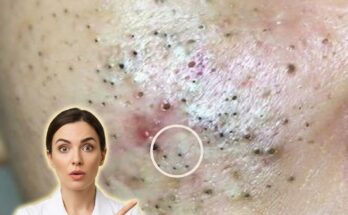
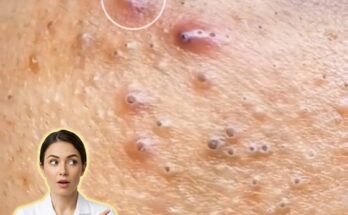
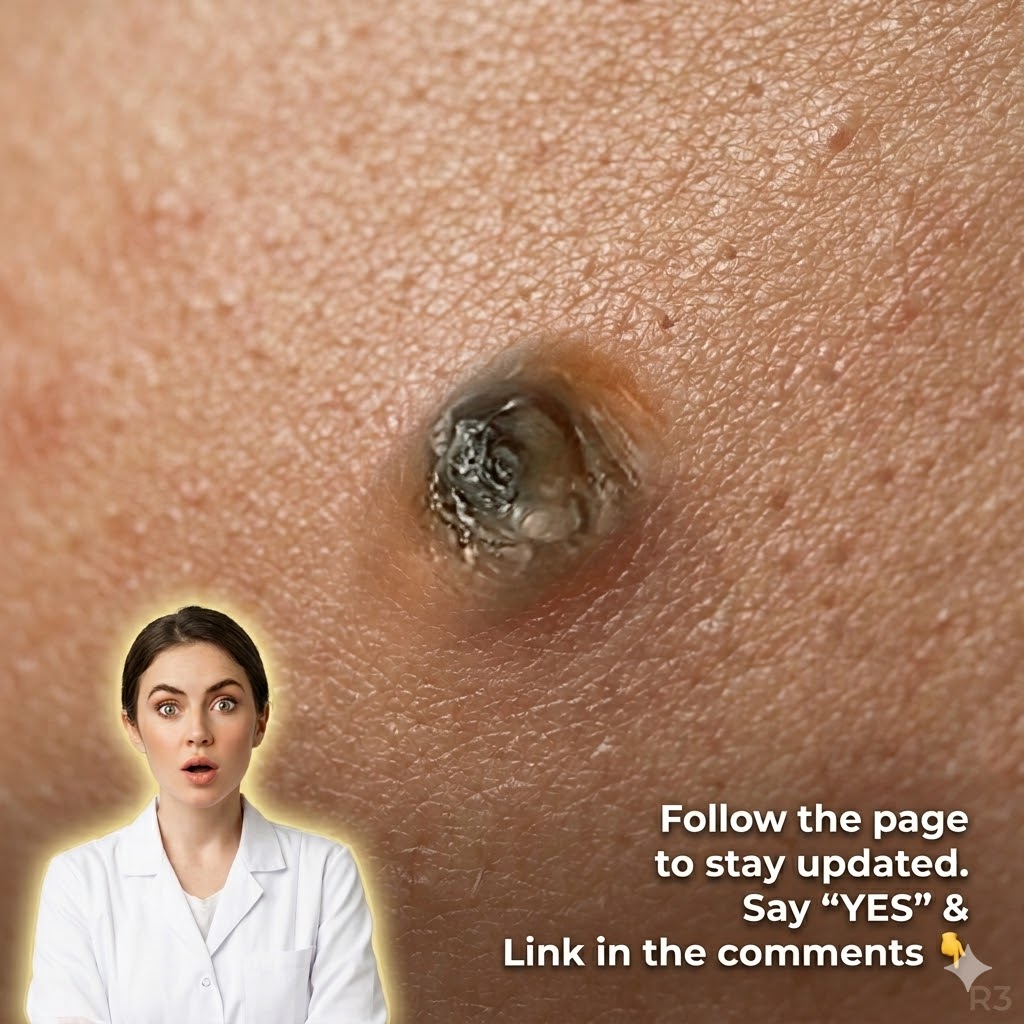
Acne begins at the microscopic level within the pilosebaceous unit, which consists of a hair follicle and its associated sebaceous gland. At its core, acne is driven by a disruption in normal skin cell turnover and oil regulation. Keratinocytes, the primary cells lining the follicle, are meant to shed in a controlled manner. In acne-prone skin, these cells can become overly cohesive and fail to shed properly, leading to a process known as abnormal follicular keratinization. As these cells accumulate, they mix with sebum, forming a plug that blocks the pore. This early, invisible stage is often referred to as a microcomedone and represents the starting point of both blackheads and whiteheads.
Sebum production plays a central role in this process. Sebaceous glands are stimulated by androgens, particularly during puberty or hormonal fluctuations, causing increased oil production. At the cellular level, sebocytes produce excess lipids that alter the internal environment of the follicle. This lipid-rich environment not only contributes to pore blockage but also creates favorable conditions for the proliferation of Cutibacterium acnes, a bacterium naturally present on the skin. While this bacterium is not inherently harmful, its overgrowth within a clogged follicle can trigger immune responses.
Inflammation is a key downstream effect of these cellular changes. As C. acnes interacts with the immune system, it activates inflammatory signaling pathways involving cytokines and other mediators. This leads to the redness, swelling, and tenderness associated with inflamed acne lesions such as papules and pustules. Even in non-inflammatory acne, subtle inflammatory processes may already be occurring at a microscopic level. Additionally, oxidative stress and lipid peroxidation within sebum can further amplify inflammation and damage surrounding skin tissue.
Genetic predisposition can influence how these cellular mechanisms behave. Some individuals naturally produce more sebum, have faster keratinocyte turnover, or exhibit heightened inflammatory responses. Environmental factors such as humidity, pollution, and occlusive skincare or cosmetic products may also contribute by disrupting the skin barrier or promoting pore congestion. Overuse of harsh skincare products can impair barrier function, leading to increased transepidermal water loss and compensatory oil production, which may worsen the cycle of clogging and inflammation.
Treatment approaches often target these cellular processes to restore balance within the skin. Topical retinoids are commonly used to normalize keratinocyte turnover, helping prevent the formation of microcomedones. Salicylic acid, a beta hydroxy acid, penetrates into the pore to dissolve excess sebum and exfoliate inside the follicle. Benzoyl peroxide works by reducing bacterial load and has mild anti-inflammatory properties. Niacinamide may help regulate oil production and support the skin barrier while also calming inflammation. In more persistent cases, dermatological treatments such as oral medications or prescription-strength topicals may be recommended to address hormonal influences or deeper inflammatory pathways.
It is important to recognize that acne develops through a combination of interconnected cellular events rather than a single cause. Because these processes occur gradually, visible improvements from treatment often take several weeks to become noticeable. Consistency in skincare routines and cautious introduction of active ingredients are essential to avoid irritation that could further disrupt the skin barrier. Individuals experiencing moderate to severe or persistent acne may benefit from consulting a qualified dermatology professional to ensure an appropriate and safe treatment approach.