Video 1
Video 2
Video 3
Acne develops through a combination of excess sebum production, abnormal shedding of keratinocytes within the follicle, bacterial activity, and inflammation. Moisturizers play a supportive role in this process by helping maintain the skin barrier, which regulates water loss and protects against external irritants. When the barrier is compromised, the skin may produce more oil to compensate, potentially worsening clogged pores and comedonal acne. Choosing the appropriate moisturizer texture and formulation is therefore an important part of managing acne-prone skin.
Oil-free moisturizers are typically formulated without traditional occlusive oils and are designed to minimize the risk of pore congestion. These products often rely on lightweight emollients, silicones, or humectants to provide hydration without leaving a heavy residue. They are commonly recommended for individuals with oily or combination skin, as they can reduce surface shine while still supporting hydration. However, the term “oil-free” does not automatically mean non-comedogenic, as certain synthetic ingredients or film-forming agents may still feel occlusive for some users. The effectiveness of an oil-free moisturizer depends largely on the overall formulation and how it interacts with an individual’s skin.

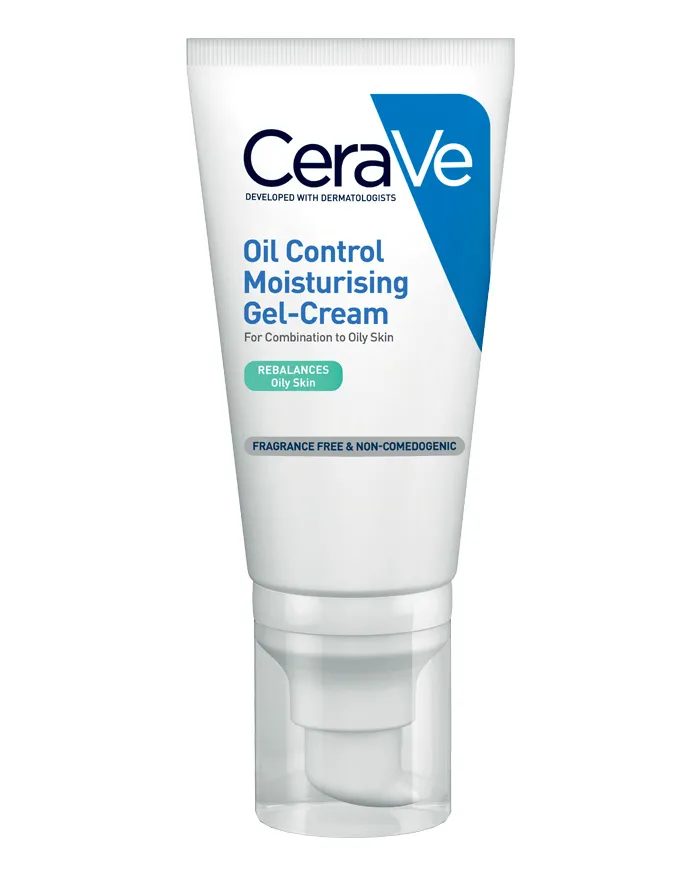

Gel moisturizers, on the other hand, are defined more by their texture than by the absence of oils. They are typically water-based and use humectants such as glycerin or hyaluronic acid to draw moisture into the skin. Their fast-absorbing, lightweight consistency makes them particularly suitable for oily and acne-prone skin types, especially in humid environments where heavier creams may feel uncomfortable. Because gel formulations tend to leave minimal residue, they are less likely to contribute to a feeling of buildup on the skin, which can be beneficial for individuals prone to clogged pores.
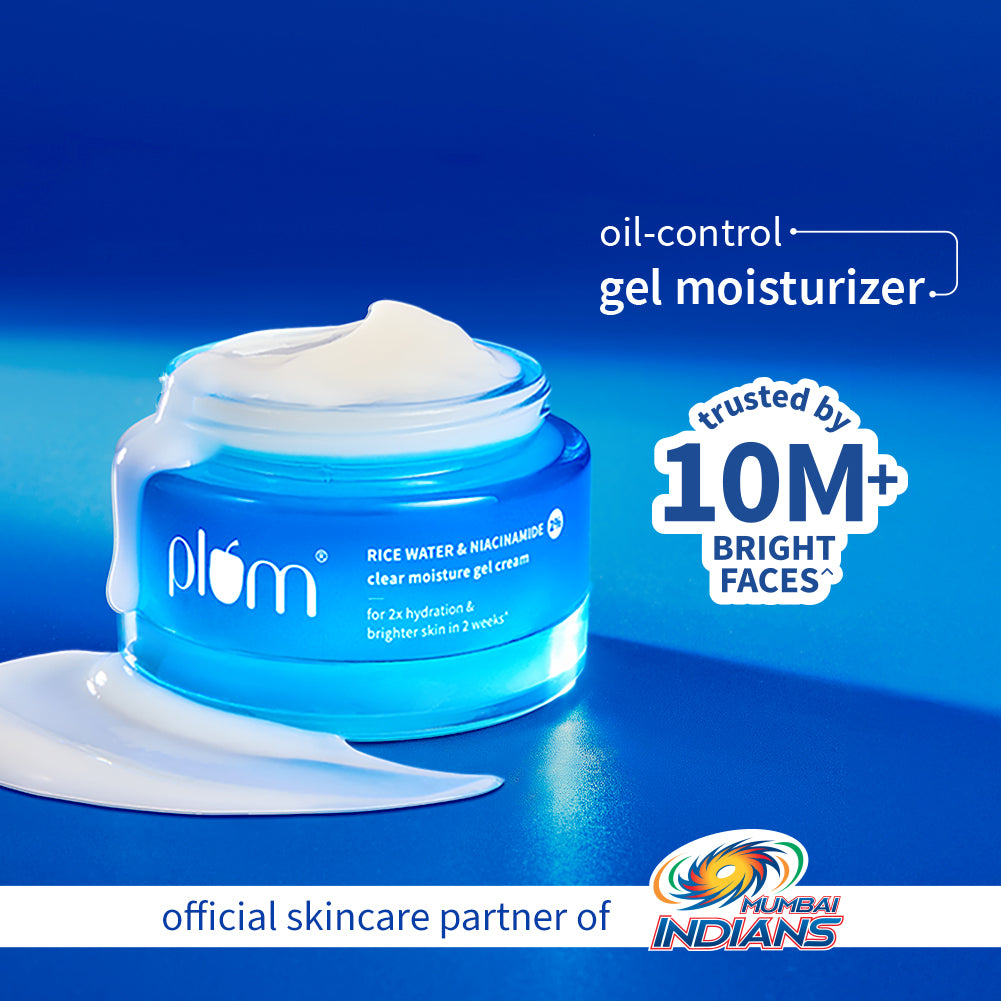
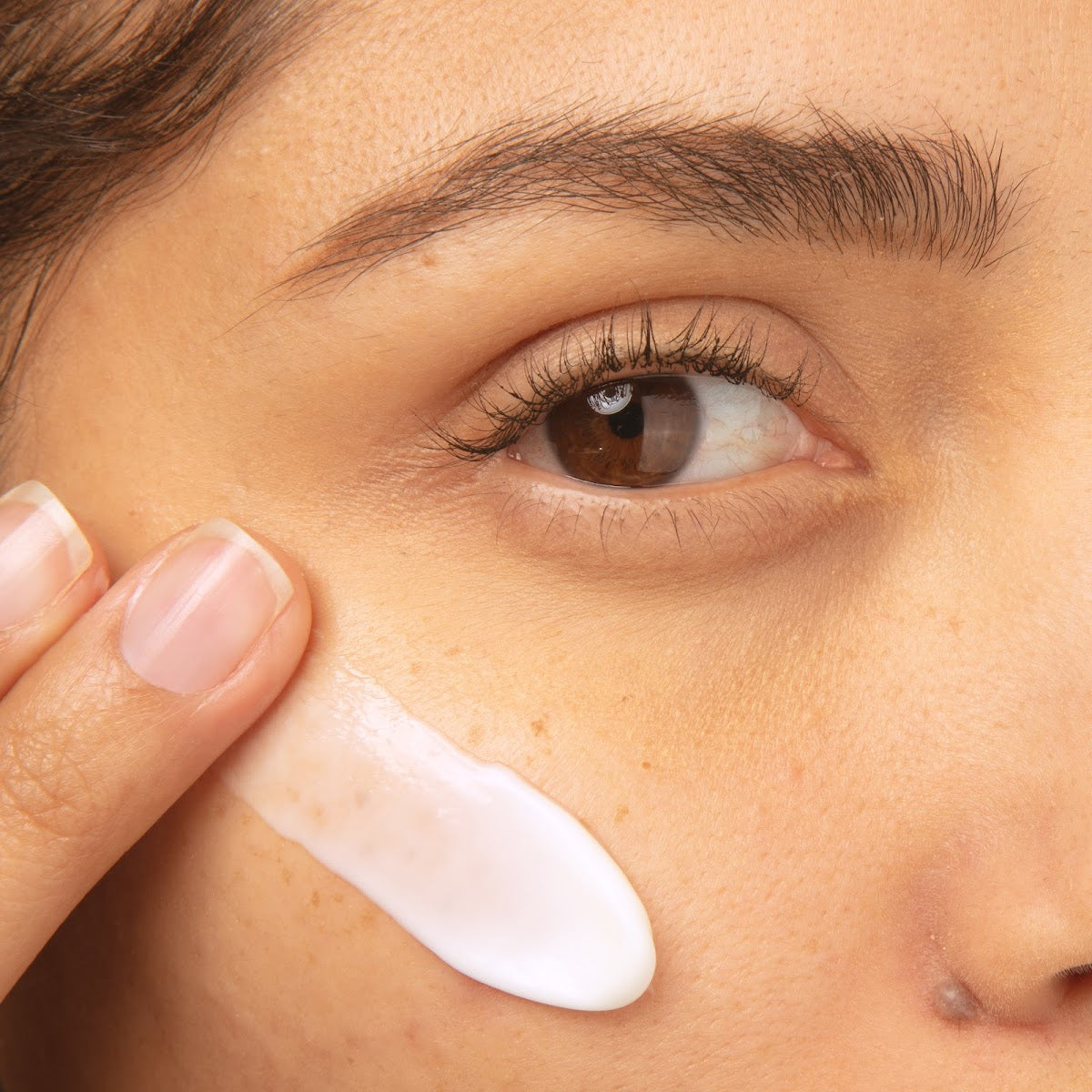
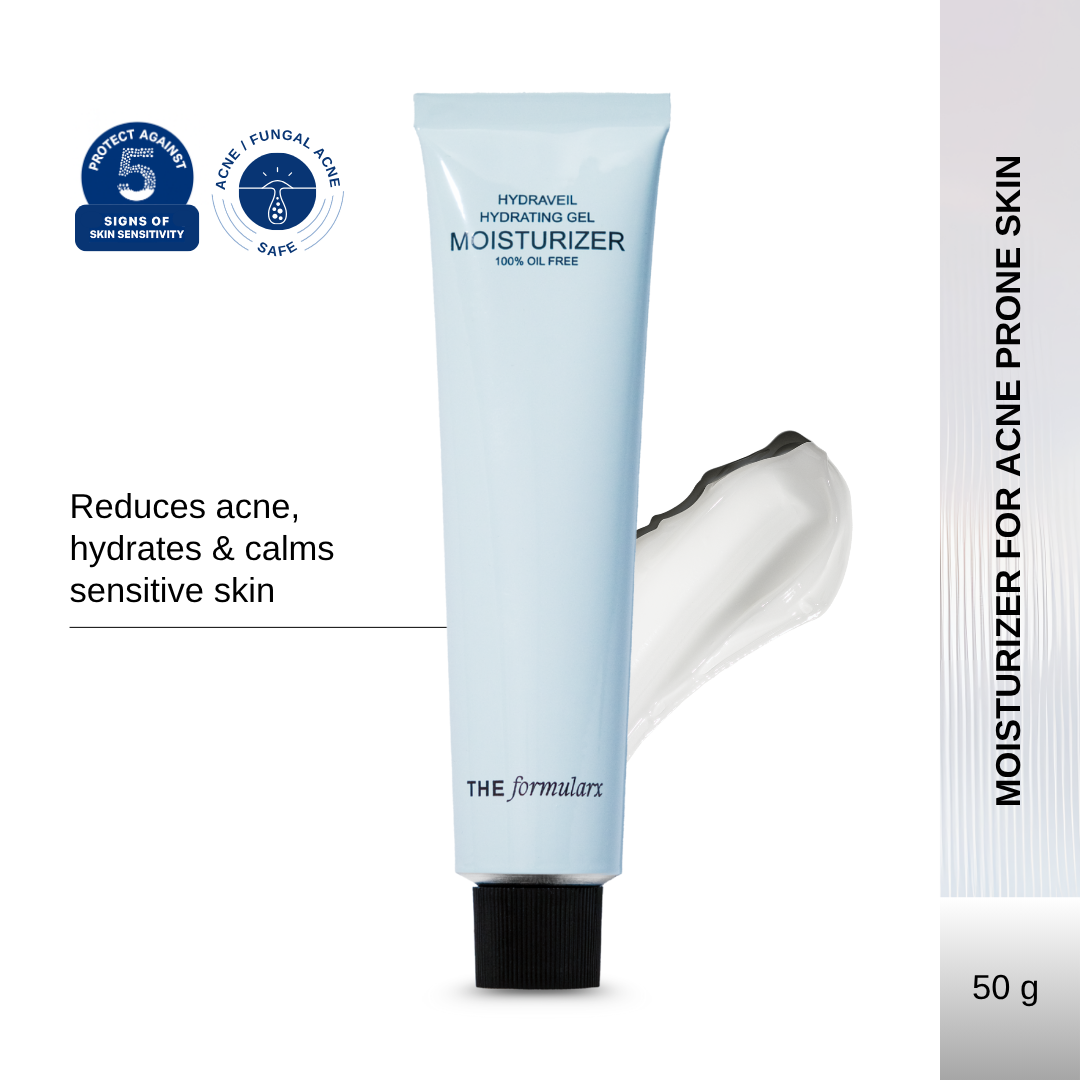
The distinction between oil-free and gel moisturizers becomes more nuanced when considering skin needs beyond oil control. Oil-free moisturizers may still include emollients that provide a slightly more protective layer, which can be helpful for individuals using active acne treatments such as retinoids or benzoyl peroxide that may cause dryness. Gel moisturizers, while lightweight, may not always provide sufficient barrier support on their own for those experiencing irritation or dehydration. In such cases, combining a gel moisturizer with additional barrier-repair ingredients or layering with a light lotion may be more effective.
Environmental factors also influence which type performs better. In hot and humid climates, gel moisturizers are often preferred due to their cooling and non-greasy feel. In drier conditions or air-conditioned environments, an oil-free moisturizer with slightly more emollient properties may help prevent transepidermal water loss. Individual skin response remains a key factor, as some people may tolerate one formulation better than the other despite general guidelines.
Ultimately, both oil-free and gel moisturizers can be appropriate for acne-prone skin when formulated with non-comedogenic ingredients and used consistently. The choice should be guided by skin type, climate, and concurrent acne treatments. While these products support overall skin health and may reduce the likelihood of irritation-related breakouts, they do not directly treat acne itself. For persistent or severe acne, combining proper moisturization with targeted treatments and professional guidance is often necessary.