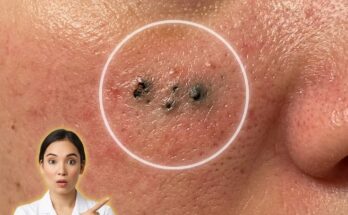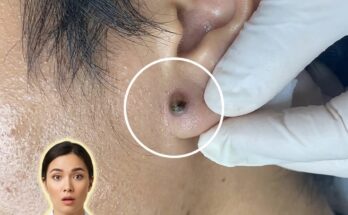
Video 1
Video 2
Video 3
Acne marks, often referred to as post-inflammatory hyperpigmentation, develop as a result of the skin’s healing response following inflammation within the follicle. When pores become clogged with excess sebum and keratinized cells, bacteria can proliferate and trigger inflammation. This process may stimulate melanocytes to produce excess pigment, leading to visible dark spots after the active lesion resolves. Unlike deeper scars, these marks are typically superficial but can persist for weeks or months depending on skin type, sun exposure, and the severity of the original acne.
Several internal and external factors influence how prominent and long-lasting these marks become. Higher levels of inflammation tend to increase the likelihood of pigmentation changes, which is why moderate to severe acne often leaves more noticeable marks. Ultraviolet exposure can further darken these areas by stimulating additional melanin production, while repeated picking or irritation may prolong the healing process. Skin types with higher natural melanin content are also more prone to persistent discoloration. Inconsistent skincare routines or the use of harsh, barrier-disrupting products may delay recovery and worsen uneven skin tone.
Serums designed to reduce acne marks typically focus on regulating pigmentation, supporting skin turnover, and improving overall skin clarity. Ingredients such as niacinamide are commonly used due to their ability to help regulate oil production, reduce inflammation, and visibly brighten uneven skin tone over time. Vitamin C is another widely used antioxidant that may help inhibit melanin synthesis while also protecting the skin from oxidative stress caused by environmental exposure. Alpha arbutin and licorice root extract are often included for their skin-brightening properties, working more gently to fade discoloration without significant irritation.
Chemical exfoliants also play an important role in improving acne marks by accelerating the removal of pigmented surface cells. Alpha hydroxy acids, such as glycolic acid and lactic acid, promote cell turnover and can gradually improve skin texture and tone. Beta hydroxy acid, particularly salicylic acid, penetrates into the pores to help reduce congestion while also contributing to a more even complexion. Retinoids, including over-the-counter retinol, are frequently recommended as they support cellular renewal, normalize keratinization, and may improve both acne and residual marks over time.
Hydration and barrier support remain essential throughout treatment. Serums containing hyaluronic acid, panthenol, or ceramides may help maintain skin integrity and reduce the risk of irritation, especially when using active ingredients. A compromised skin barrier can increase sensitivity and slow the fading of marks, making balanced formulations particularly important for acne-prone skin. Daily sunscreen use is also a critical component, as ongoing UV exposure can counteract the benefits of brightening treatments and prolong pigmentation.
For more persistent or deeper discoloration, dermatological procedures may be considered. Options such as chemical peels, laser therapy, or prescription-strength topical treatments can provide more targeted results under professional supervision. These approaches are generally tailored based on skin type, severity of pigmentation, and tolerance to treatment.
Results from topical serums are typically gradual, with visible improvements developing over several weeks to months of consistent use. While many ingredients may help reduce the appearance of acne marks, complete resolution is not always immediate, and maintenance is often required. Individuals experiencing ongoing or severe discoloration are encouraged to seek guidance from a qualified dermatologist to ensure appropriate and safe treatment strategies.