EXTREMELY SENSITIVE CONTENT – 18+ ONLY:
This article discusses sensitive historical events related to serial killings and capital punishment in the United States, including acts of violence and execution. The content is presented for educational purposes only, to foster understanding of the past and encourage reflection on how societies can prevent similar crimes in the future. It does not endorse or glorify any form of violence or extremism.
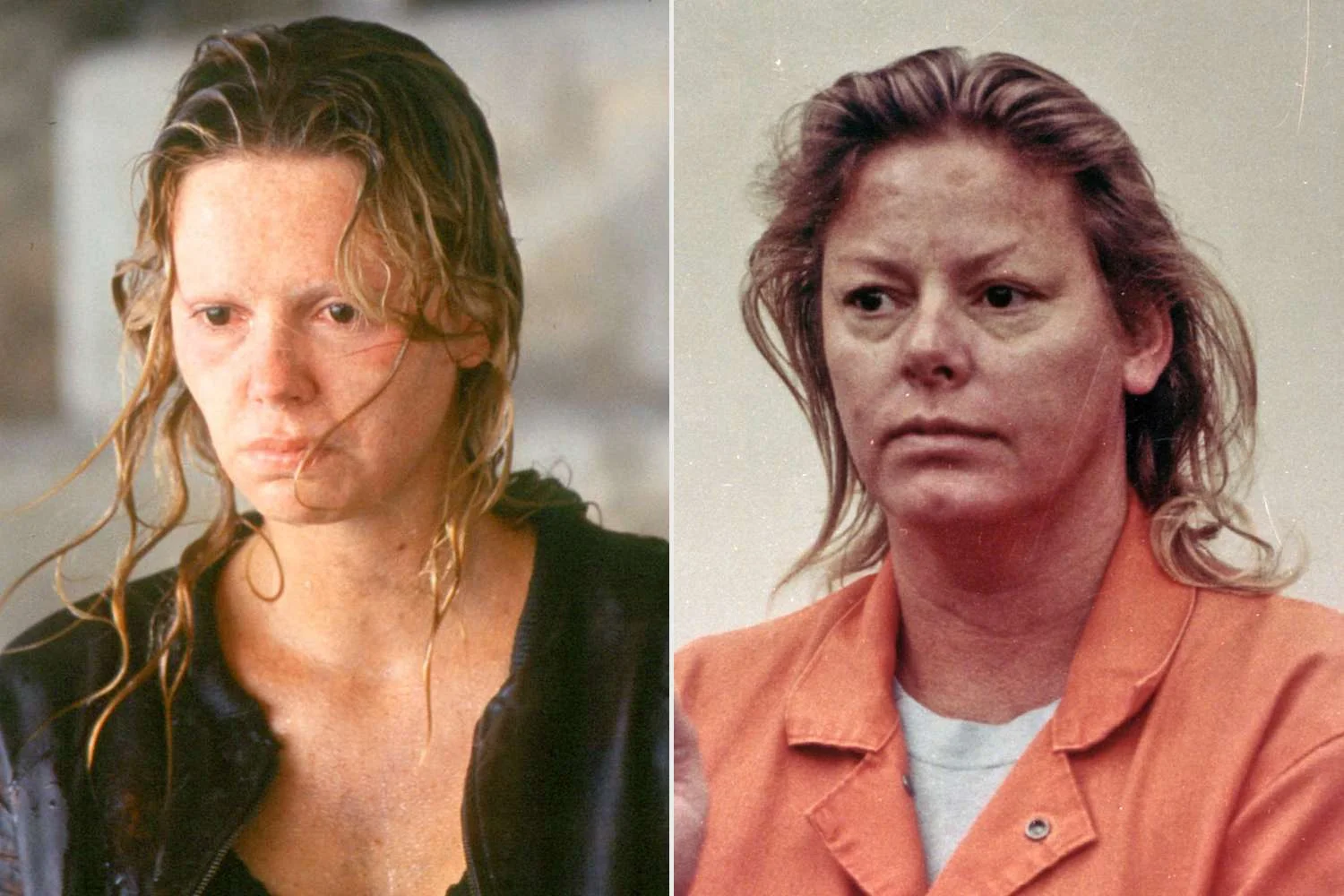
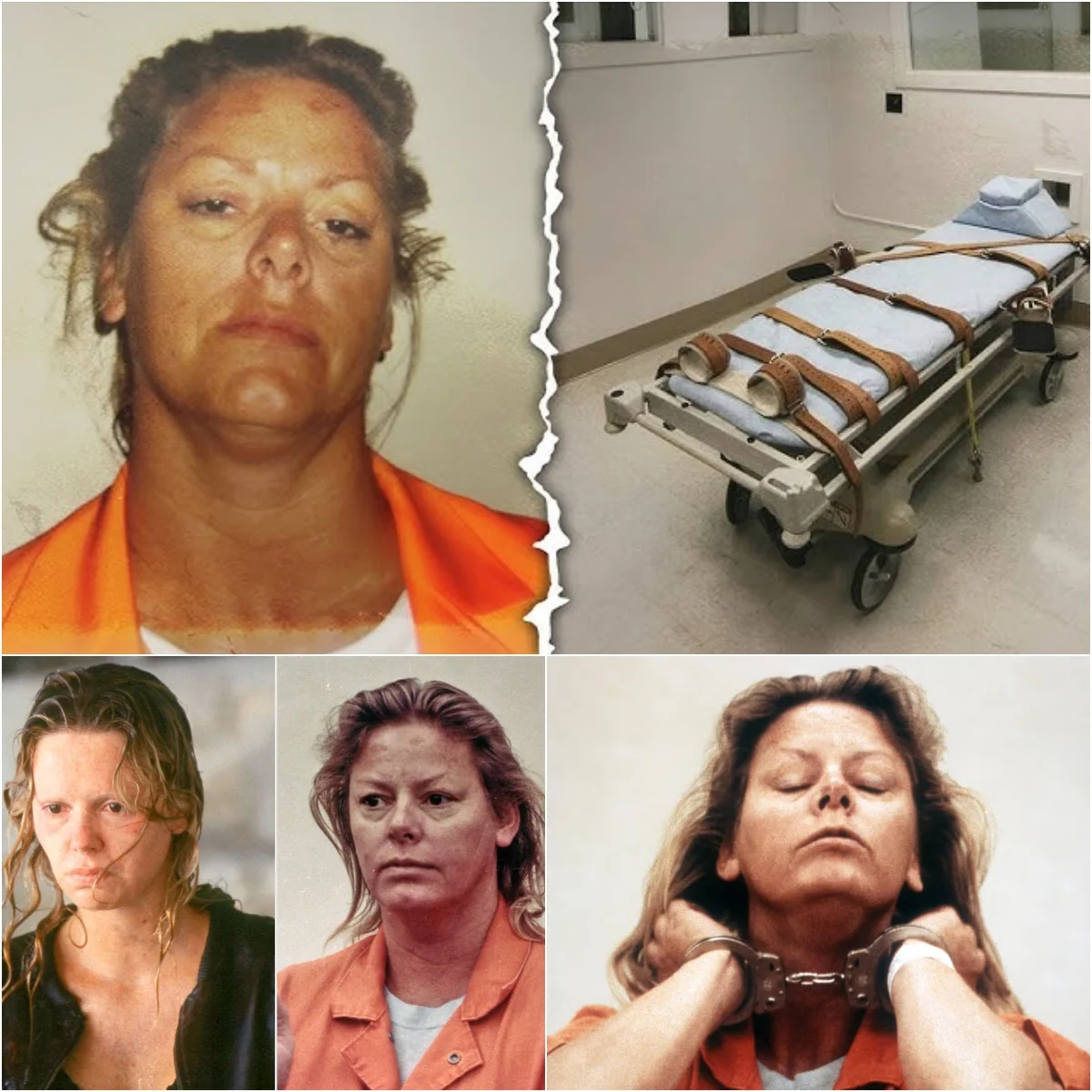
Aileen Carol Wuornos, born February 29, 1956, was an American serial killer who confessed to murdering seven men between 1989 and 1990, claimed self-defense as a prostitute facing assault. Convicted in multiple trials, she was executed by lethal injection on October 9, 2002, at Florida State Prison, aged 46. Her tumultuous life—involving childhood abuse, infertility, and survival sex work—inspired the 2003 film “Monster,” starring Charlize Theron in an Oscar-winning role. Wuornos’s final 24 hours were marked by defiance, interviews, and cryptic farewells, reflecting her unstable mental state amid claims of innocence and conspiracy.
Declining a special last meal for coffee, she met with a friend the night before and gave a filmed interview railing against corruption. Executed at 9:47 a.m., her last words evoked sci-fi apocalypse and resurrection. This event, amid debates on her sanity and the death penalty, highlights systemic failures in addressing trauma. Examining it objectively reveals insights into criminal psychology, media influence, and justice ethics, underscoring the need to learn from such cases to improve mental health support and prevent cycles of violence.
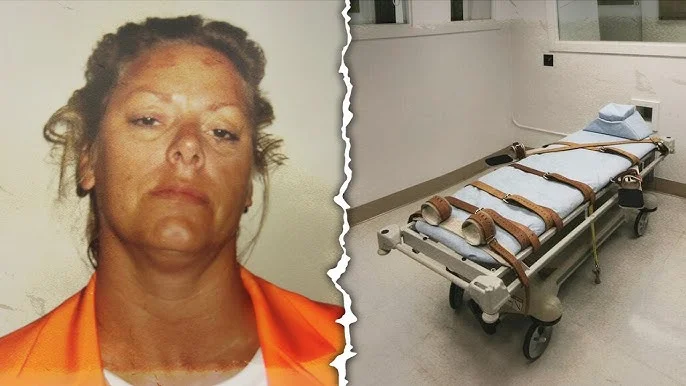
Aileen Wuornos’s last 24 hours began on October 8, 2002, the day before her execution. Housed on death row at Florida State Prison in Starke, she was under “death watch,” with guards logging her behavior every 15 minutes. Reports noted her anger toward the media and “corrupt institutions,” stating she couldn’t wait for death to “punish all the evildoers” for her treatment. That afternoon, she was offered the standard prison meal of grilled chicken, mashed potatoes, tomato slices, apple crisp, and iced tea, but details on what she ate varied—some accounts say she declined much.
In the evening, Wuornos was granted an interview to British filmmaker Nick Broomfield for his documentary “Aileen: Life and Death of a Serial Killer.” During the conversation, she displayed erratic behavior, accusing police of covering up her crimes to let her kill more and ranting about conspiracies. From 9 p.m. to midnight, she visited with her longtime friend Dawn Botkins from Michigan, sharing emotional goodbyes. Guards awakened her at 4 a.m. on October 9 for final preparations.
On execution day, Wuornos declined a special last meal (which could be anything under $20), opting for a simple cup of black coffee. She received last rites from a priest, maintaining her Catholic faith despite her troubled life. Appeals were exhausted; theU.S. Supreme Court denied a stay, and Governor Jeb Bush refused clemency. At around 9:30 a.m., she was escorted to the death chamber.
Strapped to the gurney, Wuornos delivered her cryptic final statement: “I’d just like to say I’m sailing with the rock, and I’ll be back like Independence Day, with Jesus June 6, like the movie, big mothership and all. I’ll be back.” Interpreted as delusional references to aliens and resurrection, it underscores her mental instability—diagnosed with borderline personality disorder and antisocial traits. Lethal injection began with sodium thiopental (anesthetic), pancuronium bromide (paralytic), and potassium chloride (heart stopper). She was pronounced dead at 9:47 a.m., the process taking about 15 minutes.
Wuornos’s case, with its media frenzy and questions of abuse-driven crimes, fuels abolition debates. The film “Monster” portrays her sympathetically, emphasizing trauma from rape and abandonment.
Aileen Wuornos’s final 24 hours—from angry interviews and heartfelt visits to a cryptic last statement and lethal injection—encapsulated the tragedy of a life scarred by abuse, leading to her execution for seven murders. Her defiance amid mental turmoil highlights systemic oversights in addressing trauma. By reflecting objectively, we confront how society fails vulnerable individuals, reinforcing the need for better mental health interventions and justice reforms. This history, immortalized in “Monster,” inspires efforts to prevent violence through support systems, ensures lessons from such cases guide compassionate, equitable futures free from cycles of despair.
Sources
Wikipedia: “Aileen Wuornos”
CNN: Coverage of Wuornos execution (2002)
Biography.com: “Aileen Wuornos”
The Guardian: Articles on Wuornos last words
History.com: “Aileen Wuornos executed”
Additional historical references from academic sources on serial killers.