Video 1
Video 2
Video 3
Video 4
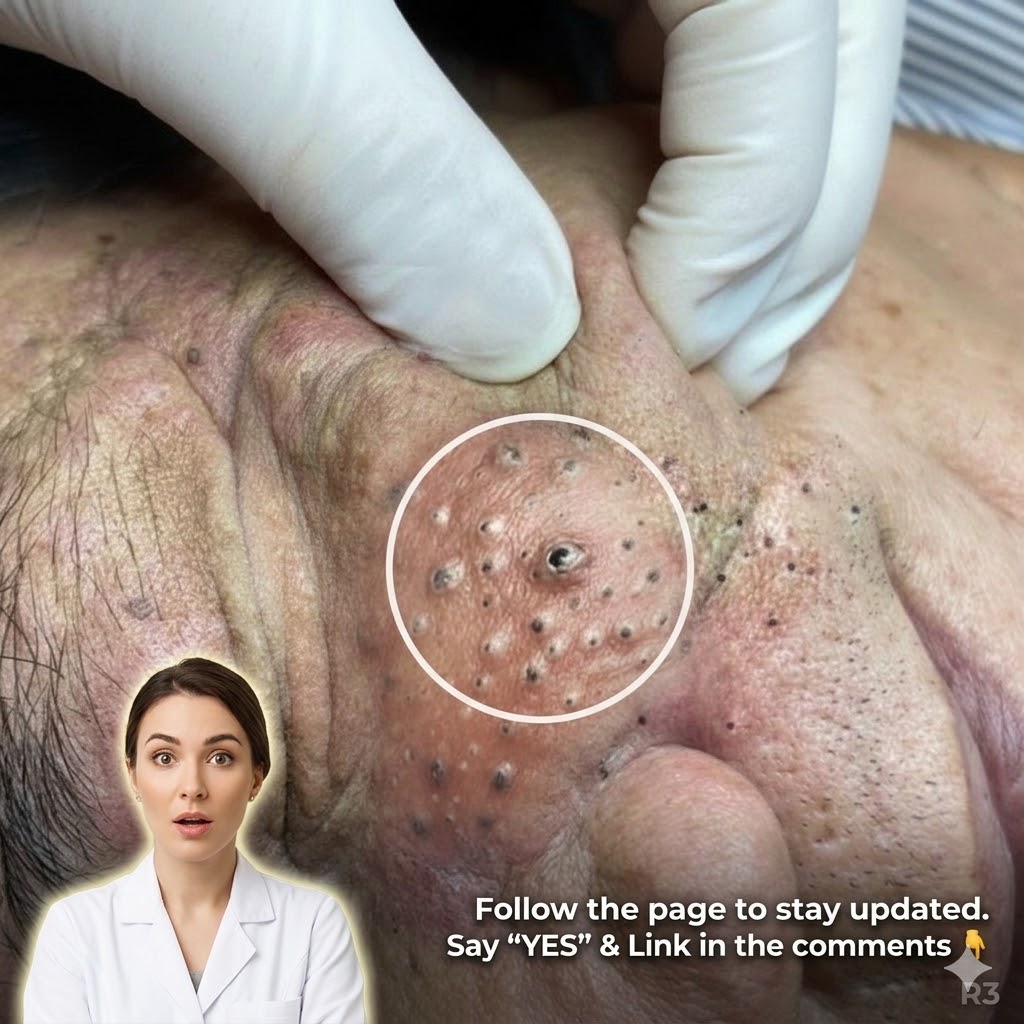
Non-comedogenic products are designed to minimize the likelihood of clogging pores, which is a central factor in the development of acne. Acne begins with a process known as follicular keratinization, where dead skin cells fail to shed properly and accumulate داخل the pore. When combined with excess sebum production, this buildup can form comedones, including blackheads and whiteheads. Products labeled as non-comedogenic are formulated to reduce the risk of contributing to this blockage, although the term itself is not strictly regulated and may vary between brands.
The effectiveness of non-comedogenic products depends largely on ingredient composition and individual skin response. Ingredients that are lightweight and less likely to occlude pores, such as certain silicones or water-based emollients, are often used in these formulations. In contrast, heavier oils and waxes may contribute to pore congestion in some individuals, particularly those with oily or acne-prone skin. However, it is important to recognize that comedogenicity is not universal; an ingredient that clogs pores in one person may not have the same effect in another, due to differences in skin type, sebum production, and microbiome balance.
Hormonal fluctuations, environmental exposure, and skincare habits also influence how well non-comedogenic products perform. Increased androgen activity can stimulate sebaceous glands, leading to higher oil production that makes pores more prone to clogging even when using suitable products. At the same time, inconsistent cleansing, overuse of occlusive layers, or combining multiple active ingredients without proper balance may disrupt the skin barrier and indirectly contribute to breakouts. Climate factors such as humidity and pollution can further interact with skincare products, affecting how they sit on the skin and whether they contribute to congestion.
Evidence-informed acne care often involves combining non-comedogenic products with active ingredients that target the underlying causes of clogged pores. Salicylic acid, a beta hydroxy acid, is commonly used because it can penetrate into pores and help dissolve excess oil and dead skin cells. Retinoids are also widely recommended, as they help normalize skin cell turnover and reduce the formation of comedones over time. Benzoyl peroxide may be included to address acne-causing bacteria and inflammation, while niacinamide can support the skin barrier and help regulate oil production. Using these ingredients within a non-comedogenic formulation may improve tolerability and reduce the risk of additional pore blockage.
Dermatological treatments may be considered when over-the-counter approaches are not sufficient. Prescription retinoids, chemical peels, or professional extraction procedures can help manage persistent comedonal acne. These interventions are typically tailored to the individual’s skin condition and should be guided by a qualified professional, especially in cases of moderate to severe acne or when there is a risk of scarring.
While non-comedogenic labeling can be a useful starting point when selecting skincare or cosmetic products, it should not be viewed as a guarantee of acne prevention. Consistent routines, appropriate ingredient selection, and attention to skin response are essential for long-term results. Individuals may need to test products gradually and monitor for signs of congestion or irritation. For persistent or worsening acne, consulting a dermatologist can help identify underlying causes and guide more targeted treatment strategies.