Video 1
Video 2
Video 3
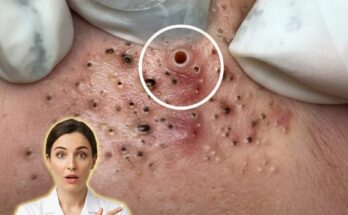
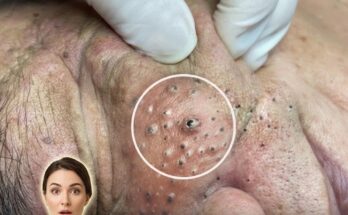
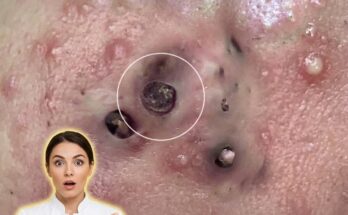
Moisturizers play a critical role in maintaining skin barrier function, yet for acne-prone individuals, the concern often centers on whether a product will contribute to clogged pores. Pore clogging, or comedogenesis, occurs when excess sebum combines with dead skin cells inside the follicle, leading to the formation of blackheads and whiteheads. A suitable moisturizer should support hydration without increasing follicular occlusion or disrupting the natural shedding of keratinocytes within the pore lining.
Skin that is dehydrated or stripped of its natural lipids may actually respond by producing more sebum, which can worsen acne over time. This creates a paradox where avoiding moisturizers altogether may contribute to increased oiliness and more frequent breakouts. Non-comedogenic moisturizers are designed to hydrate while minimizing the likelihood of blocking pores. These formulations typically rely on lightweight humectants and carefully selected emollients that do not create heavy, occlusive films on the skin.
Ingredients commonly found in pore-friendly moisturizers include humectants such as glycerin and hyaluronic acid, which attract water into the skin without adding oil. Niacinamide is also frequently used, as it may help regulate sebum production while supporting the skin barrier. Lightweight emollients like squalane can provide softness without contributing to congestion. Gel-based or water-based formulations are often preferred for oily and acne-prone skin types because they absorb quickly and leave minimal residue.
On the other hand, certain ingredients are more likely to contribute to clogged pores in susceptible individuals. Heavy occlusives and some fatty alcohols or esters may create a thicker layer on the skin that can trap debris within pores, particularly in those already prone to comedonal acne. However, it is important to recognize that comedogenicity can vary depending on formulation, concentration, and individual skin response, rather than any single ingredient alone.
Moisturizers that incorporate acne-supportive ingredients may offer additional benefits. For example, formulations containing low concentrations of salicylic acid may help keep pores clear by promoting exfoliation داخل the follicle, while those with soothing agents such as centella asiatica or panthenol may reduce irritation associated with active treatments like retinoids or benzoyl peroxide. Maintaining hydration is especially important when using these treatments, as they can compromise the skin barrier and lead to dryness or irritation.
Dermatology-based approaches often emphasize pairing a non-comedogenic moisturizer with active acne treatments to improve tolerability and long-term adherence. In some cases, dermatologists may recommend specific formulations tailored to the patient’s skin type and acne severity. Consistency in skincare routine, rather than frequent product switching, is generally associated with better outcomes.
Realistic expectations are important when selecting a moisturizer for acne-prone skin. Even products labeled as non-comedogenic may not work the same for everyone, and patch testing can help identify potential issues before full use. Persistent or worsening acne may require evaluation by a qualified professional to determine whether prescription treatments or procedural interventions are appropriate. A well-chosen moisturizer, while not a standalone treatment for acne, is a foundational step in supporting overall skin health and reducing factors that can contribute to clogged pores.