
Video 1
Video 2
Video 3
Choosing the best face wash for acne-prone skin involves understanding how cleansing interacts with the underlying biology of acne. Acne develops when excess sebum production combines with dead skin cells inside the pore, leading to follicular keratinization and the formation of clogged pores such as blackheads and whiteheads. A well-formulated cleanser helps reduce surface oil, remove debris, and support the skin barrier without triggering additional irritation or dryness, which can otherwise worsen inflammation and breakouts.
Different types of acne benefit from different cleansing approaches because not all breakouts form in the same way. Oily and congested skin often responds well to ingredients that can penetrate into the pore and dissolve buildup, while sensitive or inflamed acne may require gentler formulations that focus on calming the skin. Over-cleansing or using harsh products can strip the skin barrier, leading to increased oil production and more persistent acne over time. Environmental factors such as humidity, sweat, and pollution can also increase the need for effective but balanced cleansing.
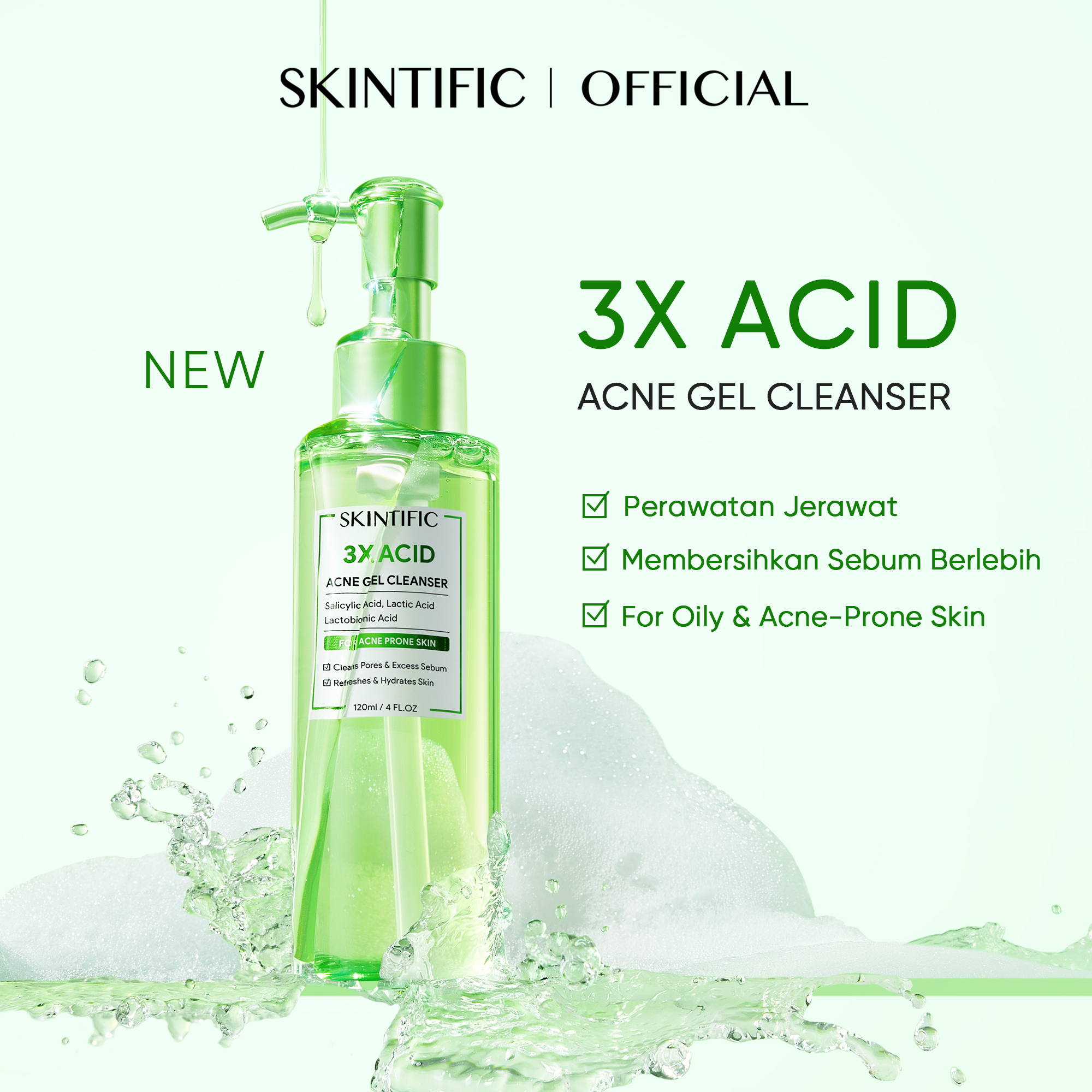
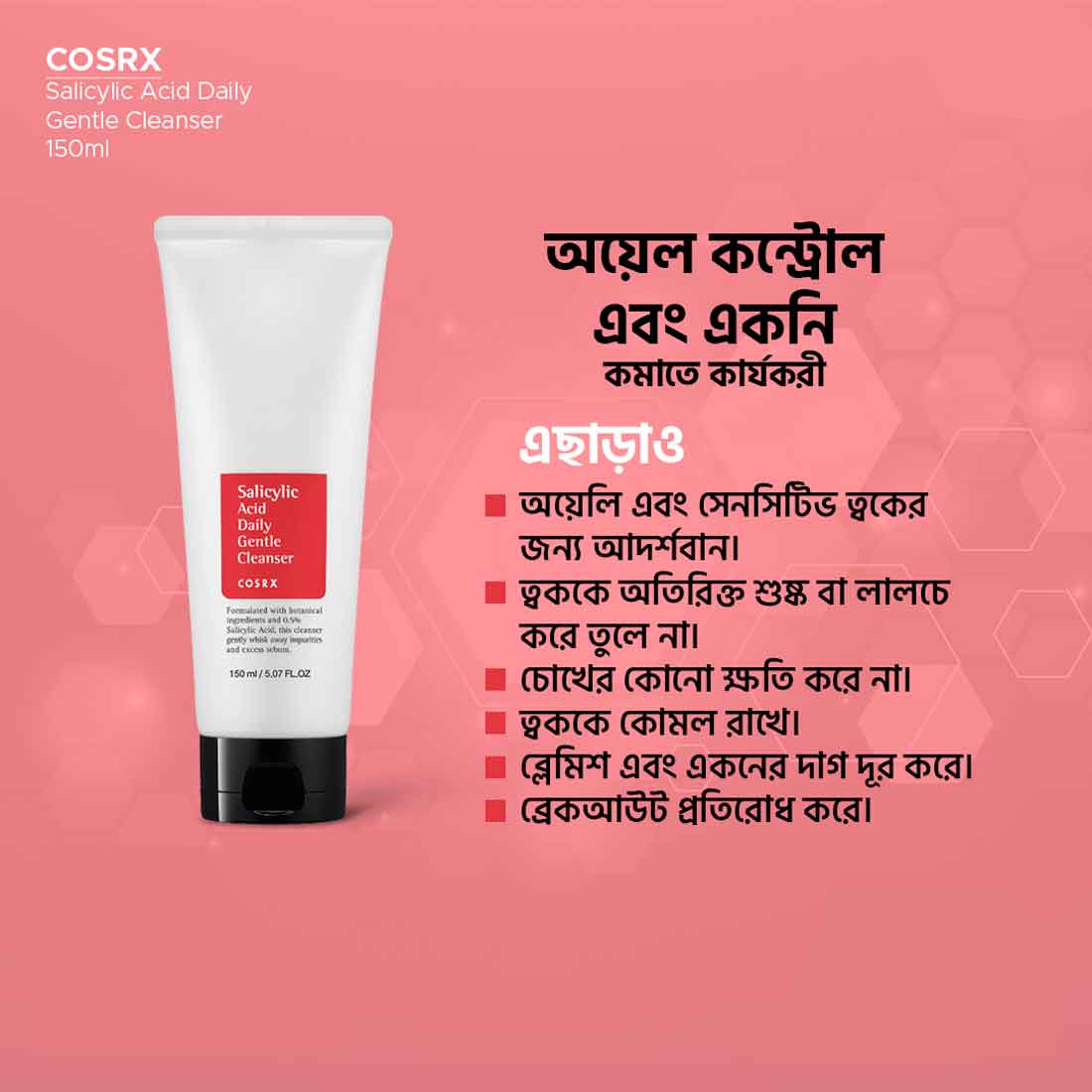
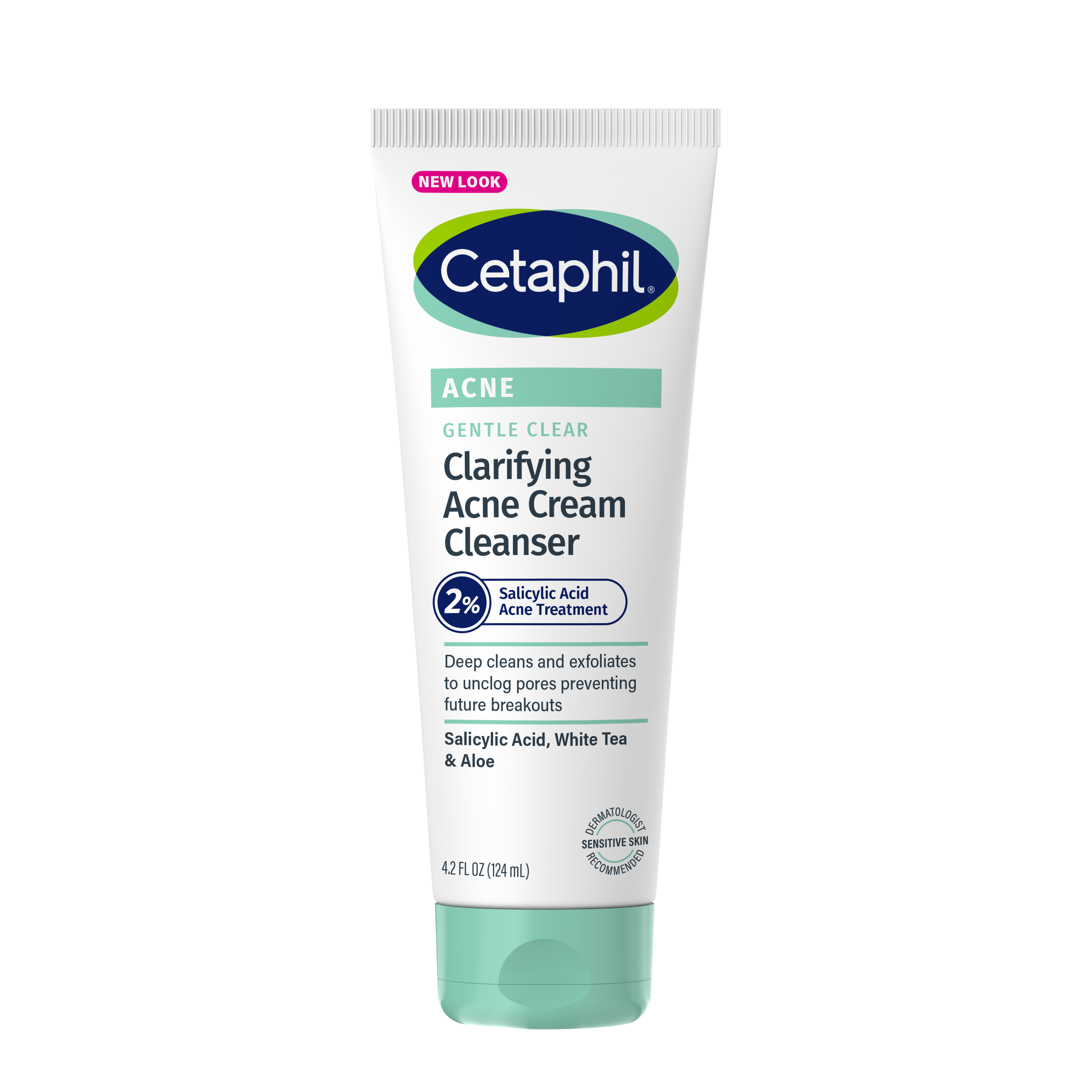
Cleansers containing salicylic acid are commonly used for acne-prone skin because they are oil-soluble and can penetrate into pores to help loosen debris and reduce clogged pores. This makes them particularly helpful for blackheads and whiteheads. Benzoyl peroxide cleansers may help reduce acne-causing bacteria and inflammation, although they can be drying if used too frequently. For those with sensitive or dry acne-prone skin, gentle gel or cream cleansers with ingredients like niacinamide may help maintain the skin barrier while still supporting clearer pores. Hydrating cleansers that are labeled non-comedogenic are often recommended to balance oil without causing additional congestion.
Texture also plays an important role in choosing the right face wash. Gel cleansers are typically lightweight and suitable for oily skin, while foaming cleansers can help remove excess sebum but should be used carefully to avoid over-drying. Cream or low-foam cleansers are often better suited for individuals experiencing irritation or using stronger acne treatments such as retinoids. Matching the cleanser texture to skin type can improve overall tolerance and consistency in a skincare routine.
Consistency is more important than using multiple products. Washing the face twice daily is generally sufficient for most people, and using lukewarm water can help avoid unnecessary irritation. It is also important to avoid scrubbing aggressively, as this can worsen inflammation and damage the skin barrier. When combined with targeted treatments such as retinoids, salicylic acid leave-on products, or benzoyl peroxide, a suitable cleanser supports the overall effectiveness of an acne routine.
Results from a new cleanser are usually gradual rather than immediate. While some reduction in oiliness may be noticed quickly, improvements in acne often take several weeks as the skin cycle normalizes. If irritation, excessive dryness, or worsening breakouts occur, adjusting the formula or frequency of use may be necessary. For persistent or severe acne, consulting a qualified dermatology professional can help tailor a routine that addresses both cleansing and treatment more effectively.