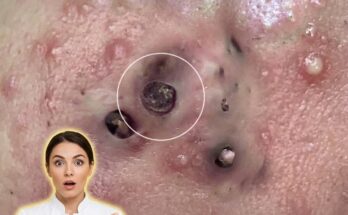
Video 1
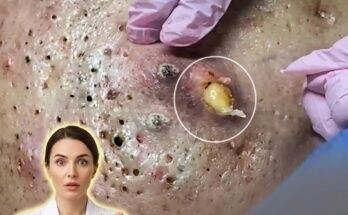
Video 2
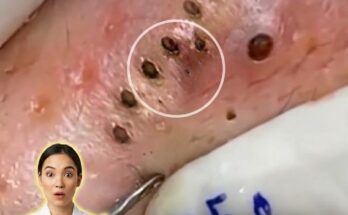
Video 3
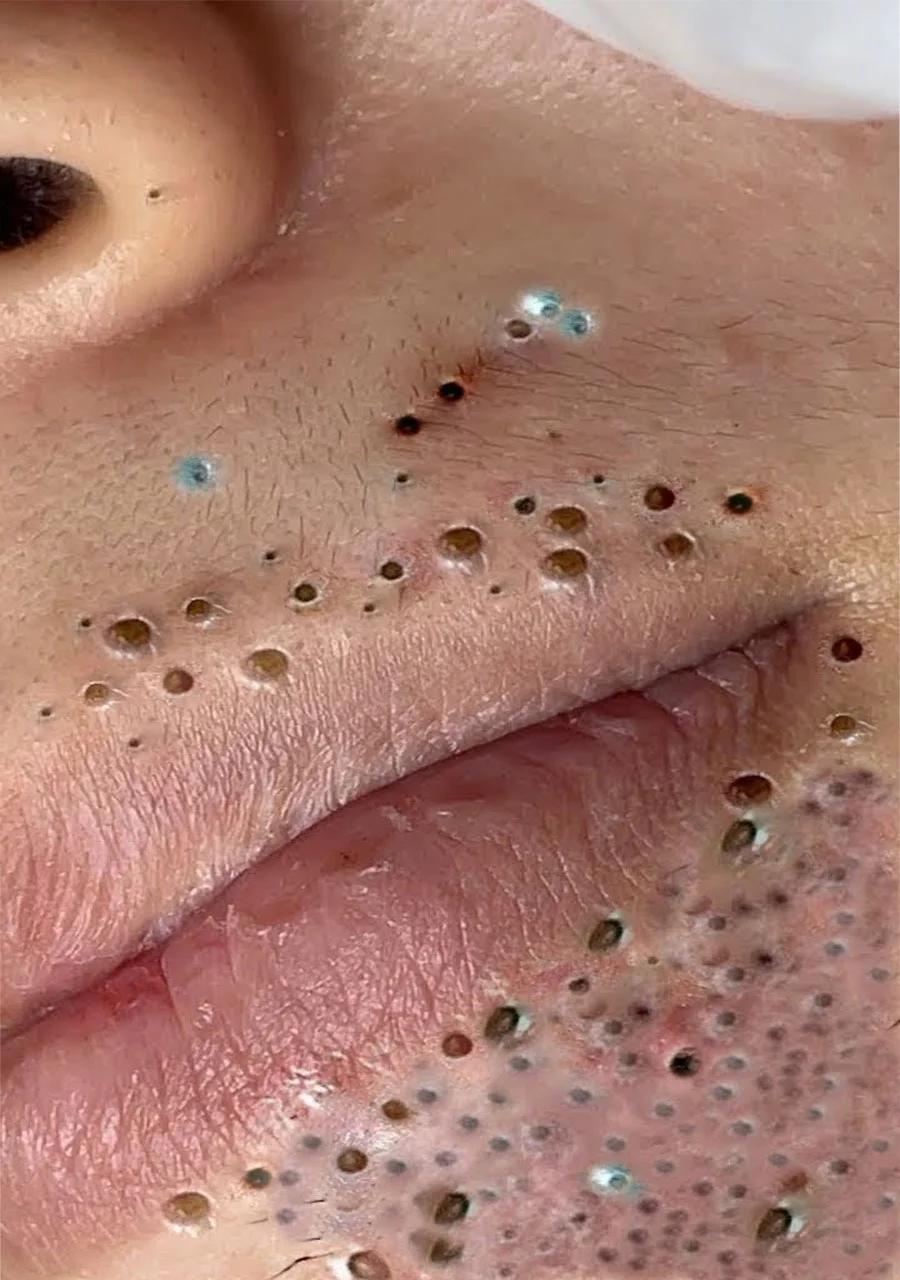
Persistent acne develops through a combination of excess sebum production, abnormal shedding of skin cells within the follicle, bacterial activity, and inflammation. When pores become clogged with oil and keratinized cells, they form comedones such as blackheads and whiteheads, which can progress into inflamed lesions if bacteria such as Cutibacterium acnes proliferate. Dermatologists typically approach persistent acne by targeting multiple points in this process rather than relying on a single product or ingredient.
Hormonal influence is one of the most common contributors to ongoing acne, particularly in adolescents and adults experiencing fluctuations in androgens. These hormones can increase sebum production, making pores more prone to clogging. In addition to hormonal factors, skincare habits play a significant role. Overuse of harsh products may damage the skin barrier, while layering too many active ingredients can trigger irritation and worsen inflammation. Environmental factors such as humidity, occlusive cosmetics, and friction from masks or devices can also contribute to recurring breakouts. Genetic predisposition further influences how the skin regulates oil production and inflammation, which explains why some individuals experience more persistent acne than others.
Dermatologists often recommend a structured and consistent skincare routine centered around evidence-based ingredients. Topical retinoids are commonly used because they help normalize follicular keratinization, preventing clogged pores and supporting long-term skin renewal. Salicylic acid is frequently included for its ability to penetrate oil and help clear debris inside pores, making it particularly useful for blackheads and whiteheads. Benzoyl peroxide may be introduced to reduce acne-causing bacteria and inflammation, especially in cases with more active breakouts. Ingredients such as niacinamide can support the skin barrier while helping regulate oil production and reduce redness.
For individuals who do not respond adequately to over-the-counter options, dermatologists may consider prescription treatments. These can include stronger retinoids, topical or oral antibiotics used for limited periods, or hormonal therapies such as oral contraceptives or anti-androgen medications in appropriate patients. In more resistant cases, oral isotretinoin may be recommended under close medical supervision due to its significant effect on sebum production and acne severity. Professional procedures such as chemical peels, light-based therapies, or comedone extraction may also be used as adjunct treatments to improve outcomes.
An important aspect of dermatological guidance is setting realistic expectations. Acne treatments typically require several weeks to months before visible improvement occurs because they work by gradually regulating the skin cycle. Consistency is essential, as stopping treatment prematurely can allow pores to become clogged again. At the same time, introducing products too quickly or combining multiple strong actives can increase irritation and delay progress. Dermatologists often emphasize a balanced approach that supports the skin barrier while addressing acne mechanisms.
Safety considerations are also central to managing persistent acne. Not all treatments are suitable for every skin type, and some medications require monitoring for side effects. Individuals experiencing severe, scarring, or long-lasting acne are generally advised to seek evaluation from a qualified dermatologist who can tailor treatment based on skin characteristics and medical history. A personalized approach helps ensure that treatment is both effective and well tolerated over time