Video 1
Video 2
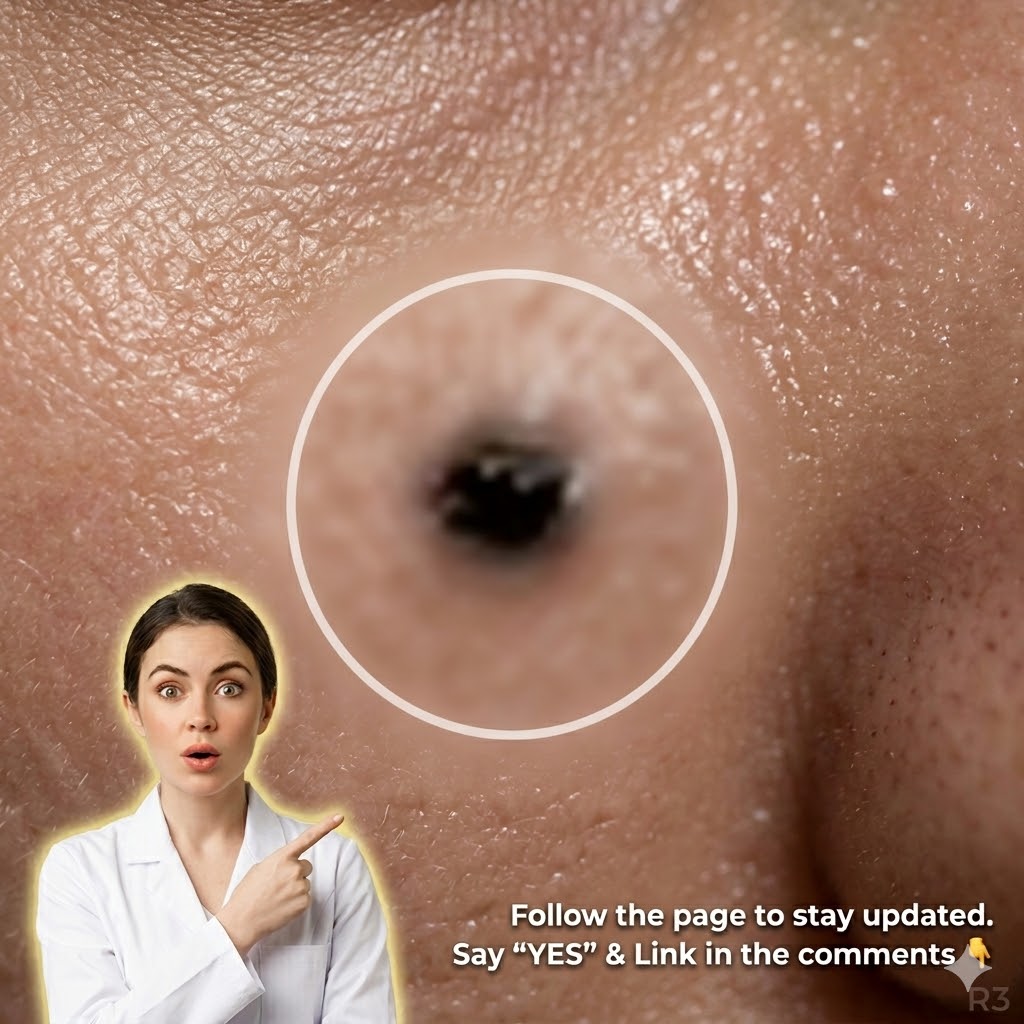
Stubborn acne often develops from a combination of excess sebum production, abnormal follicular keratinization, bacterial activity, and persistent inflammation within the pores. When dead skin cells accumulate and mix with oil, they form compact plugs that are more resistant to natural shedding. This process creates an environment where Cutibacterium acnes can thrive, leading to ongoing breakouts that may not respond to basic skincare alone. In many cases, the skin’s renewal cycle becomes impaired, meaning clogged pores remain trapped beneath the surface for longer periods.
Several internal and external factors can contribute to the persistence of acne. Hormonal fluctuations may increase oil production, particularly during adolescence or periods of stress. Genetics can influence how easily pores become clogged or inflamed. Environmental factors such as humidity, pollution, and occlusive skincare products may further exacerbate congestion. Inconsistent routines or the use of overly harsh products can also disrupt the skin barrier, leading to increased irritation and prolonged breakouts rather than improvement.
Among the most widely used ingredients for treating stubborn acne are retinoids, which are derived from vitamin A and are known to regulate cell turnover. By encouraging the shedding of dead skin cells and preventing them from accumulating within pores, retinoids may help reduce both comedonal acne and inflammatory lesions over time. Ingredients such as adapalene are commonly available over the counter, while stronger retinoids may be prescribed in clinical settings for more persistent cases.
Salicylic acid, a beta hydroxy acid, is another key ingredient that is often recommended for acne-prone skin. Due to its oil-soluble nature, it can penetrate into the pore lining and help dissolve excess sebum and debris. This makes it particularly useful for blackheads and whiteheads. Regular use may support clearer pores, although overuse can lead to dryness or irritation, especially in sensitive skin types.
Benzoyl peroxide is frequently used to target the bacterial component of acne. It works by releasing oxygen within the pores, creating an environment that is less favorable for acne-causing bacteria. This ingredient may help reduce inflammatory lesions and is often included in spot treatments or cleansers. However, it can sometimes cause dryness or irritation, so gradual introduction is typically advised.
Niacinamide, a form of vitamin B3, is valued for its anti-inflammatory properties and its ability to help regulate oil production. It may also support the skin barrier, which is important when using more active treatments like retinoids or exfoliating acids. By reducing redness and improving overall skin balance, niacinamide can complement other acne treatments without being overly aggressive.
In addition to these ingredients, azelaic acid is often used for its ability to address both acne and post-inflammatory hyperpigmentation. It may help normalize keratinization within the follicle and reduce inflammation, making it suitable for individuals dealing with both breakouts and lingering marks. For more resistant acne, dermatological treatments such as oral medications, chemical peels, or laser therapies may be considered under professional supervision.
Managing stubborn acne typically requires consistency and patience, as visible improvements may take several weeks or longer. Combining multiple active ingredients should be done cautiously to avoid irritation, and introducing products gradually can help maintain skin barrier integrity. While many over-the-counter ingredients are effective for mild to moderate acne, persistent or severe cases may benefit from consultation with a qualified dermatologist to develop a tailored treatment plan.