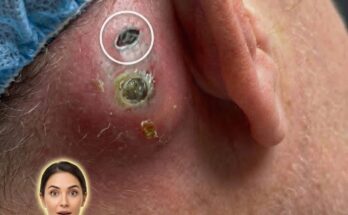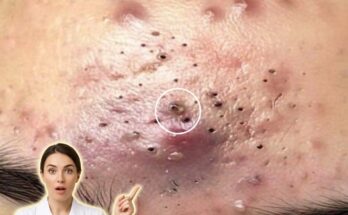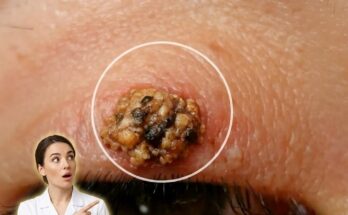
Video 1
Video 2
Video 3
The appearance and persistence of clear pores are closely tied to the biological processes occurring within the pilosebaceous unit, where hair follicles and sebaceous glands interact. Sebum, an oily substance produced by sebaceous glands, plays an essential role in maintaining skin hydration and barrier integrity. However, when sebum production is elevated or when dead skin cells are not shed efficiently through normal desquamation, a mixture of oil and keratin can accumulate within the follicle. This process, known as follicular keratinization, contributes to the formation of microcomedones, which are the earliest stage of clogged pores and can later develop into blackheads or whiteheads.
Over time, maintaining clear pores depends on the balance between sebum production and the skin’s natural exfoliation cycle. Hormonal fluctuations, particularly involving androgens, can increase sebaceous gland activity and lead to oilier skin types that are more prone to congestion. Genetic predisposition also influences pore size, oil output, and the tendency toward comedonal acne. Environmental factors such as humidity, air pollution, and occlusive skincare or cosmetic products may further contribute by trapping debris and oxidized sebum within pores, making them appear larger and more visible.
Skincare habits play a critical role in either supporting or disrupting this balance. Inconsistent cleansing, overly harsh exfoliation, or excessive layering of products can impair the skin barrier and trigger compensatory oil production. At the same time, inadequate removal of sunscreen, makeup, or environmental residue may allow buildup within pores. The goal of long-term pore maintenance is not to eliminate pores, as they are a permanent anatomical feature, but to reduce the likelihood of obstruction and visible congestion.
Evidence-informed approaches to maintaining clear pores often focus on normalizing cell turnover and regulating sebum. Ingredients such as salicylic acid, a lipid-soluble beta hydroxy acid, are commonly used because they can penetrate into the pore lining and help dissolve accumulated debris. Retinoids are widely recommended in dermatology due to their ability to promote cell turnover and reduce the formation of microcomedones over time. Niacinamide may help regulate oil production and support the skin barrier, while benzoyl peroxide is often used when inflammatory acne is present, as it targets acne-causing bacteria.
Consistency is a key factor in achieving and maintaining results. Many of these ingredients require weeks to months of regular use before visible improvements in pore clarity are observed. Professional treatments, including chemical peels or comedone extraction performed by trained practitioners, may complement a topical routine for individuals with persistent congestion. However, overly aggressive treatments can disrupt the skin barrier and potentially worsen long-term outcomes if not carefully managed.
It is also important to recognize that pores do not “open” or “close,” and their appearance can fluctuate based on oil content, hydration, and lighting conditions. Long-term maintenance involves supporting the skin’s natural renewal processes rather than attempting quick or temporary fixes. Individuals with persistent or severe acne may benefit from consultation with a qualified dermatologist, as prescription treatments and tailored guidance can address underlying causes more effectively.
Maintaining clear pores over time is therefore a gradual and multifactorial process that requires alignment between biology, skincare practices, and environmental awareness. While complete prevention of clogged pores may not always be possible, a consistent, balanced approach can significantly reduce their frequency and improve overall skin clarity in a sustainable way