Video 1
Video 2
Video 3
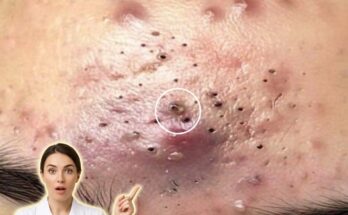
Acne develops through a combination of biological processes that occur within the hair follicle, including increased sebum production, abnormal shedding of skin cells, and the growth of acne-associated bacteria. These factors contribute to clogged pores, forming comedones such as blackheads and whiteheads. Inflammatory acne can follow when the immune system reacts to this buildup. Because these processes are ongoing and influenced by internal and external factors, acne is not a one-time event but a dynamic condition that evolves over time. As a result, consistent skincare is often necessary to continuously regulate these underlying mechanisms rather than attempting to correct them intermittently.
Hormonal fluctuations play a significant role in maintaining acne activity, particularly through their influence on sebaceous glands. Androgens can increase oil production, making pores more prone to congestion. At the same time, factors such as climate, humidity, and exposure to pollutants may contribute to irritation or excess oiliness, further complicating skin balance. Skincare habits also matter; inconsistent routines can disrupt the skin barrier, leading to cycles of over-drying and rebound oil production. Genetics may additionally determine how reactive the skin is to these triggers, which helps explain why some individuals require more persistent management than others.
Consistent skincare helps maintain stability in the skin’s environment by gradually addressing the key contributors to acne. Ingredients such as salicylic acid are commonly used to exfoliate within the pore and reduce buildup, while retinoids may help normalize skin cell turnover and prevent clogged follicles. Benzoyl peroxide is often recommended for its antibacterial properties, and niacinamide may support the skin barrier while reducing inflammation. These ingredients typically require regular use over time to show meaningful effects, as they work by influencing ongoing biological processes rather than delivering immediate results.
Professional treatments may be considered when over-the-counter approaches are insufficient. Dermatologists may recommend prescription-strength retinoids, topical or oral medications, or procedures designed to reduce inflammation and prevent scarring. However, even with medical intervention, consistency remains essential. Irregular use of treatments can limit their effectiveness and may lead to recurring breakouts.
Managing acne requires realistic expectations, as improvement tends to occur gradually over weeks to months rather than days. The skin needs time to adjust to active ingredients, and temporary fluctuations such as mild irritation or purging can occur during the early stages of treatment. Maintaining a steady routine that supports the skin barrier, avoids excessive product layering, and adapts to environmental changes can help improve outcomes. For persistent or severe acne, consulting a qualified dermatology professional is advisable to ensure that treatment is both safe and appropriate for individual skin needs.