Video 1
Video 2
Video 3
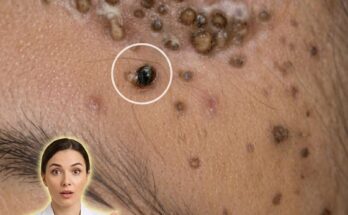
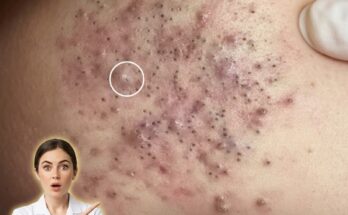
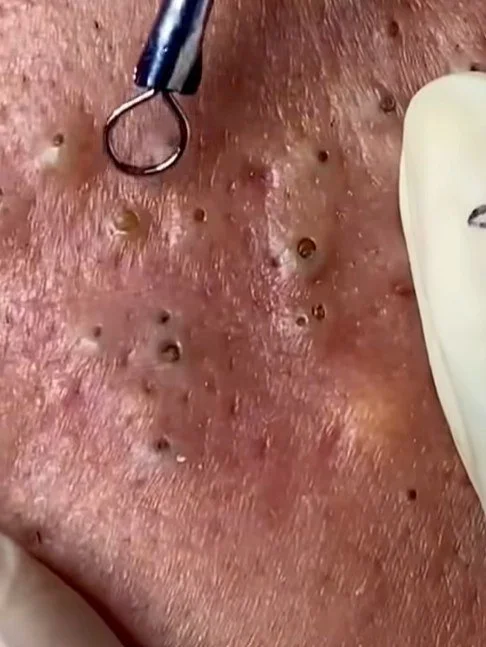
Blackheads, also known as open comedones, form when hair follicles become clogged with a mixture of sebum, dead skin cells, and environmental debris. Unlike whiteheads, the pore remains open, allowing the trapped material to oxidize when exposed to air, which gives blackheads their characteristic dark appearance. The underlying process involves increased sebum production and abnormal shedding of keratinocytes within the follicle, a phenomenon known as follicular keratinization. When this cycle becomes imbalanced, pores are more likely to become congested and visible on the skin surface.
Some individuals are more prone to blackheads due to naturally higher levels of sebum production. Oily skin types tend to produce excess oil that can accumulate inside pores, increasing the likelihood of blockage. Hormonal fluctuations, particularly involving androgens, can further stimulate sebaceous gland activity, which explains why blackheads are more common during adolescence or periods of hormonal change. Genetics also play a role, as pore size, oil production, and skin cell turnover rates can be inherited traits that influence susceptibility to comedonal acne.
Skincare habits can significantly affect the formation of blackheads. Inadequate cleansing may allow oil, sunscreen, and environmental pollutants to build up on the skin, while overly harsh routines can disrupt the skin barrier and trigger compensatory oil production. The use of comedogenic products, including certain heavy creams or occlusive makeup, may also contribute to clogged pores. Additionally, inconsistent exfoliation can allow dead skin cells to accumulate within follicles, increasing the risk of blockage.
Environmental factors such as humidity and pollution can further exacerbate blackhead formation. Humid conditions may increase sweat and oil on the skin, creating an environment where pores are more easily congested. Airborne particles and pollutants can adhere to sebum on the skin, adding to the material that blocks pores. Friction from masks, helmets, or frequent touching of the face can also contribute by pushing debris deeper into follicles.
Management of blackheads typically focuses on regulating oil production, promoting proper exfoliation, and maintaining a healthy skin barrier. Ingredients such as salicylic acid are commonly used because they are oil-soluble and can penetrate into pores to help dissolve excess sebum and debris. Topical retinoids are often recommended to normalize cell turnover and reduce the formation of comedones over time. Niacinamide may help balance oil production and support skin barrier function, while gentle cleansers can remove surface impurities without causing irritation. In more persistent cases, dermatological procedures such as professional extractions or chemical peels may be considered.
It is important to recognize that blackheads are a chronic and recurring aspect of acne-prone skin rather than a condition that can be permanently eliminated. Consistent, gentle skincare routines tend to be more effective than aggressive treatments, which may worsen irritation and lead to further imbalance. Individuals experiencing persistent or severe blackheads may benefit from consulting a qualified dermatology professional to develop a tailored approach based on their skin type and underlying factors.