Video 1
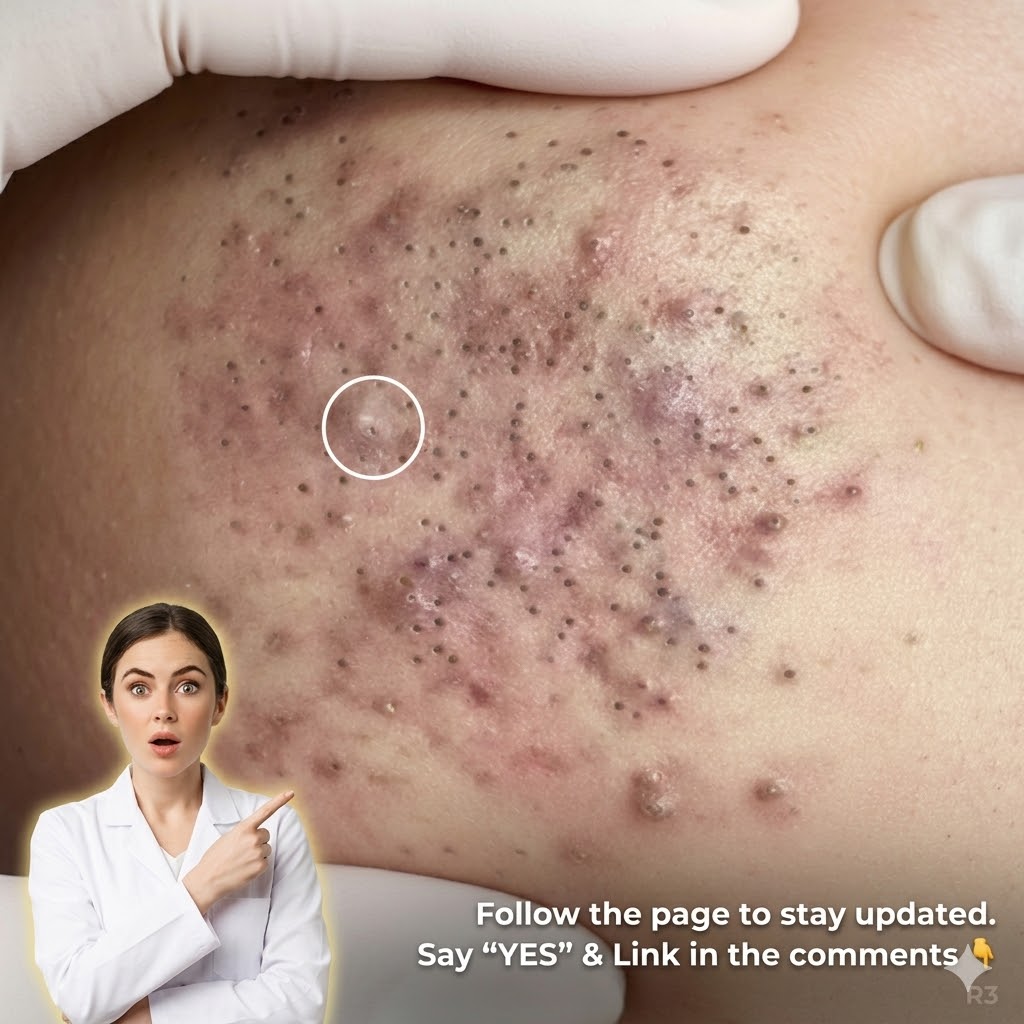
Collagen loss plays a central role in the formation of depressed acne scars by altering the structural integrity of the skin during the healing process. Collagen is a key protein found in the dermis that provides strength, support, and elasticity. When an inflammatory acne lesion develops, particularly deeper forms such as nodules or cysts, it can damage surrounding tissue and disrupt normal collagen architecture. During healing, the body attempts to repair this damage through collagen production. However, if collagen synthesis is insufficient or imbalanced compared to collagen breakdown, the result may be a net loss of structural support, leading to a visible indentation or depressed scar.
This imbalance often occurs due to prolonged inflammation within the pore. Inflammatory mediators released during acne can activate enzymes that degrade collagen, while also impairing the function of fibroblasts, the cells responsible for producing new collagen. Factors such as delayed treatment of acne, repeated picking or squeezing of lesions, and severe or persistent breakouts can prolong inflammation and increase the likelihood of collagen degradation. Hormonal fluctuations, particularly those influencing sebum production and clogged pores, may also contribute indirectly by increasing the frequency and severity of inflammatory acne lesions. Additionally, genetic predisposition can influence how efficiently the skin repairs itself, making some individuals more prone to developing atrophic or depressed scars.
Skincare habits and overall skin barrier health further influence this process. Overly harsh treatments, excessive exfoliation, or improper use of active ingredients such as benzoyl peroxide or salicylic acid may compromise the skin barrier, potentially worsening inflammation and delaying proper healing. On the other hand, consistent use of evidence-based ingredients such as retinoids may help support collagen remodeling over time by promoting cell turnover and stimulating fibroblast activity. Niacinamide is also commonly used to support barrier function and reduce inflammation, which may contribute to a more balanced healing response.
For established depressed scars, treatment approaches often focus on stimulating collagen production and improving skin texture. Topical retinoids may offer gradual improvement, while professional procedures such as microneedling, laser resurfacing, or chemical peels are commonly recommended in dermatology settings to encourage controlled skin repair and collagen synthesis. In some cases, techniques like subcision or dermal fillers may be used to physically elevate depressed areas. The effectiveness of these treatments can vary depending on scar type, depth, and individual skin response.
It is important to maintain realistic expectations, as collagen remodeling is a gradual process and complete reversal of depressed scars may not always be achievable. Early and consistent acne management remains one of the most effective strategies to reduce the risk of scar formation. Individuals experiencing persistent or severe acne or noticeable scarring may benefit from consulting a qualified dermatology professional to develop a personalized treatment plan that supports both acne control and long-term skin health.