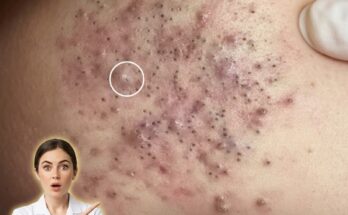
Video 1
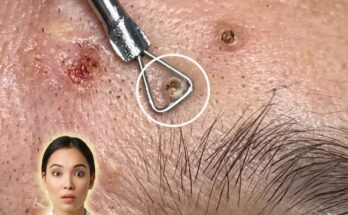
Video 2
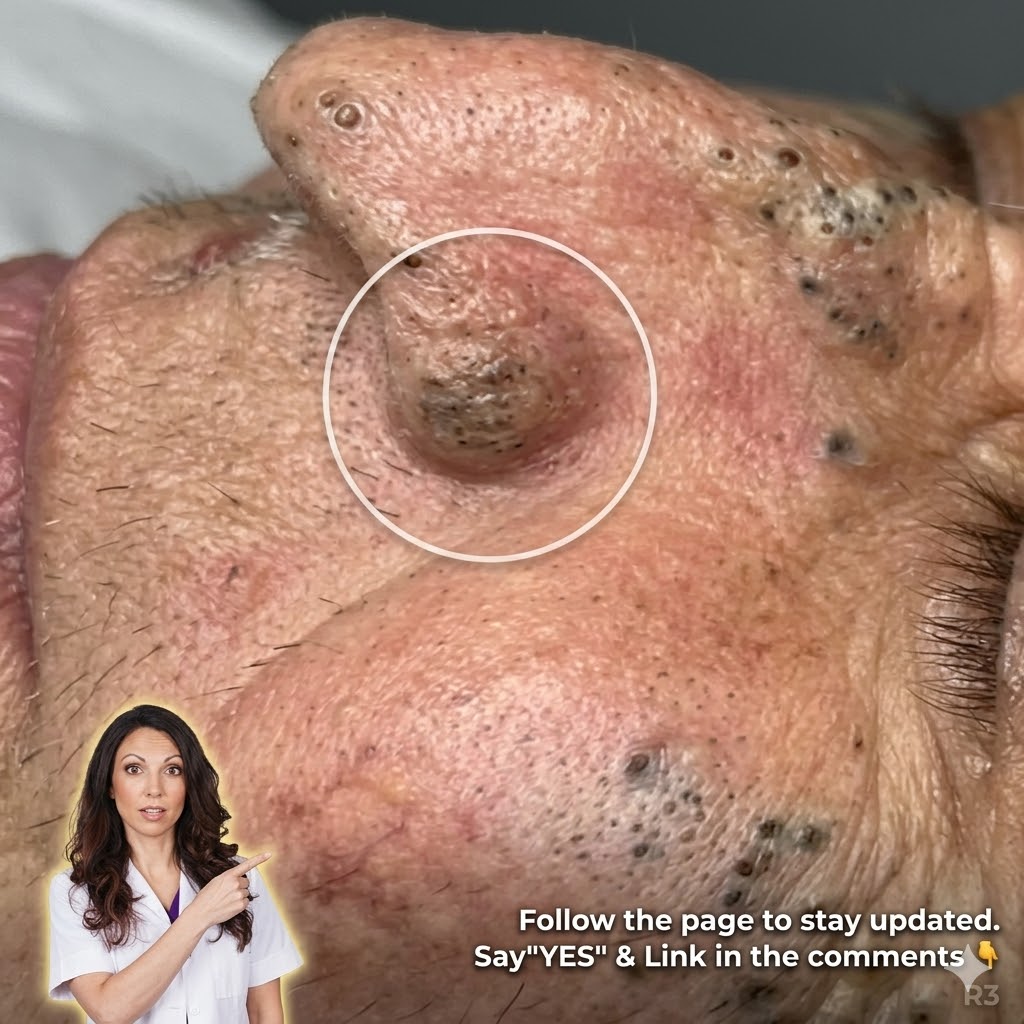
Video 3
Skin repair is a complex biological process that plays a central role in determining whether acne lesions heal cleanly or leave behind lasting scars. When an acne lesion forms, the skin undergoes an inflammatory response triggered by factors such as excess sebum production, follicular keratinization, bacterial activity, and immune signaling. As the lesion resolves, the body initiates wound healing through overlapping phases that include inflammation, tissue formation, and remodeling. During this process, fibroblasts produce collagen and other extracellular matrix components to repair damaged tissue. The balance between collagen breakdown and synthesis is critical, as disruptions in this balance can lead to either tissue loss or excessive buildup, both of which contribute to visible acne scarring.
Inflammation is one of the most influential factors in how the skin repairs itself after acne. Prolonged or intense inflammation can damage surrounding tissue structures, including collagen and elastin fibers, which support the skin’s architecture. When this damage exceeds the skin’s ability to regenerate properly, atrophic scars may form, appearing as depressions or uneven texture. Conversely, when the repair process becomes overactive, excess collagen may accumulate, leading to raised or hypertrophic scars. Individual variation in immune response, as well as genetic predisposition, can influence how strongly the skin reacts to inflammation and how efficiently it repairs itself.
Hormonal fluctuations can further affect skin repair by influencing oil production and the severity of acne lesions. Increased sebum production creates an environment where clogged pores and deeper inflammatory lesions are more likely to develop. These deeper lesions tend to penetrate further into the dermis, increasing the risk of disrupting normal healing processes. In addition, external factors such as ultraviolet exposure, pollution, and mechanical irritation from picking or friction can interfere with proper wound healing, prolong inflammation, and increase the likelihood of scarring.
Skincare habits also play an important role in supporting or impairing skin repair. Overly harsh products, excessive exfoliation, or frequent use of strong active ingredients without proper barrier support can weaken the skin barrier. A compromised barrier may lead to increased transepidermal water loss and heightened sensitivity, which can delay healing and worsen post-acne marks. On the other hand, maintaining a balanced routine that includes gentle cleansing, appropriate moisturization, and targeted treatments can help create an environment where the skin can repair more effectively.
Certain skincare ingredients are commonly used to support the skin’s natural repair mechanisms and reduce the appearance of acne scars over time. Retinoids are often recommended because they promote cell turnover and stimulate collagen production, which may help improve uneven texture. Ingredients such as niacinamide can contribute to reducing inflammation and supporting barrier function, while salicylic acid helps keep pores clear and may prevent new lesions from forming. For active acne, benzoyl peroxide is frequently used to reduce bacterial activity, which can limit the severity of inflammation and indirectly reduce the risk of scarring. Professional treatments, including chemical peels, microneedling, and laser therapies, may also be considered in certain cases to enhance collagen remodeling and improve scar appearance.
It is important to recognize that skin repair and scar improvement occur gradually, often over months rather than weeks. While consistent skincare and appropriate treatments may lead to visible improvements, results can vary depending on the depth of the scar, skin type, and overall skin health. Preventing severe inflammation and avoiding behaviors such as picking lesions are key strategies in minimizing long-term damage. For individuals experiencing persistent or severe acne scarring, consulting a qualified dermatologist is often recommended to explore personalized treatment options and ensure safe, evidence-based care