Video 1
Video 2
Video 3
Video 4
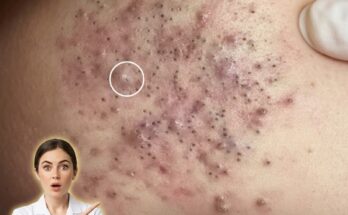
Post-inflammatory hyperpigmentation develops as a downstream response to inflammation within the skin, particularly following acne lesions such as papules, pustules, or deeper nodules. When inflammation occurs, immune cells release signaling molecules that stimulate melanocytes, the pigment-producing cells in the epidermis. These melanocytes increase melanin production as part of the skin’s protective response. In the process, excess melanin can become unevenly distributed or deposited deeper into the skin, especially if the inflammation disrupts the normal structure of the epidermis and dermis. This results in visible darkened areas that persist even after the original acne lesion has healed.
The intensity and duration of post-inflammatory hyperpigmentation are influenced by several biological and environmental factors. Individuals with naturally higher levels of melanin, including those with medium to deeper skin tones, are more prone to developing noticeable pigmentation changes because their melanocytes are more reactive to inflammatory signals. Repeated acne breakouts in the same area can prolong inflammation and increase pigment accumulation over time. Mechanical factors such as picking, squeezing, or friction on active acne lesions can further damage the skin barrier, increasing the likelihood of deeper pigment deposition. Additionally, ultraviolet exposure plays a significant role, as UV radiation can amplify melanocyte activity and darken existing hyperpigmented areas, making them more persistent.
Skincare habits and product choices also contribute to how post-inflammatory hyperpigmentation forms and resolves. Overuse of harsh exfoliants or irritating treatments can worsen inflammation, prolonging the pigment-producing phase. Conversely, maintaining a balanced skincare routine that supports the skin barrier may help reduce the severity of discoloration. Ingredients such as niacinamide are commonly used to help regulate pigment transfer within the skin, while retinoids may support cell turnover, allowing pigmented cells to shed more efficiently over time. Chemical exfoliants like salicylic acid can help keep pores clear and reduce the formation of new acne lesions, indirectly lowering the risk of further hyperpigmentation. In some cases, dermatological treatments such as chemical peels, laser therapy, or prescription-strength topical agents may be considered to address more persistent discoloration.
It is important to understand that post-inflammatory hyperpigmentation is not a scar in the traditional sense, but rather a temporary alteration in skin pigmentation that may gradually fade. However, the timeline for resolution can vary widely depending on the depth of pigment, skin type, and consistency of care. Superficial pigmentation may improve over several weeks to months, while deeper pigmentation can take significantly longer. Preventing new acne breakouts, minimizing inflammation, and protecting the skin from sun exposure are key strategies in managing this condition. For individuals experiencing persistent or severe pigmentation concerns, consultation with a qualified dermatology professional is often recommended to develop a personalized and safe treatment approach.