Video 1
Video 2
Video 3
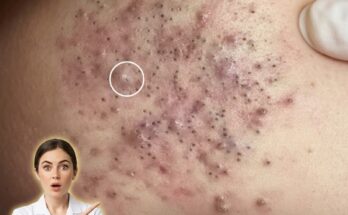
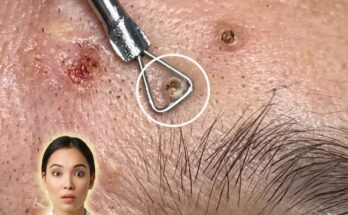
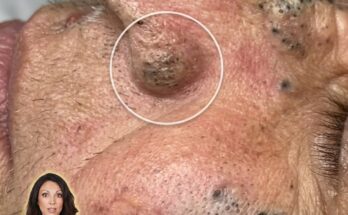
The biological process of acne healing is a complex sequence of events that involves the skin’s immune response, cellular turnover, and tissue repair mechanisms. Acne lesions begin when pores become clogged with excess sebum and dead skin cells, creating an environment where Cutibacterium acnes can proliferate. As the body recognizes this buildup as a potential threat, it triggers an inflammatory response. Immune cells migrate to the affected follicle, releasing signaling molecules that contribute to redness, swelling, and sometimes pus formation. Healing begins once this inflammatory phase starts to resolve, as the body works to clear debris, reduce bacterial presence, and restore normal skin structure.
During the resolution phase, enzymes break down damaged tissue while macrophages remove cellular debris and excess oil from the pore. Keratinocytes, the primary cells in the epidermis, begin to proliferate and migrate to repair the follicular wall and surrounding skin. This process is closely tied to normal skin turnover, where dead skin cells are shed and replaced with new ones. If this renewal process functions efficiently, the pore can return to its normal state without forming long-term marks. However, disruptions in this cycle, such as ongoing inflammation or repeated clogging, may delay healing or contribute to post-inflammatory hyperpigmentation.
Several factors can influence how quickly and effectively acne heals. Hormonal fluctuations, particularly androgens, can increase sebum production and prolong the presence of clogged pores. Skincare habits also play a significant role, as overly harsh cleansing or excessive exfoliation may damage the skin barrier and extend inflammation. Environmental factors such as humidity, pollution, and occlusion from cosmetics or masks can further affect pore function and healing time. Genetic predisposition may also determine how the skin responds to inflammation, including the likelihood of developing persistent marks or scarring.
Evidence-informed treatment approaches often focus on supporting both the clearing of clogged pores and the reduction of inflammation. Ingredients such as salicylic acid are commonly used to penetrate pores and help dissolve excess oil and dead skin cells, which may improve the efficiency of the healing process. Retinoids are frequently recommended for their ability to regulate keratinization and promote consistent cell turnover, reducing the formation of comedones and supporting long-term skin renewal. Benzoyl peroxide may help reduce bacterial load and inflammation, while niacinamide is often included in skincare routines to support the skin barrier and calm irritation. In more persistent or severe cases, dermatological treatments such as topical or oral medications, chemical peels, or light-based therapies may be considered to help manage inflammation and support clearer skin.
It is important to recognize that acne healing is not immediate and can vary depending on the severity of the lesion and individual skin characteristics. Some lesions may resolve within days, while others may take weeks and leave temporary discoloration. Consistency in skincare, gentle handling of the skin, and avoiding picking or squeezing lesions can help support the natural healing process. For individuals experiencing ongoing or severe acne, consulting a qualified dermatology professional is often recommended to develop a personalized and safe treatment approach.