Video 1
Video 2
Video 3
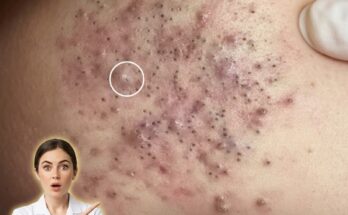
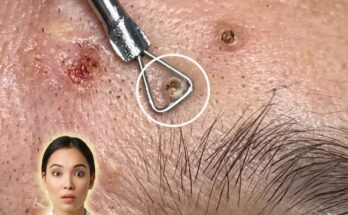
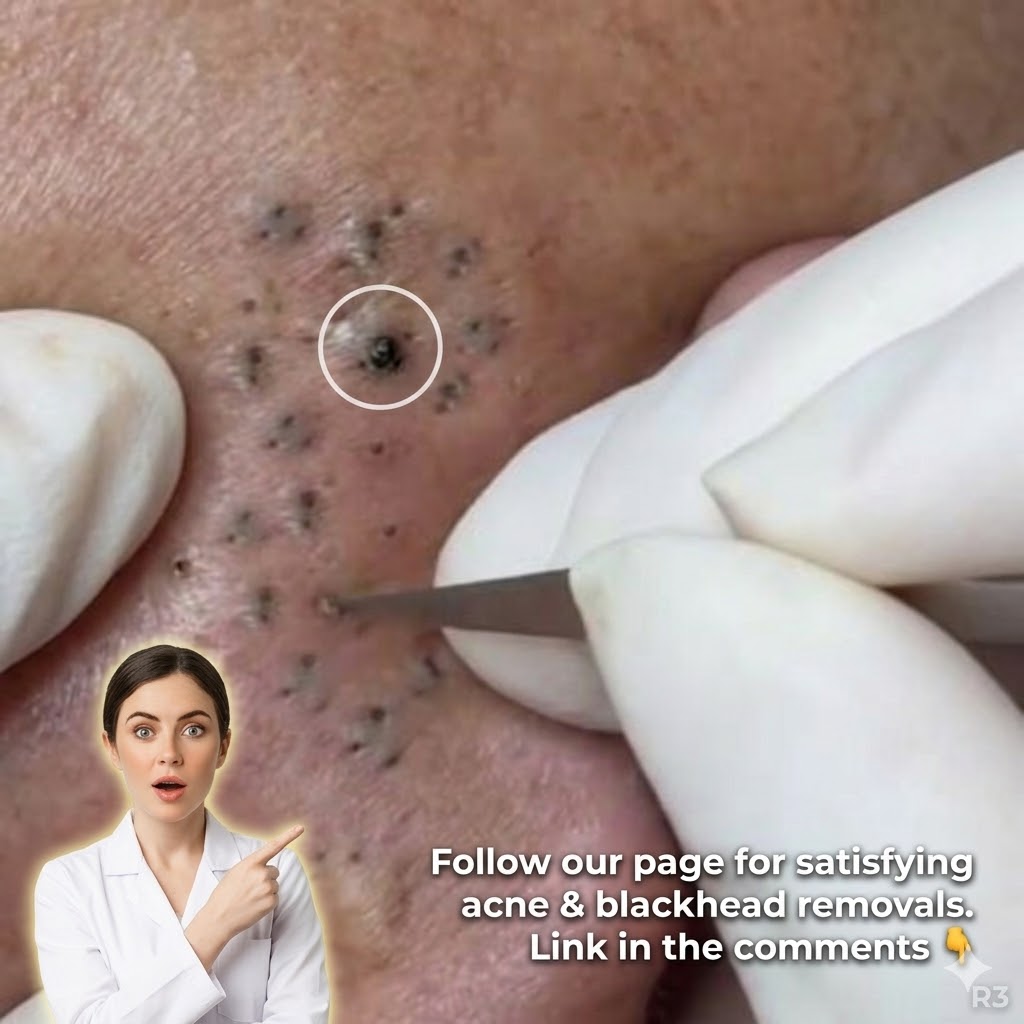
Healthy skin function is maintained through a complex interplay of biological processes that regulate hydration, protection, and renewal. The outermost layer of the skin, known as the stratum corneum, acts as a barrier that limits water loss while defending against environmental irritants, microorganisms, and pollutants. This barrier relies on a structured matrix of lipids, including ceramides, cholesterol, and fatty acids, which help maintain cohesion between skin cells. Beneath this layer, sebaceous glands produce sebum, an oily substance that contributes to lubrication and antimicrobial defense. When these systems operate in balance, the skin is better able to regulate inflammation, support wound healing, and maintain stable pore function, all of which are essential in preventing issues such as clogged pores, blackheads, and acne.
Several internal and external factors can influence how effectively the skin performs these functions. Hormonal fluctuations, particularly increases in androgens, can stimulate excess sebum production, which may combine with dead skin cells and lead to follicular keratinization. This process contributes to the formation of comedones, including blackheads and whiteheads. Environmental stressors such as humidity, pollution, and ultraviolet exposure may further disrupt the skin barrier, increasing oxidative stress and inflammation. Skincare habits also play a significant role. Over-cleansing or using harsh exfoliants can strip essential lipids, weakening the barrier and triggering compensatory oil production. Conversely, inadequate cleansing may allow debris, sebum, and microorganisms to accumulate within pores. Genetic predisposition can also influence how resilient the skin barrier is and how prone an individual may be to inflammatory acne.
Maintaining healthy skin function often involves a combination of supportive skincare practices and evidence-informed ingredient use. Gentle cleansing with non-stripping formulations may help remove excess oil and debris without disrupting the barrier. Ingredients such as niacinamide are commonly used to support barrier repair and regulate sebum production, while salicylic acid, a beta hydroxy acid, can penetrate into pores to help dissolve excess oil and reduce the buildup of dead skin cells. Retinoids are widely recommended for their role in normalizing cell turnover and preventing clogged pores, making them particularly useful in managing comedonal acne. Benzoyl peroxide may help reduce acne-causing bacteria and inflammation, especially in more inflamed lesions. In cases where over-the-counter approaches are insufficient, dermatological treatments such as prescription retinoids, chemical peels, or light-based therapies may be considered under professional guidance.
Long-term skin health requires consistency and a balanced approach rather than aggressive or short-term interventions. Improvements in acne and pore appearance often take several weeks to become noticeable, as the skin’s renewal cycle operates gradually. Overuse of active ingredients can compromise the skin barrier and worsen irritation, which may paradoxically increase breakouts. It is generally recommended to introduce new products slowly and monitor the skin’s response. Individuals experiencing persistent or severe acne should consider consulting a qualified dermatologist to develop a personalized treatment plan. Supporting the skin barrier, managing inflammation, and maintaining consistent care are central to preserving healthy skin function over time, as emphasized in evidence-based skincare education .