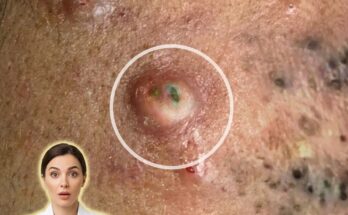
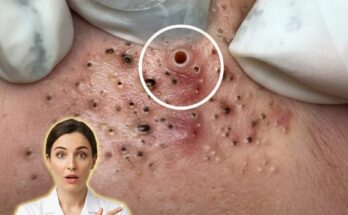
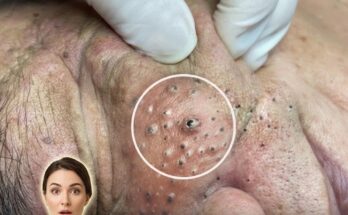
Skin irritation and acne breakouts are closely connected through shared biological pathways involving inflammation, barrier disruption, and changes within the hair follicle. Acne develops when pores become clogged with excess sebum and dead skin cells, a process known as follicular keratinization. When the skin becomes irritated, it can trigger an inflammatory response that increases oil production and alters how skin cells shed inside the pore. This environment may promote the formation of comedones, including blackheads and whiteheads, and can further encourage the growth of acne-associated bacteria, ultimately worsening breakouts.
Irritation often affects the skin barrier, which plays a critical role in maintaining hydration and protecting against external stressors. When this barrier is compromised, the skin may lose moisture more easily and become more reactive. In response, sebaceous glands may produce more oil to compensate for dryness, which can contribute to clogged pores. Additionally, irritation can increase redness and swelling around existing acne lesions, making them appear more severe.
Several common factors may contribute to skin irritation in individuals prone to acne. Overuse of harsh cleansers, frequent exfoliation, or strong active ingredients such as high concentrations of salicylic acid or benzoyl peroxide can disrupt the skin barrier. Physical irritation from scrubs, rough fabrics, or excessive touching of the face may also aggravate the skin. Environmental factors, including heat, humidity, and pollution, can further sensitize the skin and influence oil production. Hormonal fluctuations may amplify these effects by increasing sebum output, making irritated skin more susceptible to breakouts.
Managing the relationship between irritation and acne typically involves restoring balance to the skin while addressing clogged pores and inflammation. Gentle cleansing with non-stripping formulations is often recommended to maintain barrier integrity. Ingredients such as niacinamide may help reduce inflammation and support the skin barrier, while ceramides can aid in repairing and maintaining hydration. For acne treatment, ingredients like salicylic acid may help exfoliate within the pore, and retinoids are commonly used to normalize cell turnover. However, these should be introduced gradually to minimize irritation. In some cases, dermatologists may recommend prescription treatments tailored to the individual’s skin condition and sensitivity.
It is important to recognize that more aggressive treatment does not always lead to better results. Excessive or improper use of active ingredients may worsen irritation and prolong the cycle of breakouts. A balanced approach that prioritizes barrier health alongside targeted acne treatment is generally more effective over time. Individuals with persistent or severe acne, especially when accompanied by significant irritation, may benefit from professional evaluation to develop a personalized and sustainable skincare plan.