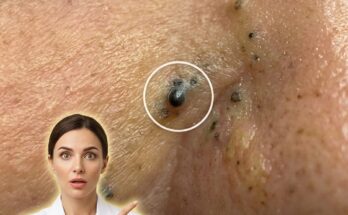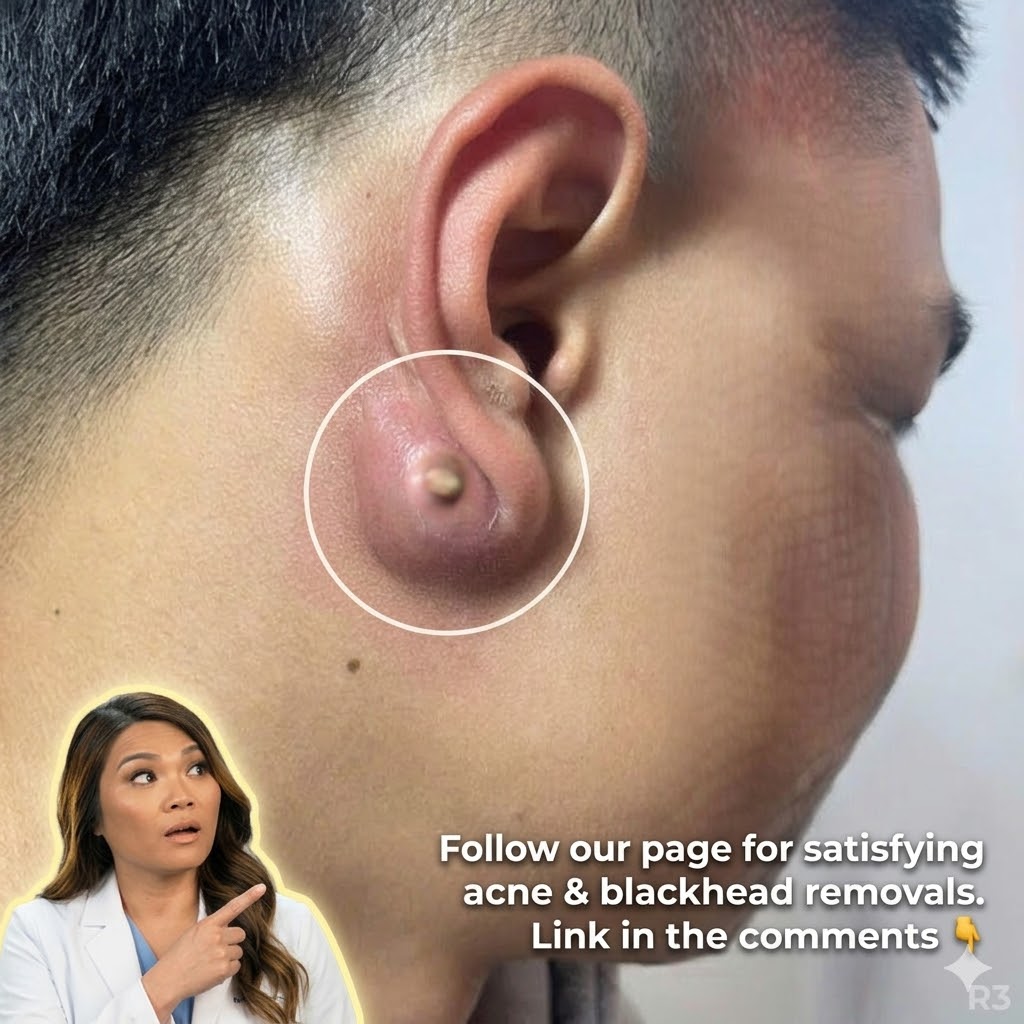
Video 1
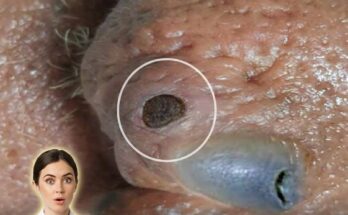
Video 2
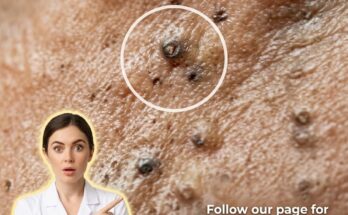
Video 3
Friction and pressure on the skin can influence acne formation by disrupting the normal function of the hair follicle and surrounding skin barrier. Acne begins at the level of the pilosebaceous unit, where excess sebum production and abnormal shedding of skin cells contribute to clogged pores. When repeated mechanical stress is applied to the skin, such as rubbing, tight clothing, or prolonged contact with surfaces, it can increase irritation and promote follicular occlusion. This process may lead to the development of comedones, including blackheads and whiteheads, and in some cases trigger inflammatory acne lesions as the skin responds to ongoing stress.
Mechanical friction can also stimulate the thickening of the outer skin layer, a process known as hyperkeratinization. This can make it more difficult for dead skin cells to shed properly, increasing the likelihood of pore blockage. At the same time, pressure on the skin may trap sweat, oil, and debris against the surface, creating an environment that supports acne development. This is commonly observed in areas exposed to repeated contact, such as the jawline from helmet straps, the cheeks from phone use, or the forehead from tight headwear. In dermatology, this presentation is often referred to as acne mechanica, a form of acne associated with physical irritation rather than purely internal factors.
Several contributing factors can influence how strongly friction and pressure affect acne-prone skin. Individuals with naturally oily skin or increased sebum production may be more susceptible, as excess oil can more easily become trapped within stressed follicles. Environmental conditions such as heat and humidity can worsen the effect by increasing sweating and oiliness. Skincare habits also play a role, as harsh cleansing or over-exfoliation may weaken the skin barrier, making it more vulnerable to irritation from mechanical forces. In addition, the use of occlusive or heavy skincare and cosmetic products in areas exposed to friction may further contribute to clogged pores.
Managing acne influenced by friction and pressure typically involves both reducing mechanical triggers and supporting healthy skin function. Gentle cleansing is often recommended to remove excess oil, sweat, and debris without compromising the skin barrier. Ingredients such as salicylic acid may help by penetrating into the pores and promoting exfoliation, while retinoids are commonly used to normalize skin cell turnover and reduce the formation of comedones. Benzoyl peroxide may be considered in cases where inflammation or bacterial involvement is present, and niacinamide can support barrier function while helping to reduce redness and oil production.
In addition to topical treatments, minimizing sources of friction can be an important preventive step. This may include adjusting tight clothing or accessories, choosing breathable fabrics, and maintaining good hygiene for items that come into frequent contact with the skin, such as phone screens or sports equipment. For individuals experiencing persistent or severe acne in areas of repeated pressure, consultation with a qualified dermatologist may help guide more targeted treatment options, including prescription therapies.
It is important to recognize that while friction and pressure can contribute to acne formation, they are typically one part of a broader set of factors that influence skin health. Results from treatment may take time, as the skin undergoes gradual renewal cycles, and consistency in both skincare and lifestyle adjustments is often necessary. A balanced, evidence-based approach that supports the skin barrier while addressing underlying causes of clogged pores can help improve overall outcomes in acne management.